When shoppers Want cooler performance without paying premium prices, the best options combine solid insulation, versatile design, and practical features. This guide highlights five cold-storage contenders that compete with YETI on features while offering lower price points. Each pick targets a specific buyer—campers, beachgoers, tailgaters, or daily lunch needs—so you can choose the best fit for your situation. Below is a quick comparison to help you decide at a glance.
| Product | Best For |
|---|---|
| RTIC Ultra-Light 52 Quart Hard Cooler | Long trips, weight-conscious travelers |
| VEVOR Ultra-Light 52 QT Hard Cooler | Everyday use, value seekers |
| YETI Daytrip 6L Insulated Soft Cooler Lunch Bag | Lunch-on-the-go, compact portability |
| YETI Hopper M30 Portable Soft Cooler | Outdoor adventures, premium soft cooler |
| YETI Tundra 45 Cooler | Versatile camping and trips requiring size |
RTIC Ultra-Light 52 Quart Hard Cooler
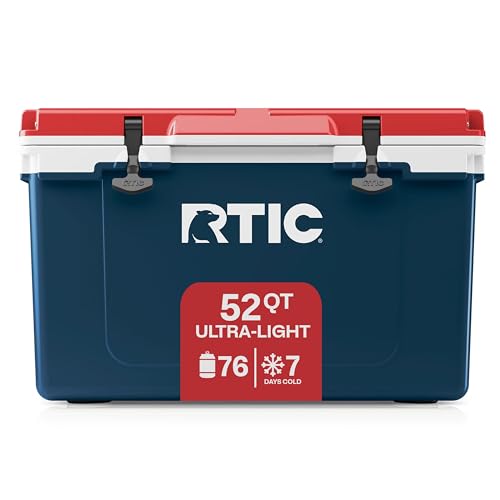
The RTIC Ultra-Light 52 Quart Hard Cooler is designed for users who want big capacity without added weight. It claims 30% lighter than traditional rotomolded coolers, helping reduce fatigue during transport. The exterior provides ample space for large blocks of ice and food, while the interior accommodates up to 76 cans without ice or 51 pounds of ice. Best for weekend trips, fishing, or beach days where weight and volume matter. A potential limitation is that lighter materials can feel less rugged in rough handling.
VEVOR Ultra-Light Hard Cooler 52 QT

The VEVOR Ultra-Light 52 QT combines a lightweight build with long ice retention. It weighs about 20.5 pounds and uses 2.5 inches of closed-cell foam insulation plus a silicone seal to keep contents cool for days. It stores roughly 45-50 cans, making it a solid choice for picnics, barbecues, or camping. Best for those who want a large-capacity cooler that’s easy to carry. A potential trade-off is that it may not have some premium add-ons found on higher-priced brands.
YETI Daytrip 6L Insulated Soft Cooler Lunch Bag

The YETI Daytrip 6L is an insulated soft lunch bag designed for daily meals. ColdCell Flex Insulation keeps meals at the right temperature for extended periods, and a Magnetic Snap Closure helps maintain a cold environment between openings. Best for commuters, students, or anyone who needs a compact lunch cooler with reliable insulation. A limitation is the smaller capacity, making it less suitable for longer trips or larger groups.
YETI Hopper M30 Portable Soft Cooler

The YETI Hopper M30 is a compact soft cooler with MagShield Access that uses powerful magnets to keep the lid open and a seal closed with a touch. It features ColdCell insulation for strong cold-holding performance. Best for day trips, picnics, or short outings where a soft cooler is preferred. A caution is that capacity is modest compared to larger hard coolers, limiting how much you can carry for longer events.
YETI Tundra 45 Cooler
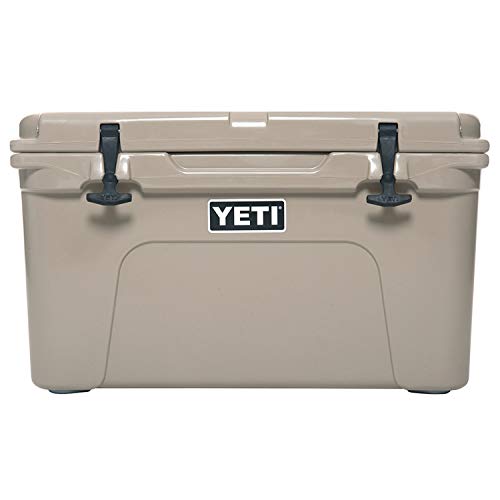
The YETI Tundra 45 offers robust rotomolded construction, a 26-can capacity with a 2:1 ice-to-contents ratio, and FatWall insulation for strong cold retention. It is a versatile choice for campers and tailgaters who prioritize durability and capacity. A potential caveat is its price and weight, which are higher than many non-YETI alternatives.
Buying Guide: Key Purchase Considerations
- Insulation Quality: Look for high-density foam or rotomolded walls for longer ice retention and consistent temperatures. ColdCell or similar insulation helps keep contents cold for extended periods.
- Weight and Portability: If you’ll carry the cooler by yourself, lighter models (like the RTIC Ultra-Light and VEVOR) reduce fatigue on long trips. Consider wheels or shoulder straps for heavier loads.
- Capacity and Size: Match capacity to your typical use—day trips benefit from 20–40 quart options, while weekend trips may require 52 quart or larger. Don’t overestimate space if you don’t need it.
- Durability and Materials: Hard coolers with rotomolded construction are rugged but heavier. Soft coolers are lighter and more portable, but may offer less ice retention in extreme heat.
- Seals and Closures: Reliable seals and closures prevent leaks and help preserve cold temperatures. Magnetic lids and rugged latches can add convenience for quick access.
- Accessory Compatibility: Some models include integrated carrying handles, shoulder straps, or drainage plugs. Consider whether you need these features for your activities.
Pricing and Value Considerations
While price is a major factor, value depends on your use case. For long trips or frequent outdoor use, a lighter weight option with strong insulation can save effort and keep foods safe longer. For casual daily use, compact soft coolers can provide adequate temperature control at a lower upfront cost. The products above offer different blends of capacity, durability, and portability to fit various budgets.
Frequently Asked Questions
- Are cheaper coolers as effective as YETI?
Cheaper models can offer comparable insulation and features, but may sacrifice ruggedness and long-term durability. Assess insulation type, capacity, and weight to determine true value.
- What should I look for in a long-lasting cooler?
Focus on insulation thickness, type of foam, and the quality of seals and latches. Rotomolded construction usually offers higher durability.
- Is a soft cooler suitable for ice retention?
Soft coolers are lighter and portable but typically retain ice for shorter periods. They’re best for day trips with a shorter cooling window.
- Which cooler is best for camping?
For camping, larger hard coolers with robust insulation (like 52-quart models) typically provide better ice longevity and payload for multi-day trips.
- Do insulated bags need special ice packs?
Yes. Using ice packs or block ice can help maintain even temperatures and reduce total melt water, extending cooling time.
Choosing the right cooler involves balancing capacity, durability, and how you plan to use it. The options listed here provide solid alternatives that can outperform premium YETI features at a lower price point for many buyers.