Answering the core buyer intent: these eva foam sleeping pads provide lightweight, affordable comfort for camping, car trips, picnics, and backpacking. They’re best for budget-conscious campers who want simple, durable insulation and portability. The top picks below cover a range from ultralight to thicker, more cushioned options, highlighting who each pad is best for and why it was selected.
| Product | Best For | Key Benefit |
|---|---|---|
| Wakeman Foam Sleeping Pad 0.5-Inch (Black) | Backpackers and minimalists | Very light and portable with non-slip, waterproof surface |
| Stansport Pack Lite Sleeping Pad | Budget hikers and campers | Closed-cell, waterproof, roll-up design |
| Zzuvjoy Memory Sleeping Pad | Family car camping and comfort-seekers | Memory foam core with self-inflating capability |
| Wakeman 1.25-Inch-Thick Foam Pad (Blue) | Side sleepers and colder nights | Thicker foam for extra warmth and cushioning |
| Abahub Ultralight Foam Sleeping Pad | Ultralight backpackers | Featherweight, foldable, good insulation |
Wakeman Foam Sleeping Pad 0.5-Inch

Best for ultralight trips, this 72-inch pad uses a 1-inch premium foam for comfort while keeping weight down. The pad weighs about 0.6 pounds and rolls to a compact 7 inches, making it ideal for minimalist backpacking or ground use on cots. A non-slip texture helps it stay in place on slick surfaces, and a waterproof surface adds weather protection.
Who it’s best for: travelers who prioritize portability and simple, reliable padding without inflating or assembling gear. Use this when weight and size matter more than thick cushioning. Caution: not a full-length luxury pad; at 0.5 inches, it won’t provide as much cushioning on rough ground or for side sleepers seeking extra loft.
Stansport Pack Lite Sleeping Pad
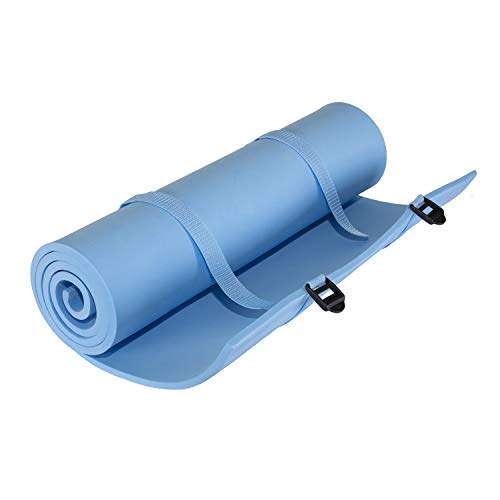
Stansport offers a lightweight closed-cell foam option that measures 72 by 19 by 3/8 inches. Its closed-cell construction provides reliable insulation and durability, helping to keep cold and dampness away from the body. The roll-up design and included straps support easy transport.
Who it’s best for: hikers and campers who want a rugged, no-fuss pad at a low weight and a compact roll-up. Caution: closed-cell foam is less plush than memory foam or traditional air pads, so it may feel firmer and less contouring for pressure relief.
Zzuvjoy Memory Sleeping Pad

This pad combines a memory foam core with a self-inflating design and a rear air valve system for speed and ease. It features 19D high-density foam for support and a pressure-relieving surface. The adjustable firmness lets users tailor softness or support, making it versatile for car camping and family trips.
Who it’s best for: campers who want a home-like sleep feel with the convenience of a self-inflating mechanism. Caution: can be heavier and more desktop-sized than ultra-light options, so consider packing space and weight for backpacking.
Wakeman Foam Sleeping Pad 1.25-Inch Thick (Black)
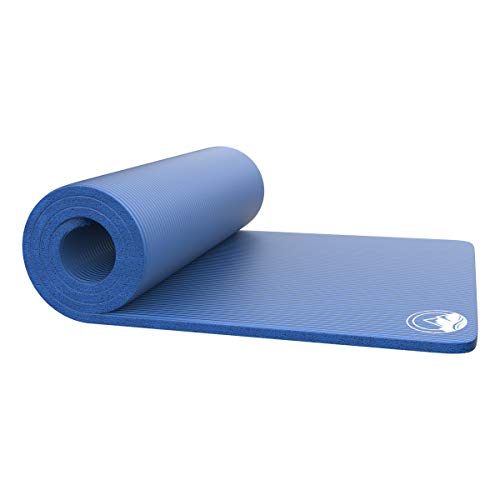
This thicker 1.25-inch pad delivers enhanced comfort and insulation. At 72 inches long, it fits on extra-wide cots and supports a range of body types. Weighing about 5 pounds and rolled to 11 inches, it balances cushioning with portability. A non-slip surface helps prevent shifting on uneven ground.
Who it’s best for: campers needing extra warmth and premium cushioning for extended sleep duration. Caution: higher weight compared with ultralight options may affect backpack packing efficiency.
Abahub Foam Camping Sleeping Pad
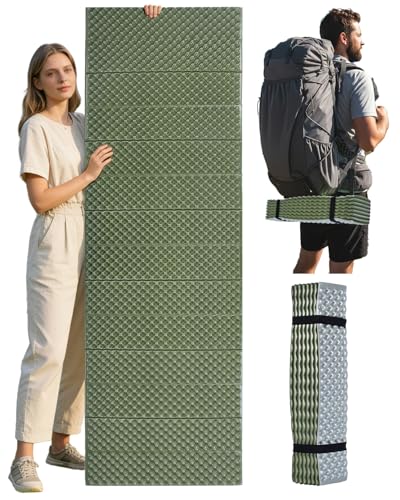
Abahub offers an ultralight, foldable foam pad with IXPE foam and a heat-reflective film for steady warmth. Folded size is compact, with unfolded dimensions around 72.8 by 22 inches. The pad is designed for hikers who want portability without sacrificing insulation, and it’s described as foldable for easy packing.
Who it’s best for: ultralight backpackers who need a foldable option that still provides reliable insulation. Caution: foldable pads may take a moment longer to set up than non-folding designs, and some users may notice a slight seam where panels meet when lying down.
Buying Guide
What should you consider when choosing eva foam sleeping pads?
- Thickness and comfort: Thicker pads offer more cushioning and warmth but add weight. Consider your sleeping style (back, side, stomach) and typical ground conditions.
- Insulation level: EVA foam provides basic insulation. If you camp in cold conditions, look for pads with higher insulation ratings or dual-layer construction.
- Weight and packability: Ultralight options are ideal for long backpacking trips. Heavier pads may be better for car camping where weight is less critical.
- Durability and surfaces: A non-slip surface helps prevent slipping on slick ground. Waterproof surfaces protect against ground moisture and cold.
- Setup and portability: Self-inflating or foldable designs can offer easier setup and faster inflation, especially when preparing a sleeping area quickly.
- Size and fit: Ensure the pad length matches your height and fits within your tent or cot width. Consider width if you sleep on your side with limited space.
Practical comparison questions
- Which pad is best for ultra-light backpacking? The Wakeman 0.5-Inch and Abahub ultralight options are designed for minimal weight and quick packing.
- Which pad offers the most warmth? The 1.25-inch Wakeman pad and the Abahub IXPE-based option provide higher insulation than thinner pads.
- Do self-inflating pads save setup time? Yes, the Zzuvjoy model uses a foot pump and memory foam for adaptive comfort.
Frequently Asked Questions
- How thick should a sleeping pad be for camping? For general use, 0.5–1.25 inches is common. Thicker pads offer more cushioning and warmth but are heavier.
- Are foam sleeping pads waterproof? Many EVA foam pads have a waterproof or water-resistant surface to prevent damp ground contact.
- Do foam pads compress well? Closed-cell and certain foldable designs compress reasonably but not as small as some air pads.
- Can I use these on a cot? Yes, several pads (like the 0.5-inch Wakeman and 1.25-inch Wakeman) are sized to fit standard cots.
- Which pad is easiest to set up? Self-inflating pads, like the Zzuvjoy model, typically offer the fastest setup with minimal adjustments.
- Are these pads suitable for families? Pads like Zzuvjoy provide a balance of comfort and ease of use, useful for car camping and family trips.