Looking for a foam sleeping mat that provides reliable comfort while camping? This guide highlights five top foam options that balance support, portability, and durability for different types of campers. The best picks vary from car campers needing extra padding to backpackers seeking ultra-light gear. Below is a quick summary table to help you compare at a glance.
| Product | Best For | Why It Stands Out |
|---|---|---|
| Couples and car campers | High-density memory foam with OEKO-TEX certification and a non-slip waterproof bottom | |
| Value seekers and guests | Extra-wide fit on cots, durable non-slip texture, waterproof surface | |
| General camping and sleepovers | Balanced thickness and portability with non-slip surface | |
| Real mattress feel on the go | Pressure-relieving layers with durable waterproof cover | |
| Backpacking and solo campers | 4-inch thickness, built-in pillow, quick inflate/deflate |
CYMULA Memory Foam Camping Mattress Pad
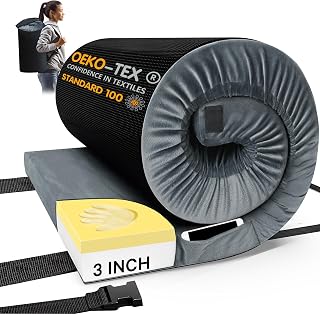
The CYMULA foam camping mattress uses high-density memory foam that adapts to body shape and weight. It delivers full support and shock absorption, offering a sleep experience closer to a real bed than many sleeping pads. This makes it a strong choice for campers who prioritize comfort on longer trips or sleepovers in tents or cabins.
Best for: Car campers and couples who want a cozy, stable night’s sleep. Why selected: It combines memory foam comfort with safety features like OEKO-TEX certification and a fiberglass-free flame-retardant layer, reducing skin irritation risks and environmental impact.
Limitations: The pad is a heavier, bulkier option compared with ultra-light models, which may affect packing efficiency for long treks. The weight and roll size are best suited for vehicle transport or car camping.
Highlights in brief:
– High-density memory foam for contour and support
– OEKO-TEX certified materials
– Non-slip waterproof bottom for varied terrains
Foam Sleeping Pad for Camping – Wakeman Outdoors

The Wakeman 0.75-inch foam pad prioritizes comfort with a cushy foam layer and a non-slip texture. Its 72-inch length fits most adults on cots, making it suitable for guests or solo campers who want a stable surface on a budget. The waterproof surface helps insulate against damp ground.
Best for: Value-conscious campers and guest sleepovers. Why selected: It offers solid comfort at a lower thickness, plus a carry strap and waterproof surface for easy transport and use on varied terrain.
Limitations: The thickness is moderate; taller sleepers may prefer thicker pads for enhanced pressure relief. It is not the lightest option for hikers with strict weight limits.
Key points:
– 72 inches long; 0.75-inch thick
– Non-slip, waterproof surface
– Lightweight and easy to carry
Wakeman Foam Sleeping Pad (Standard 1-Inch)

This Wakeman option emphasizes classic foam comfort with a 1-inch-thick profile and breathable, non-slip surfacing. Its 72-inch length helps accommodate most adults and older children, especially on wider cots. The waterproof finish adds warmth and protection against ground moisture.
Best for: General camping and sleepovers where a reliable, affordable pad is needed. Why selected: It balances thickness, portability, and price while retaining a non-slip, waterproof surface for stability and warmth.
Limitations: While comfortable, it may lack some of the advanced features found in premium pads, such as built-in pumps or air layers. Still, it performs well for basic camping use.
Notes:
– 72 inches long; 1-inch thick
– Non-slip texture; waterproof surface
Hazli Matrix AirCell Memory Foam Camping Mattress Pad

The Hazli Matrix blends a memory foam core with a pressure-relieving comfort layer for a mattress-like feel. It is designed for real-life use in campsites, guest rooms, and cars, featuring a waterproof cover that protects against spills and mud. This pad aims to reduce soreness from long nights on hard surfaces.
Best for: Campers seeking a near-mattress experience without a built-in pump. Why selected: It delivers durable support and a waterproof shell, reducing the risk of moisture-related discomfort and extending use across different settings.
Limitation: As with many memory-foam-based pads, weight and bulk can be higher than air-only options, affecting transport for hikers or travelers with tight packing constraints.
Pros:
– Real mattress-like feel
– Waterproof cover for durability
– No pump required
Pretyw Ultralight Camping Sleeping Pad with Pillow

The Pretyw pad emphasizes ultralight design with a 4-inch thickness for comfort and built-in pillow support. It inflates quickly and deflates even faster, thanks to an integrated pump system. Its compact fold and light weight make it ideal for backpackers and travelers who need quick setup and easy packing.
Best for: Backpackers and solo travelers who need a thick, quick-to-set-up mat. Why selected: The 30–60 second inflation time and built-in pillow streamline sleep setup, while the 79×27.5 inch footprint provides ample space for most sleeping positions.
Caution: The built-in pump is reliable, but if it fails, you may need an alternate inflation method. The pad’s thickness may feel firmer for those who prefer ultra-soft sleep surfaces.
Highlights:
– 4-inch thick with integrated pillow
– Quick 30–60 second inflation
– Ultra-light and compact
Buying Guide: How To Choose The Right Foam Sleeping Mat
- Intended use: Car camping generally tolerates heavier, more comfortable foam mats, while backpacking favors lighter, more compact options.
- Thickness: Higher thickness (1 inch and up) adds comfort but increases weight and size. Lower thickness saves space but may reduce pressure relief.
- Surface and bottom: Waterproof surfaces help with damp ground and dew. A non-slip texture reduces shifting during sleep.
- Durability and materials: Look for high-density foam and certifications like OEKO-TEX for safer materials. Consider damage resistance in rocky campsites.
- Portability: Car campers may prioritize roll-up compatibility and included carrying bags. Backpackers benefit from integrated pumps and ultra-light designs.
- Convenience features: Built-in pillows, quick-inflate systems, and carry straps can influence setup time and overall comfort.
FAQ for Foam Sleeping Mats
- What thickness is best for camping foam mats?
Most campers prefer 0.75 to 1 inch for general use. For added comfort on rough ground, 1 inch or more is beneficial, especially when weight is not a major constraint.
- Are foam sleeping mats durable on uneven terrain?
Yes, many high-density foam pads tolerate rocky or uneven ground, but a non-slip bottom helps prevent movement and increases stability.
- Do memory foam camping mats require special care?
Follow manufacturer care instructions. Avoid prolonged exposure to direct heat and store rolled in a dry bag to prevent moisture buildup.
- Can foam pads replace an air mattress?
Foam pads provide more consistent support but are generally heavier and less adjustable than air options. They’re best when you want stable padding without pumps.
- Which pad is best for quick setup?
Pads with built-in pumps or easy roll-up mechanisms like the Pretyw Ultralight model offer the fastest setup and takedown.