When shopping for four-season backpacking tents, look for reliable weather resistance, sturdy setup, and practical space for your needs. This guide highlights top options suited for solo travelers, couples, and small families who trek in varied conditions. Each pick addresses different camping styles, from ultralight hikes to car-camping versatility, helping you choose the right tent for your climate and plans.
| Product | Best For | Why It Stands Out |
|---|---|---|
| Clostnature Lightweight 4-Person | Family hikers | Spacious 4-person layout with dual vestibules and strong waterproofing |
| Forceatt 2-Person 4-Season | Couples, weekend adventurers | Two doors and two vestibules with solid windproofing |
| Underwood Aggregator 1-Person 4-Season | Solo winter campers | All-season versatility with snow skirt and compact size |
| Underwood Aggregator 2-Person 4-Season | Two-person trips | Compact two-person design with robust weather features |
| camppal 1 Person 4-Season | Lightweight solo hikers | Low weight with windproof and waterproof features |
Clostnature Lightweight 4-Person Tent

The Clostnature 4-Person Backpacking Tent is designed for family-style camping with a roomy floor plan of 7’3″ x 7’8″ and a center height around 4’7″. It features dual large vestibules for gear or pets and weighs approximately 7.38 lb in total (or 6.54 lb minimal trail weight with fly, inner tent, and poles). This makes it a practical option for family hikes, scout trips, or camping with a dog. It uses a PU 5000-coated rainfly and bathtub floor to improve weather resistance, with factory-sealed seams to keep occupants dry in varied conditions. Setup is simplified by freestanding design and lightweight aluminum poles.
Best for: families or small groups who need extra space and straightforward setup. Choose this if you value side vestibules for gear storage and a stable structure for mixed weather.
Caution: The larger interior footprint may be less ideal for ultralight backcountry trips where every ounce matters.
Forceatt Two-Person 4-Season Tent

This tent targets hikers seeking efficiency with two doors and two vestibules, accommodating two people in a compact footprint (interior floor ~88.6 x 53.1 inches; height ~43.3 inches). It claims waterproofing up to 3000 mm and features a full-coverage rainfly, welded floor, and reliable #8 zippers. The setup is described as quick, aided by 7001 aluminum poles and reflective guy lines for wind resistance. It is an excellent match for couples or friends who prioritize easy access, solid wind protection, and dependable rain protection.
Best for: couples or trekking buddies who want convenient entry/exit and extra storage space. Consider this if you value rapid setup and weather shielding in shoulder seasons.
Caution: The interior height is modest, which may feel cramped for taller campers during extended stays.
Underwood Aggregator 1-Person 4-Season Tent
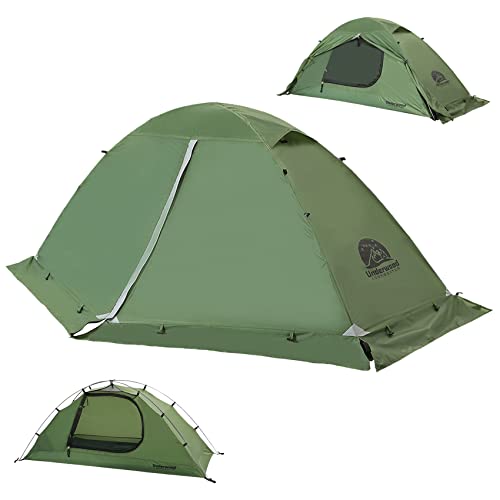
This 1-person tent is pitched as a four-season shelter with a snow skirt for winter use, a rollable design for easy packing, and a two-way zipper for versatile entry. The interior includes a light hook and mesh pocket, with reinforced corners designed to withstand high winds. Weighing around 4.4 pounds and featuring a freestanding structure, it suits solo hikers who require compact gear that still performs in cold weather. The design prioritizes privacy, ventilation, and robust weather resistance.
Best for: solo travelers who camp in varied weather and want a lighter, compact shelter with winter-ready features. Choose this if you value private space and wind resistance in cold conditions.
Caution: While compact, the 1-person footprint may feel tight for larger sleeping systems or extra gear.
Underwood Aggregator 2-Person 4-Season Tent

This two-person tent expands the 4-season capability with a similar winter-ready approach and a larger interior. It lists a 59.1″ x 86.6″ floor for comfortable sleeping space, a 45.3″ center height, and a compact packed size. The design emphasizes a freestanding frame with aluminum poles and durable fabrics to withstand wind and moisture. The tent’s dual doors and vestibules support easy access and gear storage for two campers.
Best for: two-person trips where mobility and all-season protection are priorities. Choose this if you want extra space without sacrificing winter performance.
Caution: The heavier weight compared with solo tents means more carry effort for backcountry missions.
camppal 1 Person 4-Season Tent

The camppal 1 Person tent emphasizes windproof and waterproof performance with a lightweight build (about 3.75 lb) and a straightforward setup using a single ridge pole. It offers a longer interior length (8.2 ft) to accommodate taller sleepers and extra belongings. The waterproofing rating and seam taping contribute to protection against rain, while durable poles and rip-stop fabric improve resilience against wind and abrasion.
Best for: solo hikers who prioritize a low-weight, all-season shelter with reliable rain and wind protection. Choose this if you want a longer interior for extra gear or clothing storage.
Caution: The single-person footprint means you must optimize gear layout to avoid crowding inside the tent.
Buying Guide: Four-Season Tent Essentials
Key questions to help you pick the right four-season tent:
- What climate will you encounter most often? Prioritize tents with snow skirts and robust waterproof coatings for winter use, and consider tents with two doors for easy access in windy conditions.
- How many campers will typically use the tent? Choose space that comfortably fits your sleeping pads and gear without feeling cramped.
- How important is setup speed? Freestanding, aluminum-pole tents typically offer quick, tool-free pitching in diverse terrains.
- What is your weight tolerance? Solo hikers may favor 3–4 pound ultralight models, while couples or families might accept heavier yet more spacious designs.
- Is ventilation a priority? Look for mesh inner tents, multiple vents, and dual-layer designs to balance airflow with weather sealing.
All-Season vs. Seasonal Features
All-season tents often feature waterproof coatings (e.g., PU coatings), sturdy poles, vestibules, and weather-sealed seams. Seasonal tents may omit extra features to save weight but still provide necessary weather protection. Match the tent to your typical weather windows and planned activities, such as mountaineering trips, winter camping, or late-fall expeditions.
Materials and Construction
Common durable materials include polyesters or nylons with PU coatings. Freestanding frames with aluminum poles tend to be versatile across terrains, while lighter fabrics save weight but may trade durability. Pay attention to seam sealing, floor protection, and vestibule size to maximize usability in cold or wet conditions.
Sizing and Layout Considerations
Four-season tents come in 1-, 2-, and 4-person configurations. For family trips, 4-person tents provide space for sleeping pads and gear. For solo adventures, a 1-person tent reduces weight while maintaining warmth and protection. Consider headroom and floor dimensions to ensure your sleeping setup fits comfortably.
Maintenance and Longevity
Inspect seams after first use and during repeated storage. Dry tents completely before packing to minimize mold and mildew. Store in a breathable bag and protect from sharp objects or prolonged sun exposure to extend fabric life.
FAQ
- What defines a four-season tent? Tents designed to withstand all-year conditions, including snow and high winds, typically featuring robust waterproofing, snow skirts, durable poles, and well-sealed seams.
- Are there lightweight four-season tents? Yes, some models balance weight and protection, often using lightweight fabrics and compact pole systems, making them suitable for solo hikers.
- Is a vestibule important for all-weather tents? Vestibules provide extra gear storage and entry space, beneficial in wet or cold conditions to keep the sleeping area dry.
- How do I choose between 1-, 2-, and 4-person tents? Consider your sleeping gear, gear clutter, and whether you want spare room for warmth layers or packs inside the tent.
- What maintenance helps extend a tent’s life? Regular seam checks, proper drying before storage, and using a ground tarp or footprint protect the floor from abrasion.