Answer: For campers, portability, reliability, and fuel flexibility matter most. The top picks below span dual-fuel options, compact 2-burner setups, high-efficiency single-stove designs, and RV-grade ranges to cover tents, cabins, and trailers. Each is best for a specific camping style—from emergency kits and ultra-light trips to full outdoor cooking in RV parks.
| Product | Best For |
|---|---|
| Gas One GS-3400P Dual Fuel Stove | Emergency kits and versatile fuel options |
| Vivicreate 2 Burner Propane Stove | Campers needing quick meal prep and stability |
| Gas One Portable Butane Stove | Lightweight, quick boils for backpack-friendly packs |
| LLAMA VIVA 12 Inch 2-Burner | Balanced power and stability for frequent camping |
| CAMPLUX Classic 3-Burner RV Stove | RV or trailer cooking with larger meal capacity |
Gas One GS-3400P Dual Fuel Stove
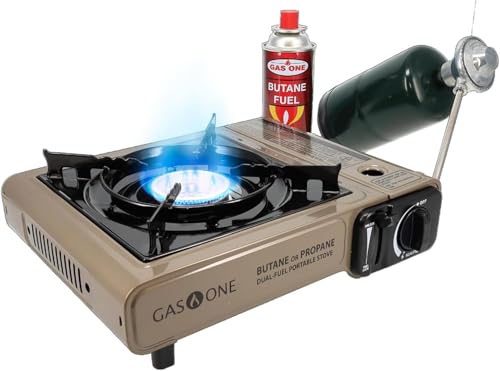
The Gas One GS-3400P is a dual-fuel stove compatible with both butane (fuel not included) and propane (fuel not included). It operates on a single 8 oz butane cartridge or a 16.4 oz propane cylinder. Includes a propane converter regulator and features automatic Piezo electric ignition, eliminating the need for lighters or matches. The adjustable heat dial supports precise control, making it versatile for camping kitchens or emergency kits.
Best for: campers who want fuel flexibility and easy ignition in diverse outdoor scenarios. This stove is well-suited for lightweight trips or preparedness kits where space and adaptability matter. A potential limitation: lighter-weight canisters may require additional adapters for certain setups.
Vivicreate 2 Burner Propane Stove

The Vivicreate stove features two high-efficiency burners (20000 BTU total) with a durable stainless steel body. It offers stable pan supports and anti-slip stands, ensuring safe operation on uneven ground. The dual burners enable faster meals—ideal for camping, backyard cooking, or emergency use.
Best for: campers who cook full meals at once and need steady heat with rugged construction. Limitation: heavier than ultra-portable models, which may affect backpacking suitability.
Gas One Portable Butane Camping Stove

This high-output stove is designed for portability and efficiency, claiming strong boiling speed with up to 7650 BTU when used with an 8 oz butane canister. It carries CSA safety approval and includes an automatic ignition, plus a fuel cartridge injection safety feature. Best used for camping, outdoor cooking, or home emergency kits where quick readiness matters.
Best for: campers who value fast boiling and a compact footprint. Caution: Works with 8 oz butane canisters only, which may require frequent canister swaps on longer trips.
LLAMA VIVA 12 Inch 2-Burner Stove
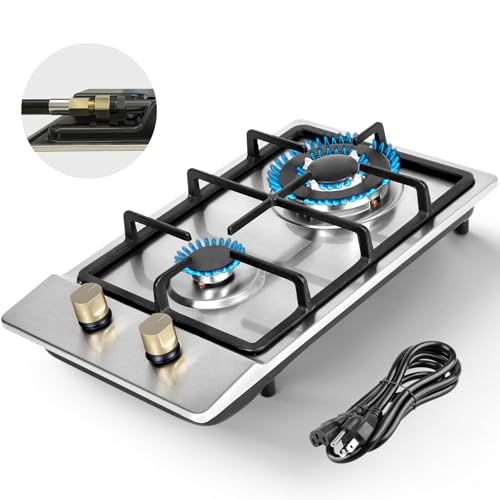
LLAMA VIVA offers a 12-inch, dual-burner setup with a propane conversion option and thermocouple safety protection. It combines a high-power propane burner (12250 BTU) and a simmer burner (3750 BTU) for controlled cooking with 52% thermal efficiency. Durable stainless steel construction and cast iron grates provide long-lasting performance.
Best for: campers seeking a balance of power, efficiency, and durability. Limitation: heavier build may reduce portability for ultra-compact trips.
CAMPLUX Classic RV Stove 3-Burner

CAMPLUX ENJOY OUTDOOR LIFE offers a 3-burner propane cooktop designed for RVs and campers needing more cooking capacity. It uses a slide-in design to optimize space and includes features like a tempered glass cover and easy-to-clean components. This model is suited for campers who cook multiple dishes at once and require larger cooking surfaces.
Best for: RV or trailer dwellers who want a full-feature cooking range away from the campfire. Limitation: larger footprint means it’s less suitable for ultra-light backpacking or minimal campsites.
Buying Guide: Key Considerations For Campers
- Fuel Type: Choose between propane, butane, or dual-fuel options based on availability at your campsites and travel regions. Dual-fuel models offer flexibility but may add weight and complexity.
- Portability: For hikers or backpackers, prioritize compact, lightweight designs with reliable ignition. For RV use, larger ranges with multiple burners can improve meal prep efficiency.
- Ignition and Safety: Piezo ignition is convenient, while some models integrate thermocouple protection to prevent gas leaks if the flame goes out. CSA or other certifications can indicate safety compliance.
- Heat Output: BTU ratings indicate how quickly a stove can boil water or cook meals. Higher BTU is useful for rapid cooking but can waste fuel if used inefficiently.
- Durability and Build: Stainless steel bodies, cast iron grates, and stable pan supports improve lifespan and cooking safety in windy or rugged environments.
- Compatibility: If you use an RV or trailer, ensure the stove fits your kitchen opening and power/knob arrangements. Convertible kits may be needed for NG/LPG installations.
Frequently Asked Questions
- What fuel is best for camping stoves?
- Are RV stoves portable enough for tent camping?
- Do I need safety certifications for camping stoves?
- Can I convert my stove from propane to natural gas?
- How do I choose between single-burner and multi-burner models?
- What maintenance is required for camping stoves?
Propane is widely available and convenient for many campgrounds. Butane works well in cooler weather and smaller canisters. Dual-fuel stoves offer flexibility where supply varies by location.
RV stoves are generally larger and less portable than backpacking stoves. They excel in RV parks or trailer setups where space is less of a concern.
Certifications like CSA provide assurance of safety standards. Always follow manufacturer instructions and use in well-ventilated areas away from flammable materials.
Many stoves come with NG/LPG conversion kits. Use only approved conversion methods specified by the manufacturer to maintain safety and performance.
Single-burner stoves save space and weight for solo or minimalist trips. Multi-burner models boost cooking capacity for families or when cooking several dishes at once.
Regularly clean burners and grates, inspect connections for leaks, and store fuel canisters upright in a ventilated area away from heat sources.