Answering the common buyer question, these products are designed to maximize warmth, comfort, and portability when sleeping in a hammock. The list includes underquilt-style sleeping bags, compact envelope bags, and hammock-compatible tents and accessories. Best for: backpackers needing warmth in a hammock, campers seeking compact gear, and travelers who want quick setup in varied weather.
Summary Table: Selected Products
| Product | Brand | Best For | Notes |
|---|---|---|---|
| Night Cat Hammock Underquilts Sleeping Bag | Night Cat | 4-season hammock warmth | 8×3.6 ft underquilt sleeping bag combo |
| ECOOPRO Portable Sleeping Bag | ECOOPRO | Lightweight, waterproof travel | Compression sack, 11″ packed height |
| Naturehike Lightweight Sleeping Bag | Naturehike | Ultra-light, compact backpacking | Envelope style, 80.7 x 33.5 in |
| SZHLUX Camping Hammock (with Straps) | SZHLUX | Double or single hammock sleeping space | Parachute fabric, 400 lbs capacity |
| Rivenlo Camping Hammock Tent | Rivenlo | Hammock tent with mosquito net and rain fly | 3-in-1 functionality |
Night Cat Hammock Underquilts Sleeping Bag

The Night Cat underquilt sleeping bag is designed to fit compatible hammocks and is intended for 4-season use. Made with 190T polyester outer fabric and 190T pongee lining, it is filled with 250 gsm soft hollow cotton to provide warmth and comfort. The quilt is lightweight for easy packing and includes a compression stuff sack for portability. The large 8 ft x 3.6 ft size fits most standard hammocks, effectively combining warmth and heat retention in a hammock setup.
Best for: campers who want a ready-made (underquilt + sleeping bag) solution for hammock nights in cool to moderate weather. It is well suited for solo hikers who value warmth without extra bulk.
Caution: the 250 gsm hollow filling provides warmth but may compress over time if stored improperly; store loosely to maintain loft when not in use.
ECOOPRO Portable Waterproof Sleeping Bag
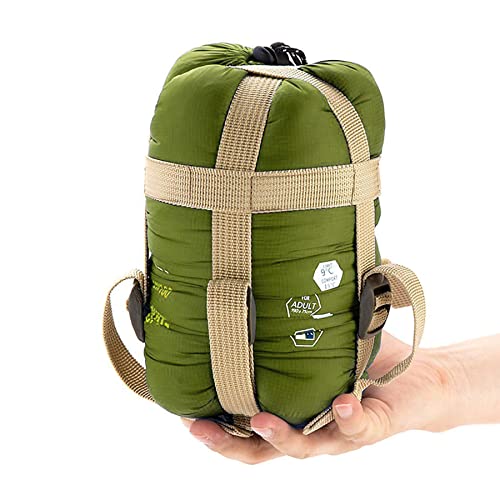
This ECOOPRO sleeping bag emphasizes durability and weather resistance with a waterproof exterior nylon shell and breathable polyester lining. It’s designed for comfort with a roomy interior and a temperature rating around 55–60℉, making it suitable for three-season use or paired with a hammock in milder climates. The bag is easy to roll and compress, reducing bulk for backpackers.
Best for: travelers who need a weatherproof, compact sleeping bag that can be used in hammocks or tents, especially when wet conditions are likely and weight matters.
Caution: a non-down insulation approach means it may not provide the same loft as high-end down bags in extreme cold; consider layering beneath or in colder environments.
Naturehike Lightweight Compact Sleeping Bag

The Naturehike sleeping bag is ultra-lightweight and compact, ideal for backpackers seeking minimal bulk. It weighs about 0.76 kg (1.68 lb) and packs down to roughly 5 by 12 inches. The roomy dimensions (80.7 x 33.5 inches) accommodate most adults, with plush filling for comfort and warmth. It’s particularly suitable for travelers who want a breathable, space-saving option.
Best for: solo hikers and travelers who prioritize weight savings and compact packing without sacrificing space for movement inside the bag.
Caution: the envelope style can feel snug for very tall users; ensure the size fits before purchasing if space is a priority.
SZHLUX Camping Hammock With Straps

The SZHLUX hammock offers a versatile setup for outdoor sleeping, including 2 tree straps and an easy fold-and-go design. Made from 210T parachute fabric, it supports up to 400 lbs and provides a comfortable sleeping area for two or more people in certain configurations. This option is suitable for campers who want a robust hammock that can double as a lounging space and sleeping area.
Best for: couples or families looking for a roomy hammock that can be set up quickly and used in various outdoor settings. Choose this if you need a durable fabric and straightforward setup.
Caution: heavier occupants should verify weight limits and strap configuration to ensure safe use; ensure proper tree spacing for optimal comfort.
Rivenlo Camping Hammock Tent
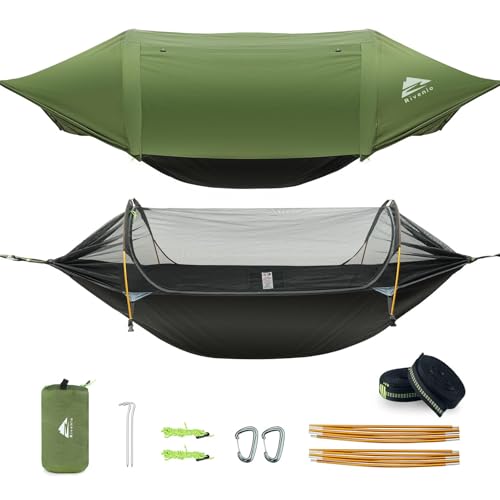
The Rivenlo hammock tent combines hammock sleeping with a mosquito net and rain fly for weather protection. This 3-in-1 setup converts a standard hammock into a breathable tent with better airflow and protection against insects. It includes foldable aluminum support poles and tree straps for quick setup, making it suitable for outdoor excursions in varied climates.
Best for: hikers and campers who want a compact, all-in-one hammock shelter that provides insect protection and weather readiness. If you frequently camp in buggy or drizzly environments, this is a strong option.
Caution: assembly requires a bit more setup than a simple hammock; ensure you have adequate space and time to install the rain fly and netting properly.
Buying Guide: Key Considerations For Hammock-Compatible Sleeping Gear
- Warmth and layering: Consider whether you prefer an integrated underquilt/sleeping bag system (heat-retaining) or a standalone sleeping bag with a hammock-friendly design. Underquilts typically offer better heat retention for hammock sleepers.
- Weight and packed size: If you hike or backpack, prioritize lightweight materials and compact packing. Envelope-style sleeping bags compress smaller than bulky rectangular bags.
- Weather resistance: For damp or rainy areas, a waterproof outer shell and breathable lining help manage condensation. Some bags are designed to be waterproof and weatherproof, while others rely on external shelter.
- Fit and hammock compatibility: Check the dimensions (length and width) to ensure the bag or underquilt fits your hammock. A mismatched size reduces warmth and comfort.
- Durability and materials: Look for durable fabrics (nylon, polyester) and high-quality zippers. Parachute fabric and ripstop constructions improve longevity in outdoor use.
- Ease of setup: Some products include quick-connect straps and simple assembly, while others require more components. Consider how much time you want to spend setting up in the field.
- Versatility: If you travel with others, a hammock tent or larger capacity option can be advantageous. Conversely, solo travelers may prioritize compact, lighter gear.
Frequently Asked Questions
- What makes a hammock underquilt different from a regular sleeping bag? An underquilt attaches underneath the hammock to provide insulation from below, addressing heat loss that can occur through the hammock’s surface. It is designed to stay in place and maintain warmth even as you shift positions.
- Are there hammock sleeping bags suitable for extreme cold? Yes, some 4-season underquilt sleeping bags are designed for colder temperatures, but many use synthetic fills that balance warmth with packability. For extreme cold, layering with a cold-weather liner or additional blankets may be necessary.
- Is a waterproof sleeping bag necessary for hammock camping? It depends on the climate. In wet environments, a waterproof outer shell can prevent moisture ingress, while breathable liners help with comfort. Consider your typical weather and humidity levels.
- Can I use a regular sleeping bag with a hammock? You can, but it may not seal warmth as effectively as purpose-built hammock underquilts. Look for a bag with a roomy cut and a design that accommodates side sleeping and shifting.
- What should I look for in hammock straps or tree-friendly gear? Straps should be long enough to wrap around trees without damaging bark and offer multiple attachment points. Easy-to-use buckles and reinforced stitching improve safety and setup speed.
- Do these products work for camping beyond hammocks? Many are adaptable for tents and general camping use, especially envelope-style bags and weatherproof options that maintain comfort in varied sleeping environments.