Looking for a rugged hiking pack with a frame that distributes weight comfortably on long trails? This guide highlights five sturdy options, including internal and external frame designs, ideal for day trips through to multi-day excursions. Each pick targets different travelers: serious hikers needing high capacity, weekend campers seeking reliable hydration, and beginners prioritizing comfort and load management. The table below summarizes key picks to help you compare capacity, frame type, and versatility at a glance.
| Product | Frame Type | Capacity | Best For |
|---|---|---|---|
| IX INOXTO Hiking Backpack 26L/40L | Internal frame | 26L / 40L | Dailies and short trips; light-on-the-back hikers |
| Teton 65L Scout Internal Frame Backpack (Black) | Internal frame | 65L | Mid-to-long backpacking with load stability |
| Teton 55L Scout Internal Frame Backpack (Burnt Orange) | Internal frame | 55L | Balanced daily excursions or weekend treks |
| TR Aluminum External Frame Backpack | External frame | Not stated (large capacity likely) | Heavy loads; rugged outdoor use |
| Amazon Basics Internal Frame Hiking Backpack 75L | Internal frame | 75L | Big gear hauls; extended trips with gear variety |
IX INOXTO Hiking Backpack 26L/40L

The IX INOXTO 26L/40L internal-frame pack is built with water-resistant, durable polyester and reinforced stitching. It includes a 3L hydration bladder and a rain cover, making it ideal for hikers who value light weight with hydration on the go. The 3D back suspension and breathable mesh reduce sweating, while the steel frame provides even load distribution to minimize fatigue. Best for: day hikers and light backpackers who want a versatile, weather-ready pack.
Limitations: Slightly smaller main compartment in the 26L setting may restrict gear for longer trips. Choose the 40L option if you anticipate more gear needs.
Teton 65L Scout Internal Frame Backpack
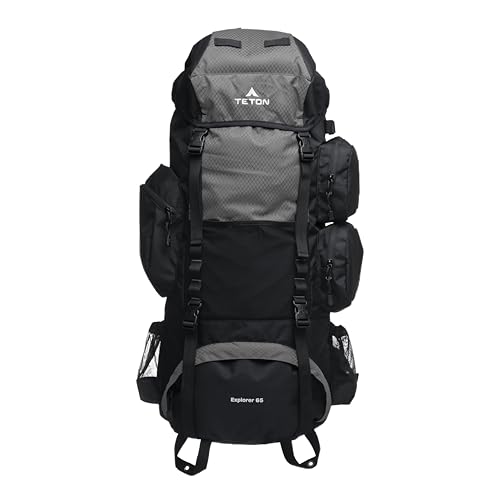
With 65L of capacity and multiple torso adjustments, this internal-frame backpack focuses on comfort and airflow for longer treks. It includes a foam lumbar pad and molded channels to boost ventilation, along with hydration pocket access and adjustable straps for a secure fit. Best for: hikers who need substantial capacity without sacrificing back ventilation.
Limitations: Available sizes vary; ensure the torso adjustment meets your height and torso length for optimal comfort.
Teton 55L Scout Internal Frame Backpack

The 55L variant offers balanced capacity with the same comfort features found in the 65L model, including multi-position torso adjustment and a lumbar support system for long days on the trail. Best for: hikers seeking reliable comfort and a lighter footprint than the 65L option.
Limitations: Less overall room than the 65L version; may require more efficient packing on longer trips.
TR Aluminum External Frame Backpack

This external-frame pack emphasizes heavy-duty aluminum framing for strong load support. Built with 600D fabric and a wrap-around waist belt, it emphasizes stability and durability for hunting, camping, and long expeditions. Best for: users carrying unusually heavy or bulky gear where frame support and weight distribution are crucial.
Caution: External frames can be bulkier and slightly less breathable when fully loaded compared to internal-frame designs.
Amazon Basics Internal Frame Hiking Backpack 75L

The Amazon Basics 75L internal-frame pack provides generous space with organized storage pockets and a sleeping-bag compartment. It features multi-directional compression straps and an adjustable shoulder system to support varied gear loads. Best for: budget-conscious hikers planning longer trips with substantial equipment needs.
Limitations: The larger capacity may require additional time organizing gear for quick access during hikes.
Buying Guide: How to Choose a Hiking Pack With Frame
- Frame Type: Internal frames offer closer-to-your-back stability and are generally better for fast-moving day hikes. External frames provide strong back support for heavy loads and bulky gear, useful on long expeditions.
- Capacity Needs: 25–40L suits day hikes; 45–65L covers weekend trips; 75L and above is for extended expeditions with more equipment. Consider your packing style and climate when selecting capacity.
- Fit and Comfort: Look for adjustable torso length, padded shoulder straps, and a contoured hip belt. Proper fit reduces back and shoulder fatigue on steep grades.
- Hydration and Accessibility: A built-in hydration reservoir or easy-access pockets enable hydration without stopping. Check for hose routing and leak-proof bladders if included.
- Durability and Weather Readiness: Water resistance, reinforced stitching, zippers, and rain covers extend pack life in diverse conditions.
- Organization: Multiple pockets, gear loops, and sleeping-bag compartments help keep items accessible and secure on uneven terrain.
- Weight: Lightweight options reduce fatigue but may sacrifice some durability or capacity. Balance weight with the required features for your trips.
Frequently Asked Questions
- What is the difference between internal and external frame packs? Internal-frame packs sit closer to your back and usually offer better balance for day-to-mid-range hikes. External-frame packs provide more rigid back support and are better for heavier loads and bulky gear on extended trips.
- How much capacity do I need? For day trips, 20–40L is typical. For weekend excursions, 40–65L. For longer expeditions, 75L or more may be necessary depending on gear.
- Should I choose hydration-compatible packs? Yes, if you plan to hydrate frequently or hike in hot weather. Hydration systems reduce the need to stop for water breaks and save time on the trail.
- How important is torso length adjustment? Very important. A properly adjusted torso ensures even load distribution and reduces strain on the back and shoulders.
- Are rain covers essential? Rain covers protect gear from moisture and prolong pack life in unpredictable conditions.
- What should I consider about durability? Look for reinforced stitching at stress points, quality zippers, and high-density fabrics to withstand abrasion and weather exposure.