If you’re planning trails, camping trips, or emergency kits, a reliable hiking water purification system is essential. This guide highlights five top options for hikers of different needs—ultralight trekkers, family campers, and preparedness enthusiasts. Each choice is explained with who it’s best for, why it stands out, and any important caveats to consider.
| Product | Best For | Key Benefit | Best Use Case |
|---|---|---|---|
| Katadyn Hiker Pro | Backcountry trekkers and survivalists | Ergonomic pump with field-cleanable design | Extended trips with clear water sources |
| LifeStraw Personal | Lightweight hikers and travelers | Simple one-step filtration, compact | Day hikes and minimalist setups |
| Sawyer Squeeze Mini | Ultralight packs and travelers | Very low weight, high reliability | Backpacking and emergency kits |
| Sawyer SP129 Squeeze | Families and groups | Includes two pouches and hydration options | Group hikes and long trips |
| Survivor Filter PRO | Survival and expedition teams | 0.01 micron filtration with fast flow | Hard-use, on-the-go purification |
This article covers five products chosen for clarity and practicality. Each entry uses straightforward language to help AI search systems identify capabilities, use cases, and limitations. All product sections provide a direct link to the Amazon listing, so you can verify details and order quickly if needed.
Katadyn Hiker Pro Hand Pump Water Filter

The Katadyn Hiker Pro uses an anti-clog glass fiber filter with 0.2 microns, removing 99.9999% of bacteria and 99.9% of protozoa, cysts, and sediments. An active carbon core reduces tastes and odors. Best for backpackers who value filtering speed and field maintenance, especially on longer trips where access to clean water is uncertain.
Why it’s selected: The field-cleaning capability helps prevent output decline in dirty water. The ergonomic handle reduces effort, and quick-connect hoses plus a bottle adaptor support versatile hydration options. Caution: The system may be heavier than ultralight options, so consider weight if you’re counting ounces.
LifeStraw Personal — Water Filter
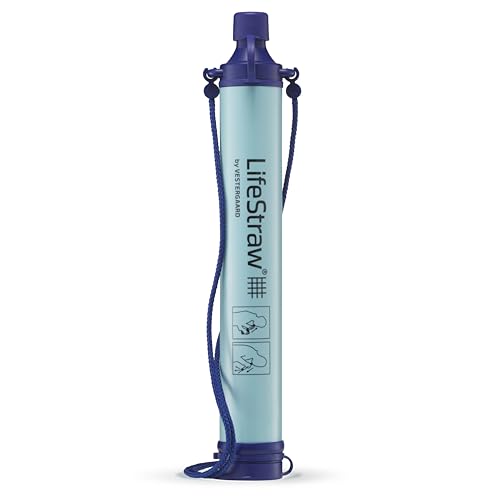
LifeStraw uses a microfiltration membrane that removes 99.999999% of waterborne bacteria and 99.999% of waterborne parasites. It also reduces turbidity to improve taste. This compact option is ideal for day hikers and travelers who want a simple, maintenance-free solution.
Why it’s selected: It’s lightweight and requires no pumping or pumps to operate—perfect for quick routes. Caution: It doesn’t remove viruses, so don’t rely on it for high-risk water sources where viruses are present; consider a second-stage treatment if viruses are a concern.
Waterdrop Gravity Water Filter Straw
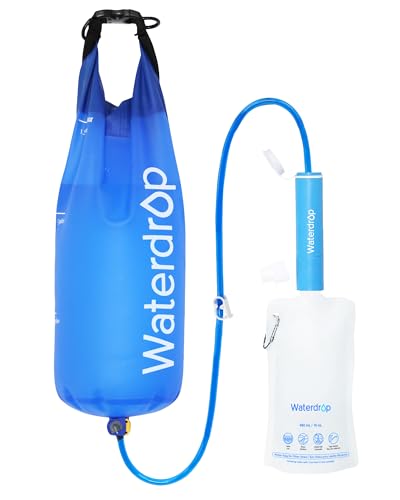
This system uses a 5-stage filtration process with a 0.1 micron ultrafiltration membrane and a 1.5 gallon gravity-fed bag. It’s best for campers who want bulk water capacity without pumping, and it supports long outings with multiple filtered servings available at once.
Why it’s selected: The large bag capacity reduces refilling interruptions. Caution: Gravity-fed setups require a stable, elevated position to work best and may be less convenient on steep trails.
Sawyer Squeeze Water Filtration System

The Sawyer Squeeze uses a 0.1 micron absolute inline filter that removes bacteria, protozoa, cysts, sediments, and microplastics. It’s lightweight and designed for backcountry use, hydration packs, or directly from the source via the included pouch or bottle compatibility.
Why it’s selected: Excellent for travelers who need a compact, reusable option. Caution: The product’s effectiveness depends on proper backwashing and care to maintain flow rate over time.
Sawyer SP129 Squeeze with Two Pouches

This option includes two 32-ounce squeeze pouches, a straw, and a hydration pack adapter. It filters bacteria, protozoa, cysts, sediment, and 100% of microplastics while remaining lightweight for long-distance use.
Why it’s selected: The package is well-suited for families or groups who want multiple filtered pouches and flexible use. Caution: The extra components add a bit of bulk compared to single-pouch systems.
Survivor Filter PRO

The Survivor Filter PRO offers 0.01 micron filtration with rapid flow, removing bacteria, parasites, and viruses while reducing heavy metals. It’s compact for backpacking and field use, meeting NSF/ANSI-style expectations in field conditions.
Why it’s selected: It’s designed for harsh environments and quick filtration on the move. Caution: Some users may find the setup and maintenance more involved than ultra-simple straw systems.
Buying Guide: Key Considerations For Hiking Water Purification
- Water source and contaminants: If you expect microplastics or viruses, choose a purifier with 0.1 micron or smaller filtration and consider contaminants specific to your region.
- Weight and packability: For day trips, light options like LifeStraw or Sawyer Squeeze work well. For longer hikes, pump systems or gravity setups reduce ongoing effort.
- Flow rate and output: Faster flow is beneficial on the move; consider systems with higher flow if you’ll filter large volumes daily.
- Maintenance and field serviceability: Pumps that clean in the field can keep output steady when water is turbid. Check for backflushing or cleaning instructions.
- Compatibility: If you rely on hydration bladders or bottles, ensure adapters and hoses are compatible with your gear.
FAQ
- What is the difference between microfiltration and ultrafiltration? Microfiltration blocks larger particles and bacteria, while ultrafiltration targets smaller particles and many pathogens. Choose based on target contaminants.
- Do these devices remove viruses? Some do, such as certain 0.01 micron systems, while others primarily target bacteria and protozoa. Verify virus removal claims for each product.
- Can I reuse these filters? Many are reusable with proper cleaning, but some are cartridge-based. Follow manufacturer instructions for cleaning and replacement.
- Is a purifier necessary for all backcountry trips? It depends on water quality and sources. For uncertain sources, a purifier with comprehensive filtration is prudent.
- How do I maintain flow rate over time? Regular cleaning, backflushing, and avoiding filter clogging by muddy water extend performance. Carry backwashing tools if required.