Short answer: a 3-liter hydration pack is ideal for day-long hikes, cycling sessions, or quick weekend trips where you want fast access to water without carrying heavy gear. This guide highlights five top options that balance comfort, durability, and storage. Each pick is best for specific activities, from ultralight runs to tactical missions. Use the table below to compare core specs at a glance.
| Product | Brand | Capacity | Best For |
|---|---|---|---|
| NONSAR Hydration Backpack | NONSAR | 3L bladder + 18L pack | All-day hikes, cycling, long runs |
| MARCHWAY Tactical Molle Hydration Pack | MARCHWAY | 3L bladder | Rugged trails, modular gear |
| CHERAINTI Hydration Bladder 3L | CHERAINTI | 3L bladder | Bladder replacement, versatile hydration |
| N NEVO RHINO Hydration Backpack | N NEVO RHINO | 3L bladder + 18L pack | Day hikes, cycling with visibility |
| NOOLA Hydration Backpack | NOOLA | 3L bladder + 9 pockets | Organized day trips, varied terrains |
NONSAR Hydration Backpack With 3L Water Bladder

NONSAR blends ergonomics with ample organization. This pack measures 17.5″ x 10.5″ x 2.7″ and includes an 18L main area with seven pockets for easy item separation. The 3D breathable back and adjustable straps reduce bounce, making it suitable for runners, cyclists, and hikers who prioritize comfort. The pack uses lightweight, waterproof nylon to minimize weight while maintaining durability. Best for individuals who want substantial carry space without sacrificing fit. A potential limitation is the balance between bladder capacity and overall weight on very long trips.
MARCHWAY Tactical Molle Hydration Pack (Black)

This MARCHWAY design emphasizes a streamlined, secure fit with a sculpted profile and 1000D water-repellent nylon for durability. It supports a 3L reservoir and features a MOLLE system for modular gear, plus external pockets for quick access. The sternum, waist, and shoulder straps stabilize the load, while an air-mesh back enhances ventilation. Choose this if you need a rugged pack for longer pursuits or tactical use, but be aware that the weight and bulk can be a consideration for ultra-light trips.
CHERAINTI Hydration Bladder 3L
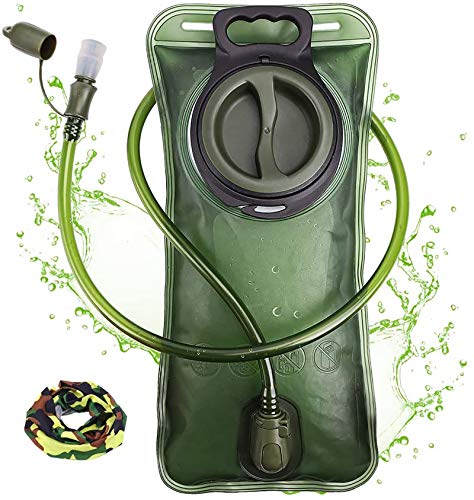
CHERAINTI focuses on the bladder itself, offering a BPA-free 3L reservoir with a large opening for easy cleaning and ice addition. The bladder is designed to minimize plastic taste and withstand temperature variations from -5 to 50 degrees Celsius. It’s compatible with many hydration packs and features a 0.4-inch diameter, 40-inch hose for smooth flow. Best for buyers who want a reliable replacement bladder or a flexible option for different packs. Limitation: it’s a bladder, not a full backpack, so you’ll need a compatible carrier.
N NEVO RHINO Hydration Backpack

NOOLA RHINO emphasizes lightweight design with 18L total capacity and a 3L insulated bladder to keep liquids cool for hours. The shoulder, waist, and back panels use ventilated mesh for airflow, and the set includes reflective strips for visibility. Best for hikers and cyclists who appreciate breathable comfort on longer outings. A potential drawback is that capacity can be heavier when fully loaded, reducing speed on intense climbs.
NOOLA Hydration Backpack With 3L Bladder

NOOLA combines a tactical MOLLE system with nine pockets for organized storage, including four zippered compartments and five multi-purpose pockets. The 3L BPA-free bladder is designed to be odor-free, and the overall build aims for rugged daily use. Best for outdoor enthusiasts who want a versatile, all-day bag with quick-access storage. Limitation: MOLLE expansion may add bulk for ultralight hikers who prioritize minimalism.
Buying Guide: Key Considerations For A 3L Hydration Pack
What will you primarily use it for? If you are a casual hiker or cyclist, prioritize comfort, breathable back panels, and sufficient pockets for essentials. For tactical use or mountain days, a MOLLE-equipped pack and rugged fabric improve durability and modularity. Consider capacity versus weight—3L is often enough for a long day; more gear equals more load.
How important is insulation? Insulated bladders help keep drinks cool, which matters on hot days. If you frequently need ice-cold water on the trail, look for packs with insulated compartments or rigid bladders. Cleaning ease also matters; wide openings on bladders simplify maintenance.
Fit and adjustability: Look for adjustable shoulder, chest, and waist straps. A breathable back panel reduces heat buildup during exertion. If you have a narrow torso or broader shoulders, confirm strap geometry fits well to prevent chafing.
Storage and organization: Decide how many pockets you need and whether you require MOLLE compatibility for external pouches. A dedicated hydration sleeve and a secure clip for the hose help prevent leakage and keep the hose in easy reach.
FAQ
- What does 3L mean in hydration packs?
It refers to the water bladder capacity, typically around 3 liters, which equates to about 100 fluid ounces of water. - Are 3L packs suitable for long hikes?
Yes, for day trips or long training sessions when paired with a compact load, but adjust weight and gear to your stamina. - What should I look for in a back panel?
Breathability, contoured fit, and padding reduce fatigue and prevent overheating during activity. - Is an insulated bladder necessary?
Helpful in hot or cold conditions to maintain beverage temperature; not strictly required in cool climates. - Can I use any 3L bladder with a 3L pack?
Most packs accept standard 3L bladders, but check the hose diameter and opening compatibility to ensure a proper fit.