Answering the question “which insulated foam sleeping pad is right for me?” this guide highlights five top options that balance warmth, portability, and value. Ideal for backpackers, car campers, and outdoor enthusiasts seeking reliable ground insulation, these pads vary by weight, thickness, and ease of packing. The best picks target different needs: ultralight hikers, budget-conscious travelers, and those who want a durable classic pad for varied terrains.
Buyer focus at a glance: ultralight foam pads suit fast-and-light trips; closed-cell foam mats with aluminum film provide better warmth in cold conditions; classic Therm-a-Rest pads offer long-standing reliability; oversized options cater to comfort, while compact, foldable pads fit minimalist packs. The table below summarizes key details to compare at a glance.
| Product | Material & Insulation | Weight | Best For | Notable Trade-off |
|---|---|---|---|---|
| Fitply Ultralight Foam Sleeping Pad (Blue) | XPE foam with heat-reflective film, insulation 2.1 | 0.7 lbs | Ultralight hikers who want compact storage | Thin profile when folded |
| Fitply Ultralight Foam Sleeping Pad (Sunset Orange) | XPE foam, same insulation 2.1 | 0.7 lbs | Color choice for visibility or preference | Similar to blue version |
| Therm-a-Rest Z Lite Original | Lightweight and compact | Budget-friendly warmth on chilly ground | Less cushioned feel | |
| THINTON Foam Camping Pad | Lightweight | Ultralight backpacking with good warmth | Thin thickness still offers warmth | |
| Gear Doctors Oxylus 4.3 R-Value Self-Inflating Pad | Moderate weight | Cold-weather setups and self-inflation ease | Higher price and complexity |
Fitply Ultralight Foam Sleeping Pad — Blue

Best for ultralight backpackers who prioritize minimal weight and compact storage. The pad uses ultra-light XPE foam with a heat-reflective aluminum film to reflect body heat, offering an insulation rating of 2.1. Unfolded size is 70.8 x 23.6 x 0.36 inches; folded to 23.6 x 5.6 x 4.9 inches. Weighs about 0.7 lbs per pack. Ergonomic raised nodes provide back support for a more comfortable sleep, and the design nests inside itself for easy packing.
Who it’s for: hikers who need a compact, warm pad without adding bulk. Why selected: best balance of ultra-light weight and insulation in a foldable form. Caution: the thickness is minimal when folded, so it may feel firmer on uneven ground.
Fitply Ultralight Foam Sleeping Pad — Sunset Orange

This version mirrors the blue pad’s construction but offers a vivid color option for visibility and personal preference. It maintains the same unfolded and folded dimensions, weight, and insulation performance. Best for travelers who want the same performance with a different look. The ergonomics and nesting capability make it a solid choice for those who value packing efficiency alongside warmth. Caution: color choice does not affect performance, only aesthetics.
Therm-a-Rest Z Lite Original Camping Pad
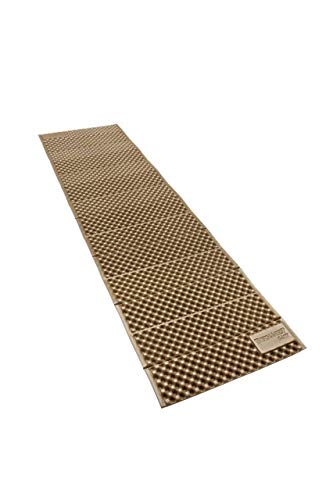
Best for budget-conscious campers who need a reliable, durable ground pad. This classic Therm-a-Rest pad features accordion-style folding for compact packing. Its dimples trap heat to provide warmth even on cold nights, with an R-value of 1.7. It’s lightweight and proven, making it a cornerstone for many outdoor setups. Caution: less cushioning compared to newer foam designs; some users may prefer extra thickness for comfort on rough terrain.
THINTON Foam Camping Pad

Best for ultralight backpackers seeking a foldable closed-cell pad with solid warmth. The pad lists an insulation rating of 2.1, aided by IXPE material and an aluminum back layer that helps reflect warmth. Unfolded size around 185 x 60 x 1.8 cm (72.8 x 23.6 x 0.7 inches), folded down small for easy packing, and light enough for long backpacking trips. Caution: thickness is slim, so it may be less comfortable on rocky ground without a sleeping bag or a liner.
Gear Doctors Oxylus 4.3 R-Value Insulated Pad
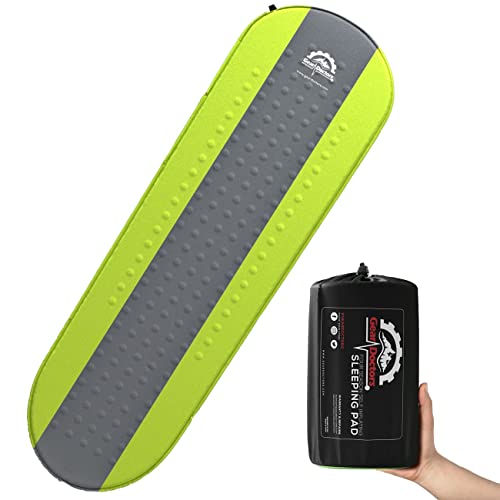
Best for winter camping and hikers who want a self-inflating option with a high R-value. The Oxylus pad uses a smart balance approach to warmth, combining a foam core with a self-inflating mechanism. It is described as 72″ x 20″ (183 cm x 52 cm) with a 1.5″ thickness in its setup. The 75D micro-coated shell adds durability and moisture resistance. Caution: heavier than some ultralight pads and may take longer to pack away, but offers strong warmth retention. Suitable for beginners and families who need a forgiving setup and a reliable night’s sleep on cold terrain.
Buying Guide: Insulated Foam Sleeping Pads
What matters most when choosing an insulated foam sleeping pad? Consider weight, insulation, thickness, packing size, and terrain. Below are practical questions and answers to help you compare options quickly.
How do I choose insulation level?
Look for a numeric insulation rating (like 2.1 or 4.3). Higher values indicate better warmth in cold conditions. Closed-cell foam with aluminum backing can improve heat retention, while older or simpler designs may have lower ratings.
Is weight a priority for my trip?
Ultralight pads (roughly under 1 lb) are ideal for long treks where every ounce matters. Heavier self-inflating pads offer comfort and easier setup, particularly on longer journeys or when camping in colder weather.
What about thickness and comfort?
Thicker pads generally provide more cushion on uneven ground but may sacrifice packability. If you expect rocky terrain, pairing a thin pad with a sleeping bag liner or a reflective top layer can help improve comfort and warmth.
Are these pads durable for rough ground?
Closed-cell designs and pads with reinforced shells tend to resist punctures and wear. Accordion-style or foldable designs from reputable brands have a long track record of durability in field conditions.
Which pad is best for cold weather?
Pads with higher R-values and aluminum backings deliver better warmth in cold environments. Self-inflating pads with thicker cores also help insulate against cold ground, making them more suitable for winter camping.
How should I compare overall value?
Balance weight, warmth, and durability against price. Classic designs like Z Lite provide solid warmth at a lower cost, while more advanced self-inflating pads offer convenience and higher warmth at a higher price.
Quick FAQ
- What is a good insulation rating for three-season use? A rating around 2.0–3.0 is generally adequate for three-season camping on moderate cold nights.
- Are foldable foam pads worth it over inflatable pads? Foldable closed-cell pads are lighter and sturdy, with no risk of punctures, but can be less comfortable on rocky ground compared to thicker inflatable options.
- Can I use aluminum-backed foam pads in wet conditions? Yes, aluminum backing helps reflect heat and provides moisture resistance, but ensure the pad stays dry to avoid loss of insulation.
- How do I store these pads when not in use? Fold or roll according to the manufacturer’s instructions to maximize life and minimize bulk in your pack.
- Which pad is easiest to set up? Pads with self-inflating cores or accordion folding are typically the quickest to deploy and adjust, requiring minimal effort before sleeping.
- Do color choices affect performance? No; color is mainly aesthetic, while material, insulation, and construction determine warmth and comfort.