Looking for a compact, reliable way to cook rice while camping or hiking? This guide highlights five Japanese-style camping rice cookers that balance portability, heat distribution, and ease of use. Each pick targets a specific camper type—ultralight backpackers, family campers, or outdoor chefs—so you can choose the best fit for your trips. The table below compares key traits to help you decide at a glance.
| Product | Best For | Capacity (L) | Notable Feature |
|---|---|---|---|
| Logos Outdoor Cookware Rice Cooker Hangou | Ultra-light hikers | 2.2 | Compact body and lid; lightweight |
| IPPINKA Table-top Kamameshi Set | Car campers with table setup | 2.0 | Complete tabletop cooking set |
| CampingMoon 3.0L IH-Compatible Pot | Family or group cooks | 3.0 | IH-compatible 3-layer structure |
| Boundless Voyage Titanium Pot 3.2L | Backpackers needing durability | 3.2 | Titanium, ultralight |
| Toshiba Mini Rice Cooker 3-Cup | Compact kitchen setups | 0.5 | Fuzzy logic, versatile cooking |
Logos Outdoor Hangou Cooking Rice Cooker
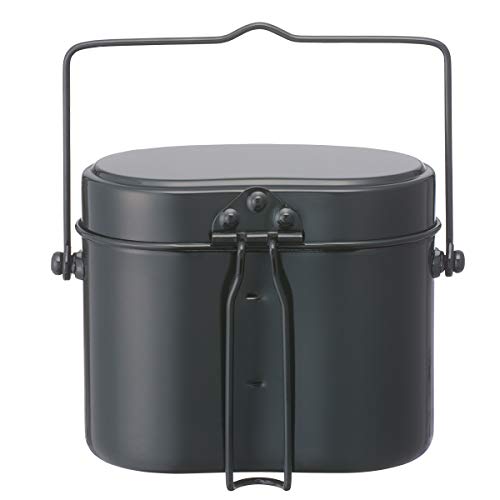
The Logos Hangou Rice Cooker is a compact option designed for lightweight camping. Best for ultralight explorers who want simple rice preparation without added bulk. Its total weight is approximately 365 g, and the body capacity is about 2.2 L with a 0.5 L lid capacity. The compact dimensions help it fit into small packs and gear stashes. A potential limitation is the smaller lid volume, which may influence larger portion sizes when cooking for several people in one session.
IPPINKA Kamameshi Table-Top Set

The IPPINKA Kamameshi set is ideal for campers who prefer a traditional Japanese tabletop cooking experience. It includes a non-stick aluminum pot, a stove, a sugi wood lid, a sugi wood base, and a fuel cup. This makes it well-suited for table-ready camping meals in places where a stable cooking surface exists. Choose this if you want an all-in-one setup that resembles a small kitchen station, but note that portability is dependent on the assembled footprint and fuel availability.
CampingMoon 3.0L IH Compatible Pot

This CampingMoon pot offers a 3-layer structure with induction heating (IH) compatibility, making it a robust choice for campers who can access even powered heat sources. Its interior uses corrosion-resistant 304 stainless steel with an aluminum core for efficient heat conduction, and its exterior is stainless steel. The one-handed hanging handle design supports direct-fire cooking over an open flame. It is best for campers who want even heat distribution and compatibility with IH or camp stoves, but may be heavier than ultralight options.
COMFEE’ Rice Cooker 12 Cups

The COMFEE’ Rice Cooker is designed for flexibility in outdoor meals with fuzzy logic technology that senses moisture and adjusts heat and time for fluffy results. It offers 11 programs, including white rice, brown rice, sushi, and more, along with a 30-minute quick cook option. This model is best for campers who want a versatile, automated unit for multiple grains. Its portability and control panel simplify operation, though larger kitchen setups may require more space in a pack.
Boundless Voyage Titanium Pot 3.2L
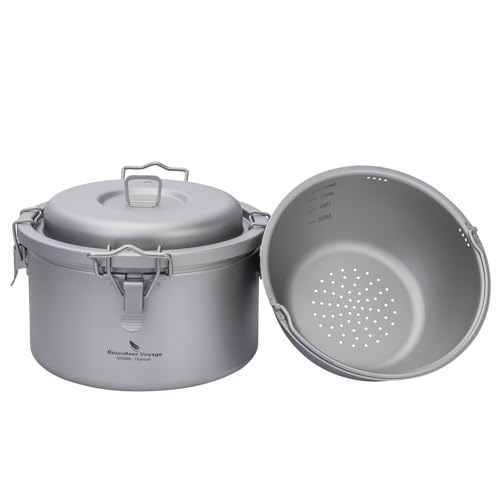
This ultralight titanium cooking pot is built for durability and performance. The 3.2 L capacity is suitable for group meals, and the titanium construction reduces weight while maintaining strength. It includes a 360-degree steam circulation for even cooking and nutrition preservation. Best for backpackers who value weight savings and rugged durability, but the price point may be higher than aluminum or stainless options.
Toshiba Mini Rice Cooker
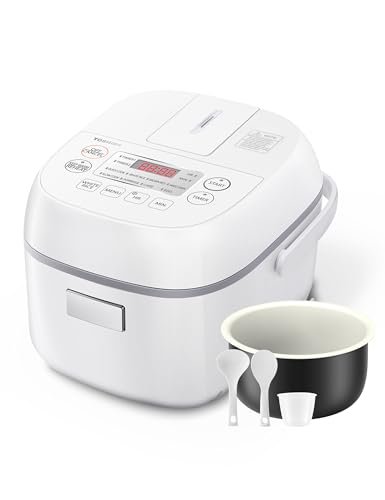
The Toshiba Mini Rice Cooker offers 3-cup uncooked capacity with fuzzy logic and a 24-hour delay timer. It is compact and versatile for small campsites or van-life setups where counter space is at a premium. It supports multiple grains and keeps a warm mode for later servings. Opt for this model when you need a compact, feature-rich rice cooker for limited spaces, but be mindful of its smaller capacity for larger groups.
Buying Guide: Practical Considerations For Camping Rice Cookers
- Weight and packability: Prioritize ultralight options for backpacking; titanium and compact bodies help reduce load.
- Heat source compatibility: IH-ready and stove-capable units expand where you can cook; consider how you’ll fuel the flame or use induction if available.
- Capacity needs: Match pot size to typical group size; larger pots are great for families but heavier to transport.
- Materials and durability: Stainless steel and titanium offer durability; non-stick coatings simplify cleaning but may wear with heavy use.
- Ease of use: Fuzzy logic and preset programs reduce guesswork in variable outdoor conditions; look for simple controls and clear indicators.
- Cleaning and maintenance: Removable parts and dishwasher-safe components simplify cleaning after camp meals.
- Safety considerations: Check lid stability, handle design, and heat insulation to prevent burns during outdoor cooking.
FAQ
- What type of rice cooker is best for camping?
– A compact, lightweight model with simple controls or a rugged pot designed for direct fire works best for most campers. - Can these pots cook other grains?
– Yes, many offer settings for brown rice, sushi rice, and grains like quinoa, or oats, depending on the model. - Is induction-compatible cookware necessary for camping?
– Not always; IH compatibility is beneficial if you have access to an induction setup, but traditional stoves work well for camp cooking. - Which is the most durable for rugged trips?
– Titanium pots typically offer the best strength-to-weight ratio for long trips with heavy use. - Do camping rice cookers require special fuel?
– Some sets include fuel cups or stoves; others rely on standard camp stoves or open flame, depending on the kit. - How do I choose capacity for a family trip?
– For small groups, a 2.0–3.0 L pot generally handles several servings; for larger groups, consider 3.0 L or more.