Answering the need for reliable off-grid power, these leisure battery options are ideal for camping, RV life, or outdoor emergencies. They suit campers who want lightweight, compact units with multiple outputs to charge phones, cameras, laptops, CPAP machines, and small appliances. The top picks balance capacity, portability, and versatile recharging options for different outdoor scenarios.
Buyer-focused overview: the best for light weekend trips, the best for heavy gadget usage, and the best overall value. The following table summarizes key attributes to compare at a glance.
| Product | Capacity | Weight | Output Options | Best For |
|---|---|---|---|---|
| MARBERO Portable Power Station 88Wh | 88Wh | ~3.2 lb | AC, USB, USB-C PD, DC | Lightweight, short trips or backup power |
| Jackery Explorer 300 | 292Wh | 7.5 lb | 2 AC, USB-C PD, USB-A, car port | Mid-size power for laptops and cameras |
| EnginStar Portable Power Station 300W 296Wh | 296Wh | ~6.5 lb | 2 AC, DC, USB, USB-C PD | Balanced power with many outputs |
| HOWEASY Portable Power Station 88Wh | 88Wh | ~2.3 lb | AC, USB-C PD, USB-A, DC | Ultra-portable, quick recharging |
| GRECELL Portable Power Station 330W | 288.6Wh | ~7.94 lb | AC, USB-C PD, USB-A, wireless, DC | High power, multiple devices at once |
MARBERO Portable Power Station 88Wh Camping

The MARBERO unit uses a compact 88Wh battery with eight output ports and a built-in BMS for safety. It supports fast charging via included adapter and optional MARBERO solar panels, making it suitable for lightweight solo trips, backyard camping, or as a small home backup. It is best for users who need a pocketable power source for essential devices and don’t require large appliance support.
Best for: ultralight campers or RV travelers who want a compact, quick-recharge option for phones, cameras, and small devices. Caution: limited AC power means larger appliances won’t run for long.
Jackery Portable Power Station Explorer 300

The Explorer 300 delivers 292Wh with LiFePO4 chemistry for lifespan durability and a lightweight frame. It includes two AC outlets, USB-C PD, USB-A, and a car port, making it a versatile choice for camping, travel, or as an emergency power bank. It’s best for those needing reliable multi-device charging with a relatively long service life.
Best for: campers who need a robust all-round unit that can power laptops, drones, and essential devices. Limitations: may feel bulky for the lightest backpackers; consider if you value extra longevity and device versatility.
EnginStar Portable Power Station 300W 296Wh

This EnginStar model provides 296Wh with 300W continuous output and two 110V pure sine wave outlets, plus DC and USB ports. It emphasizes safety with advanced protection and a multiport design that supports CPAPs, laptops, cameras, and small appliances. It’s best for users who need reliable power for multiple devices with a focus on stable sine-wave output.
Caution: the unit notes multiple outputs, but the solar panel is not included; plan for optional solar charging if off-grid durations are long.
EnginStar Portable Power Station 300W (Second Model)
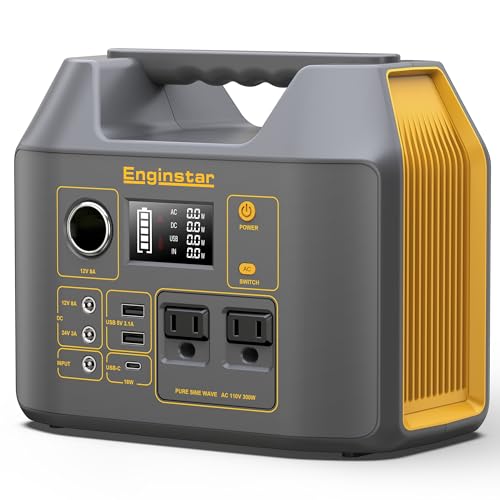
This second EnginStar generator emphasizes multiple outputs including two pure sine wave outlets, DC car port, USB-C fast charge, and a PDB-style configuration. It is designed for campers needing dependable power with flexible charging options for phones, laptops, and small appliances. Best for: mixed-use camping and emergency backup where multiple devices must run simultaneously. Caution: heavier than ultra-portables, so consider transport needs during hikes.
HOWEASY Portable Power Station 88Wh

This 88Wh HOWEASY unit offers eight output ports, including two AC sockets (110V, 120W), USB-C, USB-A, and DC ports, plus an LED display. It’s designed for campers who want a compact, easy-to-carry power source with the ability to recharge while powering devices at the same time. Best for: quick-take power on short trips or as a backup in emergencies. Caution: limited high-wurst appliances due to wattage ceiling.
HOWEASY Portable Power Station 135W

This model adds a higher 135W AC output with 99Wh capacity, combining portability with faster PD charging (65W) and solar or car charging options. It supports multiple devices while staying FAA-friendly for travel. Best for: travelers who need faster device charging and a compact footprint. Limitation: smaller overall capacity compared with higher-wattage units.
GRECELL Portable Power Station 330W
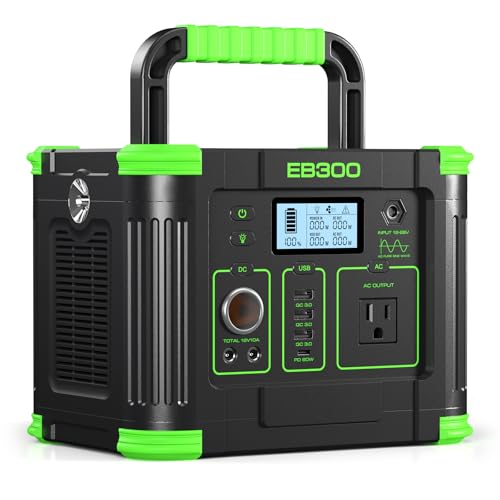
The GRECELL unit delivers 288.6Wh with a 330W continuous output and nine ports, including a 60W USB-C PD and a wireless charging pad. It’s designed for campers who want to run small appliances alongside multiple devices and charge via wall, car, or solar. Best for: high-output needs in a single compact hub. Caution: heavier than some ultra-portables, consider transport for backpackers.
Buying Guide: Key Purchase Considerations
What capacity do you need? Choose a unit with enough watt-hours to cover your typical devices for the planned duration. For short trips, 80–300Wh may be enough; for longer off-grid adventures, aim for 300–600Wh or more.
How many outputs and ports matter? If you rely on multiple devices, look for units with a mix of AC outlets, USB-C PD, USB-A, and DC ports. Consider additional features like wireless charging or car ports for versatility.
What charging options are available? Units that support wall charging, car charging, and solar charging offer the most flexibility. Solar compatibility can be a strong advantage for off-grid camping.
Portability vs. power: lighter units are easier to carry but may have lower capacity. Heavier models often provide more power and more outlets. Balance weight with your backpacking or vehicle setup needs.
Safety and reliability: look for built-in Battery Management System (BMS), overcharge protection, and robust casings. LiFePO4 chemistry offers longer cycle life, but many models use different chemistries with varying lifespans.
Frequently Asked Questions
- What is a leisure battery for camping? A portable energy unit that stores electrical power for off-grid use, including charging devices and powering small appliances during camping or emergencies.
- How many devices can a power station run at once? Most models support multiple outputs simultaneously, but wattage limits and port types determine how many devices can run in parallel.
- Can I recharge these with solar panels? Yes, many models support solar charging, though solar panel compatibility and charging time vary by unit.
- Are these safe for CPAP machines? Most models with pure sine wave inverters and appropriate wattage can safely run CPAP machines; verify the device’s power draw first.
- What’s the best option for travel? For travel with light device needs, smaller 88Wh to 150Wh units are easiest to carry. For longer trips or more gear, 200Wh+ units are preferable.