The buyer intent is clear: find lightweight, synthetic-filled sleeping bags that stay warm in cooler nights without heavy bulk. This guide highlights five top options suited for backpackers, families, and casual campers who value warmth, packability, and reliability. Each pick notes who it’s best for and why, plus a practical caveat. A quick comparison table helps you decide at a glance.
| Product | Brand | Best For | Weight (approx.) | Temp Range (approx.) |
|---|---|---|---|---|
| TETON Trailhead 20° | TETON Sports | Backpackers needing loft and compressibility | Lightweight (varies) | Around 20° |
| ECOOPRO Warm Weather | ECOOPRO | Warm-weather trips with rain risk | Ultra-light, compact | Warm weather, packable |
| MalloMe Sleeping Bags | MalloMe | Family use; versatile for kids and adults | Light to mid-weight | 50–77°F (comfort) |
| iClimb 3M Thinsulate | iClimb | Three-season adventures; moisture management | Ultralight | Comfort ~41°F |
| Kelty Cosmic 40° | Kelty | Budget-friendly, reliable warmth | Compact | 40° |
TETON Trailhead 20 Degree Sleeping Bag

Best for high-loft warmth in a compact mummy design. The hood helps retain heat around the head and face, while a zipper draft tube and vaulted footbox improve comfort and warmth. The double-brushed liner enhances softness for a better night’s sleep. The bag is designed to be lightweight and highly compressible, ideal for minimalists and fast-packers.
- Best for: Backpackers who need a warm, packable solution for cool nights.
- Why selected: Combines warmth with a streamlined mummy shape and easy stuffing into a compression sack.
- Caution: May feel snug for taller sleepers; check length before purchase.
ECOOPRO Warm Weather Sleeping Bag
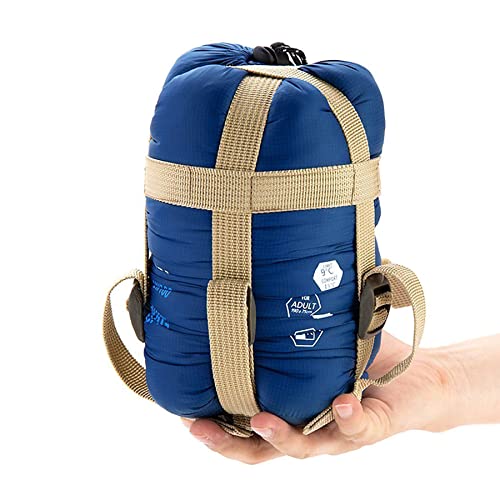
Best for warm-weather camping with rain risk due to waterproof outer and compact design. It’s designed to be easily rolled and compressed to a small height, making it a strong choice for minimalist backpackers who still want weather resistance and easy transport.
- Best for: Dry, warm trips where rain protection is a plus.
- Why selected: Waterproof and weatherproof shell with a lightweight, compact profile.
- Caution: Rated for warmer conditions; use in colder nights may require layering or a warmer bag.
MalloMe Sleeping Bags

Best for families and versatile use across seasons. This bag accommodates adults and kids with a temperature range toward 50–77°F, targeting year-round comfort. It features a waterproof outer shell and synthetic fill designed to retain warmth when damp, with a light overall weight for easier carrying.
- Best for: Families or multi-user setups needing a flexible bag.
- Why selected: Budget-friendly with broad sizing and consistent warmth for varying conditions.
- Caution: Heavier than some ultralight options; check your carry capacity.
iClimb 3M Thinsulate Insulation
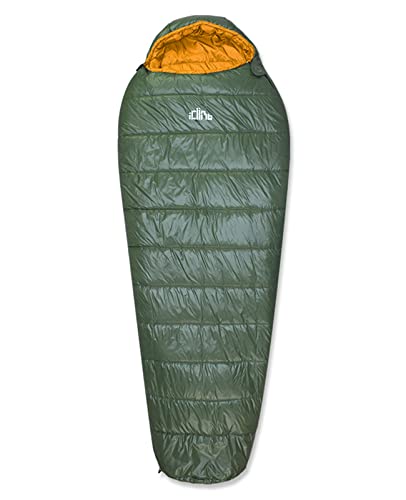
Best for three-season adventures with moisture management. The 3M Thinsulate fill provides warmth without bulk, and a cinchable draft collar plus 3D footbox improves heat retention and comfort. The shell is water-resistant, making it suitable for damp environments.
- Best for: Backcountry trips where moisture control matters and weight matters.
- Why selected: Synthetic insulation delivers reliable warmth with a compact, ultralight profile.
- Caution: Temperature rating is a guide; adjust with clothing and ground insulation on colder nights.
Kelty Cosmic Synthetic 40°

Best for budget-conscious hikers needing reliable warmth down to 40 degrees. The Cirroloft synthetic fill maintains loft and warmth, while the integrated compression stuff sack keeps packing simple. It is a practical option for those who want warmth without a big price tag.
- Best for: Budget backpacking where warmth and packability are priorities.
- Why selected: Strong synthetic insulation with good loft and a compact pack size.
- Caution: Comfort rating is at the upper end of the bag; consider layering for cooler nights.
Buying Guide: Light Synthetic Sleeping Bags
What to look for in a light synthetic bag
Key factors include insulation type, loft, shell material, weight, compressibility, and fit. Synthetic fills insulate when wet and dry quickly, while lighter shells reduce overall weight but may sacrifice durability. A roomy footbox and draft tubes help with heat retention and comfort.
Who should buy a light synthetic bag?
Backpackers seeking minimal weight without sacrificing warmth, campers who camp in damp conditions, families needing versatile options, and travelers who require easy care and quick drying.
How to compare bags quickly
- Weight and compressibility: Look for bags advertised as lightweight or with compact stuff sacs.
- Temperature rating vs. comfort: Use a conservative estimate; plan for nights that are 10–20°F cooler than expected.
- Durability: If you’re rough with gear, favor ripstop shells and reinforced stitching.
Are synthetic bags better than down?
Synthetic bags perform better when wet, dry faster, and are generally easier to maintain. They are typically heavier than down for the same warmth, but modern synthetics offer competitive warmth-to-weight ratios for casual to mid-range backpacking needs.
Care and maintenance tips
- Air out after use and dry fully to prevent mildew.
- Store loosely in a cool, dry place rather than stuffed in a small sack.
- Clean with mild detergent if needed; avoid fabric softeners that can degrade insulation.
FAQ
- What is the best bag for wet conditions? A synthetic-filled bag is preferable because it retains warmth when damp and dries faster than down.
- How warm should my sleeping bag be? Choose a bag rated for at least 10–15°F warmer than the coldest night you anticipate, or layer for flexibility.
- Is a 20-degree bag suitable for backpacking? Yes, for cool nights in mild climates; consider a liner or additional clothing for colder nights.
- How should I pack my sleeping bag? Use its stuff sack for transport, then unpack and loft it in the camp for better warmth retention.
- What size should I choose? Taller sleepers should choose a bag with extra length; most regulars fit up to 6 feet, but verify measurements.
- Are these bags suitable for kids? Some models are, but check length, weight, and temperature ratings to ensure safe use for children.