Answering the need for dependable off-grid power, these lithium ion camping batteries deliver safe, long-lasting energy for RVs, boats, tents, and small off-grid setups. The top picks emphasize long cycle life, good safety features, and compatibility with solar and outdoor use. Best for campers seeking deep-cycle capacity, high reliability, or compact portable power are highlighted below. A quick buying table follows to compare core specs at a glance.
| Product | Best For | Key Benefit |
|---|---|---|
| MEYULMOL 12V 300Ah LiFePO4 | RVers and Marine Enthusiasts | Up to 15000+ cycles, high energy, low-temp protection |
| NERMAK 12V LiFePO4 2-Pack | Budget-Conscious Home and Outdoor Use | 2000+ cycles, solid built-in BMS |
| EnginStar Portable Power Station 300W | Lightweight Campers | 296Wh, multiple outputs, easy to transport |
| MARBERO Portable Power Station 88Wh | Backyard, RV, Weekend Trips | Compact, eight outputs, charging versatility |
| PUPVWMHB 12V 300Ah LiFePO4 | Solar Homes and Off-Grid Systems | Bluetooth monitoring, scalable up to larger systems |
MEYULMOL 12V 300Ah LiFePO4 Battery

This large-capacity LiFePO4 battery is engineered for long endurance with automotive-grade cells and a robust 200A BMS. It emphasizes a 10-year-plus lifespan and over 5,000 deep cycles, making it ideal for full-time RV setups or marine installations where reliable power is essential. Use cases include solar-powered camping rigs and off-grid cabins looking for a steady, renewable energy source. Best for campers who need substantial energy storage and extended service life.
Who it’s for: Outdoor lovers who plan extensive trips or seasonal use and require high cycle life with sturdy protection against overcharging, over-discharging, and short circuits. Why selected: its high capacity (3840Wh) plus a low-temperature cutoff helps protect batteries in cold climates, reducing performance loss in chilly mornings.
Caution: Check external controller compatibility and ensure proper 12V system integration to maximize cycle life. Data indicates extended use above ambient limits can affect performance; use within recommended temperature ranges.
NERMAK 2-Pack 12V LiFePO4 Deep Cycle Battery
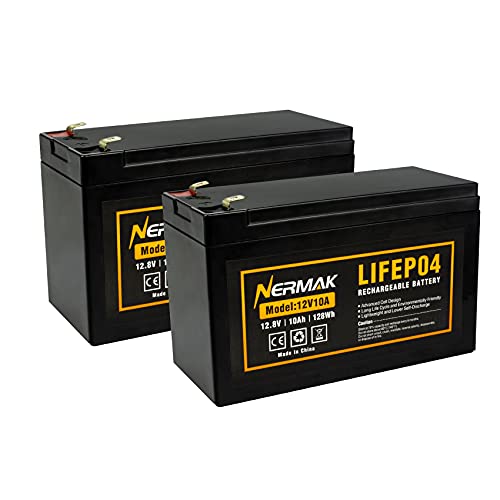
This pair of 12V LiFePO4 batteries focuses on dependable, safe power for solar setups, lights, scooters, and small electronics. Features include built-in BMS protection against overcharge, over-discharge, and short circuit, with low self-discharge for long storage. Best for small to mid-scale off-grid tasks where two batteries provide a practical, cost-effective energy bank.
Who it’s for: Off-grid enthusiasts and hobbyists who want reliable backups for lighting, routers, or small appliances without frequent recharging. Why selected: long cycle life (2,000+ cycles) and safety features make it a straightforward upgrade over lead-acid units.
Caution: Pre-plan for discharge depth; while cycle life is strong, extremely deep discharges can reduce lifespan if repeatedly sustained.
EnginStar Portable Power Station 300W

This compact power station packs 296Wh with two 110V pure sine wave outlets and multiple DC/USB ports. Its portable form (about the size of a small book bag) suits campers who want dependable electricity for phones, laptops, CPAP devices, or cameras on weekend trips. Best for lightweight, ready-to-go power on the trail or campsite.
Who it’s for: Campers who prioritize portability and ease of use. Why selected: multiple output options plus a user-friendly LCD readout help manage power on the go. Caution: AC output is limited to 300W peak, so avoid running high-wattage appliances simultaneously.
MARBERO Portable Power Station 88Wh

MARBERO offers a slim, highly portable 88Wh unit with eight outputs, including USB ports and a built-in battery management system. It’s designed for quick charging and practical power in outdoor settings, camping trips, or as a lightweight backup for RVs. Best for micro-camps or as a supplement to larger solar arrays.
Who it’s for: Those who want a compact, ready-to-use power source for essentials when space and weight matter. Why selected: the broad output mix supports charging multiple devices at once, and the USB-C PD port provides faster charging for newer devices. Caution: The 88Wh capacity may require frequent recharging on extended trips with heavy power draw.
PUPVWMHB 12V 300Ah LiFePO4 Battery

This 12V 300Ah LiFePO4 unit features an embedded Bluetooth app for real-time monitoring of current, voltage, temperature, and cycles. It supports expansion through series/parallel connections for larger systems and a maximum energy projection of up to 61.44kWh. Best for solar-powered off-grid homes or large camping installations needing scalable capacity.
Who it’s for: Builders of bigger off-grid or RV solar setups who want remote battery monitoring. Why selected: the Bluetooth monitoring plus the capability to scale up to higher voltages and capacities makes it a strong candidate for long-term installations. Caution: Ensure compatibility with your solar charge controller and safety guidelines when wiring multiple units.
Buying Guide
What to consider when choosing a lithium ion camping battery
- Capacity and energy needs: For RVs and boats, larger capacities (Ah and Wh) reduce recharge frequency. Smaller units suit lightweight camping or backup power.
- Chemistry and safety: LiFePO4 offers stability, longer cycle life, and safer chemistry than many other lithium types. Look for a strong BMS with overcharge, over-discharge, overcurrent, and short-circuit protections.
- Cycle life and longevity: A higher cycle count typically means longer overall lifespan. Consider the expected cycles under real-use conditions and how the battery ages.
- Temperature tolerance: Low-temperature cutoffs help prevent lithium plating in cold environments. Ensure the battery is rated for your camping climate.
- Portability vs. power: Portable power stations are great for quick trips; larger LiFePO4 packs suit extended off-grid camping or home solar systems.
- Expandability: For campers planning long-term off-grid living, batteries that can be wired in series/parallel to achieve higher voltage and capacity offer flexibility.
- Monitoring and control: Built-in BMS and app-based monitoring add convenience and safety, especially for remote camping setups.
Frequently Asked Questions
- What is the main advantage of LiFePO4 batteries for camping?
– They offer high safety, long cycle life, and stable performance in a wide temperature range, making them reliable for off-grid use. - How many cycles can I expect from a LiFePO4 camping battery?
– Typical ranges are 2,000 to 10,000+ cycles depending on the model and usage; higher-end cells generally last longer with proper care. - Can I connect multiple batteries for more capacity?
– Yes. LiFePO4 batteries can be connected in series or parallel to increase voltage or capacity, but ensure compatible BMS and wiring. - Do I need a dedicated solar charge controller for solar charging?
– Often yes. Use a controller matched to the system’s voltage and current to optimize charging and protect the battery. - Are portable power stations as durable as fixed batteries?
– Portable units are designed for travel and ease of use but typically have lower total energy than large fixed packs; they are ideal for portability and quick access to power. - What should I avoid with LiFePO4 batteries?
– Avoid prolonged exposure to extreme temperatures beyond the rated range and deep discharges beyond recommended depth of discharge.