Find sleeping bags that reliably perform in low temperatures for cold-weather adventures. This guide highlights five options well-suited for winter and shoulder-season use, covering extreme comfort, warmth retention, and packability. The best picks balance temperature ratings with practical features like size, weight, and ease of care. Ideal buyers include tall or broad-shouldered campers, weekend winter hikers, and travelers seeking compact, durable gear.
| Product | Temperature / Comfort Notes | Best For |
|---|---|---|
| 0 Degree Winter Sleeping Bags for Adults Camping (Rioyalo) | 5°F – 32°F (comfort 32°F; limit 15°F; extreme 5°F) | Big and tall, cold sleepers, car-camping |
| HiZYNICE 0 Degree Sleeping Bag | 0°F extreme, 15°F limit, 30°F comfort | Winter camping, oversized sleepers |
| ShinHye 0 Degree Sleeping Bag | 0°F comfort; 14°F limit; 90″ length, XXL | Big and tall, severe cold nights |
| SoulOut 3-4 Season Sleeping Bag | All-season insulation for spring-fall-cool summer | Versatile 3-4 season use, budget-friendly |
| Oaskys Camping Sleeping Bag | 3-season design, designed for 10–20°C range | Multiple seasons, general outdoor use |
0 Degree Winter Sleeping Bags for Adults Camping (Rioyalo)

Best for tall and big sleepers who need extra length and width. Rioyalo’s bag uses 450GSM micro fiber fill with a 100% premium shell to deliver warmth across a broad temperature range. The bag is reported as lightweight for its size, with a foldable design and included compression sack. Note that the compression sack is inside the bag and may require full unwrapping to access it. This option is ideal for campers who value space and easy packing on extended trips.
- Best for big and tall users who need generous dimensions.
- Better for car camping or vehicle-supported trips due to weight and size.
- Care note: machine washable; follow cold wash and tumble dry low guidelines.
Caution: Although rated for cold temperatures, comfort can vary by individual. Use appropriate layering and shelter to maximize warmth in extreme conditions.
SoulOut 3-4 Season Sleeping Bag

SOULOUT’s 3-4 season design targets spring through cooler summer nights and fall conditions. Outer shell offers water resistance, while the interior lining is soft and cozy for skin-friendly warmth. The insulation is high-loft and suitable for variable climates, making it a versatile choice for a range of outdoor adventures. This bag is best for hikers and campers who want a single bag for a broad weather window without specialized temperature expectations.
- Best for transitional seasons and mixed-weather trips.
- Better for travelers who want a single bag across multiple trips.
- Limitation: not a dedicated extreme cold solution; expect comfort in mild-to-cool nights.
HiZYNICE 0 Degree Sleeping Bags for Adults

HiZYNICE targets extreme-conditions winter camping with a 0°F extreme rating and 30°F comfort temperature. The bag features a soft cotton flannel lining and a draft tube along the zipper to reduce heat loss. It’s designed for big sleepers up to 6’7″ with a generous 90″ by 39″ footprint and a right zip. Best for those who need a roomy interior and extra warmth in harsh conditions, this model emphasizes a snug fit and easy access.
- Best for tall, broad-shouldered sleepers needing added warmth.
- Better for predictable cold nights in winter camping or snow trips.
- Limitation: heavier and bulkier than compact lightweight bags.
ECOOPRO Warm Weather Sleeping Bag
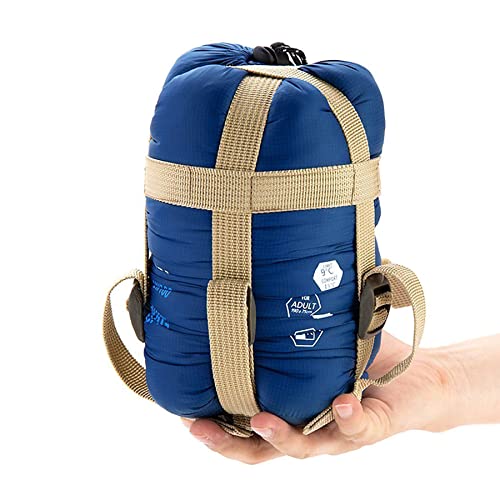
ECOOPRO offers a weatherproof and compact option with a waterproof nylon outer shell and breathable polyester lining. The bag’s dimensions (83 inches long by 30 inches wide) support most adults, and it compresses to a small height for easy packing. It’s lighter than many 0°F bags, making it a good choice for backpackers who prioritize packability and quick-drying fabric in mild-to-cool conditions.
- Best for backpackers who need a compact, weatherproof bag in milder cold.
- Better for warm-to-cool nights rather than extreme cold.
- Limitation: not designed for extreme winter temperatures.
Coleman Brazos 20/30°F Sleeping Bag

Coleman’s Brazos line targets cooler climates with a Fahrenheit rating around 20–30°F. It features a Thermolock draft tube to minimize warmth loss along the zipper and is sized for campers up to 5’11”. This option suits budget-conscious buyers who still want a dependable bag for cool nights and weekend trips. It’s a straightforward, durable choice for general camping use.
- Best for budget-minded campers needing reliable cool-weather warmth.
- Better for shorter individuals or those comfortable with standard dimensions.
- Limitation: not ideal for extreme winter conditions.
Buying Guide: How to Choose the Right Low-Temp Sleeping Bag
- Temperature ratings: Understand comfort, limit, and extreme temperatures. Your comfort temperature should align with your typical sleeping environment and sleep warmth needs.
- Size and fit: Big and tall sleepers require longer and wider bags. Check total length, shoulder width, and footbox room to avoid restricted movement.
- Insulation type: Synthetic fills retain warmth when wet and are easier to care for; consider down only if weight and packability are paramount and you stay dry.
- Shell and lining materials: Water resistance and breathability help with damp nights. A soft lining enhances comfort for longer trips.
- Weight and packability: If you hike to your campsite, prioritize lighter bags with compact compression sacks. For car camping, size and warmth may take priority.
- Care and maintenance: Machine-washable fabrics save time on cleaning; follow manufacturer care instructions to maintain loft and warmth.
- Seasonality: For all-season use, choose bags that offer a wide temperature range and flexible venting options (zippers that open for ventilation).
- Durability: Look for reinforced zippers and robust shells if you expect rugged outdoor use or frequent setup/teardown.
Frequently Asked Questions
- What does a 0°F sleeping bag mean for me? Answer: A 0°F bag is designed for very cold environments. Comfort will vary by person; layering and shelter quality greatly influence actual warmth.
- Are synthetic sleeping bags better in wet conditions? Answer: Yes. Synthetic insulation resists moisture and dries faster than many down options, making it a safer choice in damp environments.
- Is a bigger bag always warmer? Answer: Not necessarily. Warmth depends on insulation, material quality, and how well the bag fits you. A too-large bag can trap air inefficiently, while a snug bag can help retain heat.
- Should I choose a 3-4 season bag or a dedicated winter bag? Answer: For mixed conditions, a 3-4 season bag provides flexibility. For constant winter use in freezing environments, a dedicated winter bag with a lower comfort rating is preferable.
- How important is the sleeping bag’s compression sack? Answer: A functional compression sack improves packing efficiency and reduces bulk, aiding portability on longer trips.
- How should I care for a low-temperature sleeping bag? Answer: Use cold water washing, a gentle cycle, and a low-heat tumble dry as recommended by the manufacturer to preserve loft and warmth.