Finding the right marine solid fuel stove means prioritizing safety, wind resistance, and fuel efficiency in tight spaces. This guide highlights five solid fuel and related stoves and fuels suited for boats, yachts, and other watercraft. The top picks fit different sailors, from emergency-ready setups to everyday on-deck cooking. Read on to compare each option, who it’s best for, and key trade-offs.
| Product | Best For | Why It Stands Out |
|---|---|---|
| Dickinson Marine Solid Fuel Heater for Newport | On-deck heating and light cooking for small cabins | Solid fuel heater designed for marine exhaust and chimney requirements; robust safety features for steady performance. |
| RecDec 2 Pack Solid Fuel Stove Portable Compact Mini | Minimalists and travelers needing portable solid-fuel options | Includes two collapsible stoves; palm-sized and easy to store. |
| Gas One GS-3400P | Emergency preparedness kits and versatile camp/off-grid cooking on board | Dual-fuel design with propane or butane compatibility and ignition system. |
| Jetboil Jetpower Fuel (2-pack) | Fuel efficiency and dependable performance in cold or windy conditions | High vapor pressure fuel for consistent boiling, especially with Jetboil systems. |
| BlueFire Isobutane Fuel Canister (4-Pack) | All-season, all-altitude stove fueling | Blend of isobutane, propane, and butane for steady pressure and reliable starts. |
Dickinson Marine Solid Fuel Heater for Newport

The Dickinson Marine Solid Fuel Heater is designed for small cabins on boats and uses solid fuel with a dedicated chimney layout. Best for boaters who need a compact, steady source of heat with limited deck space. It helps maintain warmth in cool evenings and can support light cooking in a pinch when the galley is busy.
Why this is a good pick: It specifies chimney length and placement, which is crucial for safe operation at sea. The recommended 6-foot straight runs and a barometric damper option support stable draft and reduce backflow in close quarters. Best for sailors who prioritize marine-specific installation guidance.
Who it’s best for: Sailors with a fixed install on a mid-sized vessel and a preference for a dedicated solid-fuel heating solution rather than a generic stove.
Limitations: Requires proper ducting and chimney components. Improper installation could affect airflow or heat distribution. Always follow manufacturer installation instructions to ensure safe operation on a moving vessel.
RecDec 2 Pack Solid Fuel Stove Portable Compact Mini

RecDec’s 2-pack solid fuel stove offers portability and simplicity. This option is ideal for sailors who want a lightweight, palm-sized stove they can stash in a locker and deploy when the galley is occupied or when ash-free cooking is needed in a tiny space.
Why this is a good pick: The product page emphasizes portability and a compact footprint. The two-stove package suits short trips or backup cooking options, allowing you to rotate between stoves or use one while the other stays cool for safety.
Who it’s best for: Small skiffs, weekend boats, and travelers who value portability over long continuous cooking sessions.
Limitations: The design favors light cooking rather than heavy-duty meal prep. Ensure the solid fuel type you use aligns with the stove’s ignition and pan support capabilities.
Gas One GS-3400P Dual Fuel Stove
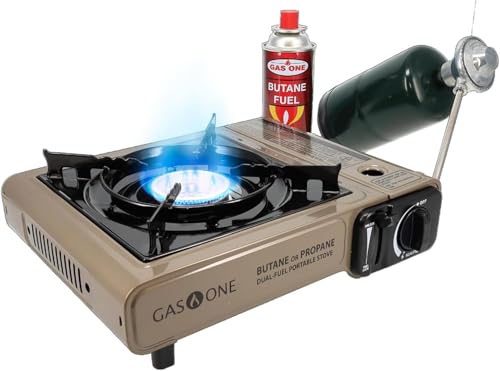
The Gas One GS-3400P is a versatile dual-fuel stove that works with butane or propane canisters, making it a flexible option for marine emergencies or routine cooking. Its built-in ignition and adjustable heat control support quick meals in windier conditions or when power is limited on deck.
Why this is a good pick: The dual-fuel capability increases reliability by offering two common marine fuels. The built-in ignition minimizes the need for external tools, which is beneficial on a rocking boat where handling lighters can be hazardous.
Who it’s best for: Boats that carry standard camp fuels and want a stove that can switch between propane and butane, especially when supply lines vary in different routes.
Limitations: Fuel canisters are not included. If you are in cold weather or at high altitude, performance may depend on fuel canister quality and ambient conditions.
Jetboil Jetpower Fuel (2-Pack)
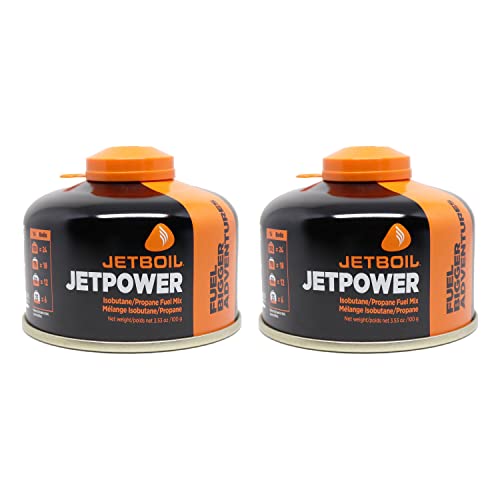
Jetboil Jetpower Fuel provides high vapor pressure for quick, reliable boils in all-weather marine conditions. A two-pack of 100-gram canisters is designed to complement Jetboil and similar systems, helping ensure fast water boils during cold cruises or windy evenings.
Why this is a good pick: High vapor pressure improves performance in cold weather and at higher altitudes, making it a dependable fuel in challenging maritime conditions. It’s compact and easy to store on deck.
Who it’s best for: Sailors using Jetboil or compatible systems who want efficient, fast boils in variable marine climates.
Limitations: It is fuel-specific and requires compatible equipment. Store and handle according to safety guidelines to prevent leaks or pressure buildup on board.
BlueFire Isobutane Fuel Canister (4-Pack)

BlueFire Isobutane Fuel Canisters blend isobutane, propane, and butane to deliver stable vapor pressure and reliable performance in varied conditions. A four-pack supports longer trips or multiple events on deck, with a compact 3.8 x 3-inch footprint for easy storage.
Why this is a good pick: The multi-gas blend helps maintain steady performance in cold weather and at higher altitudes, making it a versatile choice for all-season marine use. The individual canister cap helps prevent leaks during transport and storage.
Who it’s best for: Sailors who require dependable, all-season fueling across different fuel systems and want to keep spare canisters on board.
Limitations: Must be used with compatible stoves or burners designed for isobutane blends. Ensure storage remains dry and upright when at sea.
Buying Guide: Key Considerations for Marine Solid Fuel Stoves
What to consider when choosing a marine stove
Boat space, weight limits, and ventilation are critical. Choose compact models that fit your galley or cabin layout and avoid setups that create clutter or block safety exits. Safety features, such as built-in ignition, stable bases, and proper chimney guidance, are essential aboard moving vessels.
Fuel type and availability
Solid fuels vary from wood and solid tablets to liquid alcohol and gas canisters. On a boat, gas canisters and alcohol stoves are common for quick meals, but you must ensure proper storage and ventilation. For heating, a marine-specific solid-fuel heater with a dedicated chimney is preferable to general-purpose stoves.
Installation and safety
Marine installations should comply with vessel codes and safety standards. Ensure the chimney or vent path is clear of obstructions, has appropriate dampers, and is securely mounted to withstand rolling seas. Avoid loose or flammable items near any heat source.
Performance in marine conditions
Wind, humidity, and rolling motion affect stove performance. Look for stoves or fuel systems rated for cold weather and high-vibration environments. Quick ignition, even heat distribution, and consistent boil times are advantageous for meal planning at sea.
Maintenance and replacements
Regular cleaning and inspection help prevent fuel leaks and ensure efficient operation. Keep spare parts, filters, or gaskets handy, especially for emergency kits. If you rely on a dual-fuel system, have backup fuels available in case of supply disruptions.
Summary of recommended choices
- Best for marine heating and solid-fuel reliability: Dickinson Marine Solid Fuel Heater for Newport
- Best portable backup: RecDec 2 Pack Solid Fuel Stove Portable Compact Mini
- Best all-around stove versatility: Gas One GS-3400P
- Best for quick boils in cold conditions: Jetboil Jetpower Fuel (2-Pack)
- Best all-season fuel options: BlueFire Isobutane Fuel Canister (4-Pack)
FAQs
- Can I use any solid fuel on a marine stove?
Not all solid fuels are compatible with marine stoves. Use fuels recommended by the manufacturer and ensure proper ventilation and chimney safety to prevent fumes or fire hazards at sea. - Do marine stoves require special installation?
Yes. Marine stoves and heaters typically require specific mounting, heat shields, and chimney configurations designed for vessel movement and safety standards. - Is dual-fuel advantageous on a boat?
Yes. Dual-fuel stoves can operate with multiple fuel types, which helps during fuel shortages or in varying weather and storage conditions on board. - What maintenance is needed for marine stoves?
Regular cleaning, checking seals and gaskets, and ensuring vent paths remain clear are essential. Inspect for leaks and corrosion after trips on saltwater. - How should fuel be stored on a boat?
Store fuels in approved containers, upright and secured, away from heat sources and living quarters. Follow the boat’s safety and ventilation guidelines for storage.