When you need fast, reliable gear for short-term emergencies or outdoor adventures, a micro bug out bag can be a smart starting point. These compact kits emphasize portability, essential tools, and quick access. They’re ideal for hikers, travelers, or anyone wants a lightweight, readiness-minded setup without lugging a full pack. Below are five carefully chosen micro-bug-out items that balance utility, durability, and value for different situations.
Overview of top picks at a glance:
| Product | Best For | Why It Stands Out |
|---|---|---|
| Mini Survival Fishing Kit | Outdoor anglers and hikers | Compact, versatile line and hooks kit for fishing in varied spots |
| Atwood Rope Ready Rope Micro Cord Dispenser | Preppers and campers | Ready-to-use cord with built-in cutting blade and storage |
| Sirius: Bug Out Bag Starter Kit | New preppers building a go-bag | Comprehensive starter kit with durable pack and US-made food & water |
| Lovelinks21 25L Tactical Backpack | Everyday carry plus bug out | Lightweight yet rugged with MOLLE and organized compartments |
| Bug Out Bag Premium Kit | Full 72-hour readiness | Extensive items and a high-capacity 50L backpack |
Mini Survival Fishing Kit – Compact Emergency Gear

Best for: Hikers and travelers who want a lightweight fishing option. This kit is ideal when fishing spots vary and you need adaptable gear without bulk. It’s specifically designed for portability while delivering a broad range of hooks and accessories.
What makes it a strong pick: It weighs only 2 oz and measures 9×6×2 cm, making it easy to stash in a glove box, pack, or pocket. The kit includes a full line (164 ft), 70 hooks from #3 to #12, 30 red bead attractors to mimic fish eggs, plus a float and knife. This combination supports varying fish sizes and conditions, delivering practical fishing readiness in a compact form.
Limitations to consider: While versatile, the tiny container may require careful organization to avoid tangling and ensure quick access during a run or hike. For heavy angling extremes, you may still want a larger selection of lures.
Atwood Rope Ready Rope Micro Cord Dispenser

Best for: Preppers and campers needing ready-to-use cord with simple storage. The built-in cutting blade and integrated storage are designed to speed up setup or fire-starting tasks in the field.
What makes it a strong pick: It includes 125 ft of micro cord rated at 100 lb test, with a built-in cutting blade, a cord lock, and a gear loop for attachment to a bug-out bag. The integrated storage helps keep matches or small tools close at hand, improving readiness in a compact form factor.
Limitations to consider: The product is cord-based; for some tasks, you may need other materials like wire or paracord in different diameters. Ensure you have enough cord for your anticipated uses.
Sirius: Bug Out Bag Starter Kit
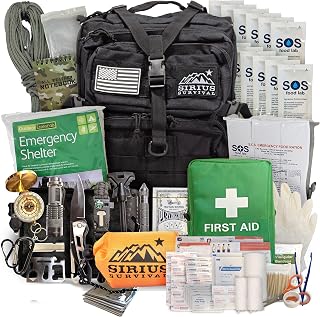
Best for: Individuals planning to build a complete go-bag from a solid starting point. This kit aims to expedite setup while avoiding complete redesigns of the basics.
Why it stands out: The kit features a high-density 900D Oxford 50L survival backpack, noted for durability and utility. It includes US-made food rations and comprehensive bug-out essentials like lighting, medical supplies, shelter, and navigation basics. It emphasizes peace of mind by covering a broad range of survival needs in one ready-to-deploy package.
Limitations to consider: Being a starter kit, it’s designed to be customized further for climate and location. Additional personal medications or location-specific gear may still be required.
Lovelinks21 25L Tactical Backpack

Best for: Everyday carry and light bug-out scenarios. This compact 25L pack blends durability with organization, ideal for daily use or short excursions.
Why it’s selected: The backpack uses 900D oxford fabric with water-resistant PVC lining, helping protect contents from moisture. The MOLLE system allows attachment of extra pouches or tools, and its multiple pockets and two bottle holders help keep items accessible and organized.
Limitation to consider: While sturdy, the bag’s capacity is relatively modest; larger emergency kits may require additional pouches or a larger pack for extended stay scenarios.
Bug Out Bag Premium Kit

Best for: Those seeking a comprehensive 72-hour readiness solution in one package. Suitable for families or individuals prioritizing a broad set of survival items and a sturdy backpack.
What sets it apart: Marketed as a top-to-bottom kit, it emphasizes a complete approach to preparedness with food, water, medical supplies, shelter, tools, and more. The 50L backpack offers generous space to add personal items or customize for climate and location.
Limitations to consider: The claim of “two people in a kit” may require evaluating how much of the kit is shared versus added individually. Consider personal needs and local risks when expanding the kit.
Buying Guide: Key Considerations for Micro Bug Out Bags
- Intended use: Choose based on travel frequency, climate, and typical environments. Lightweight options suit day hikes, while larger packs suit multi-day outages.
- Weight and size: Prioritize compactness for rapid access. Ensure you can carry or stash items without overburdening yourself.
- Durability: Look for water resistance, rugged zippers, and strong fabrics. A sturdy bag or container protects contents in rough conditions.
- Modularity: MOLLE compatibility and external pockets help you tailor the bag to your location and mission.
- Essential items balance: Ensure a mix of shelter, food/water, tools, lighting, and first aid. Personalize based on health needs and local risks.
- Scalability: Start with a starter kit and gradually add items for a more robust go-bag, considering climate and potential threats.
- Maintenance: Regularly check gear for wear, replace expired food or batteries, and refresh water supplies as needed.
Frequently Asked Questions
- What should I include in a micro bug out bag? A compact kit should cover shelter, water, food, fire-starting tools, signaling devices, a basic first aid kit, a knife, a light source, and a means to navigate or communicate.
- How heavy should a micro bug out bag be? Aim for a weight you can carry comfortably for extended periods. Start light and add items as needed, balancing weight and usefulness.
- Is a bug out bag the same as a survival kit? A bug out bag is specifically designed for rapid evacuations and mobility, while a survival kit may be broader or tailored to a fixed location or scenario.
- How often should I update my kit? Check gear quarterly and after seasonal changes. Replace expired food, batteries, and any worn equipment.
- Do I need a professional backpack for bug-out use? Not always, but a purpose-built bag with durable materials and ergonomic design can improve comfort and access during emergencies.
- How do I tailor a micro kit to my location? Consider climate, local risks (floods, wildfires, earthquakes), water sources, and typical wildlife. Add items that address these specific needs.