Answering a buyer’s search for reliable military down sleeping bags, this guide highlights five top options chosen for durability, warmth, and field practicality. These bags suit serious outdoor lovers, survival prepper kits, and service-members or enthusiasts seeking modular systems for varying temperatures. The selected products emphasize modularity, weather resistance, and dependable insulation to perform in extreme conditions. Below you’ll find concise why-to-choose notes, ideal use cases, and practical comparisons to help you pick with confidence.
Product snapshot
| Product | Best For | Temperature Range | Notes |
|---|---|---|---|
| USGI Gear Military Sleeping Bag System | Savvy responders and modular system fans | 50°F to -50°F | 4-piece system with waterproof bivy and stuff sack |
| OneTigris Bushcrafter’s Sleeping Bag | Backpacking hikers and casual campers | 46.4–59°F (8–15°C) | 3-season mummy design with quick-dry shell |
| Tennier Gilette Very Warm ECW Sleeping Bag | Cold-weather enthusiasts and collectors | Subzero range | US military issue style with full insulation |
| Generic Cold Weather Military Bag (Intermed -10°F) | Budget-conscious buyers needing modular compatibility | -10°F and below | Rugged 500D nylon with goose down fill |
| US Military Modular System Green Patrol Bag | Long-duration field ops | Standard patrol temps | Long, wide dimensions for ample space |
USGI Gear Military Sleeping Bag System
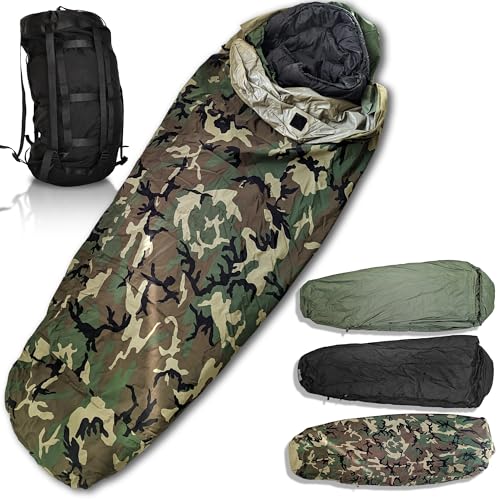
This 4-piece modular system covers a wide temperature range from 50°F down to -50°F, making it a versatile choice for users who want to tailor insulation in response to weather. Best for survival kits, military or tactical setups, and campers who value a complete, all-weather solution. The bivy cover adds wind and moisture protection, while the durable 210T ripstop fabric and YKK zippers prioritize field reliability. A caution: the system’s weight can be substantial when all components are carried together, so plan packing accordingly.
OneTigris Bushcrafter’s Sleeping Bags

Designed for three-season use, this mummy-style bag suits hikers and casual campers who want warmth without extra bulk in mild cold. It features a 300T pongee outer shell and 190T lining with 7oz polycotton insulation for durable performance and quick drying. The anti-snag YKK zippers with a cord-stopped hood reduce cold drafts. Choose this if you prefer a compact, easy-to-pack option; avoid if temperatures consistently drop well below freezing or you need extreme-heat shedding features.
Tennier Gilette Very Warm ECW Sleeping Bag

This bag channels classic military insulation with a long, tapered profile and full warmth for extreme cold. It mirrors Government-issue styling and emphasizes robust insulation that helps retain heat in damp environments. Best for collectors and those needing a traditional cold-weather silhouette. A limitation: information on exact fill weight is not provided, so expect substantial bulk and weight compared to modern synthetic alternatives.
Generic Cold Weather Military Sleeping Bag

This surplus-style bag emphasizes rugged build with 500D nylon and premium goose down. It’s suitable for users who want a standalone cold-weather bag with modular compatibility within a system. Best for budget-conscious buyers seeking a durable base for a modular setup. Limitations include a lack of explicit temperature rating in some listings, so usage should be planned around general cold-weather expectations rather than a precise sub-zero guarantee.
US Military Modular System Green Patrol Sleeping Bag
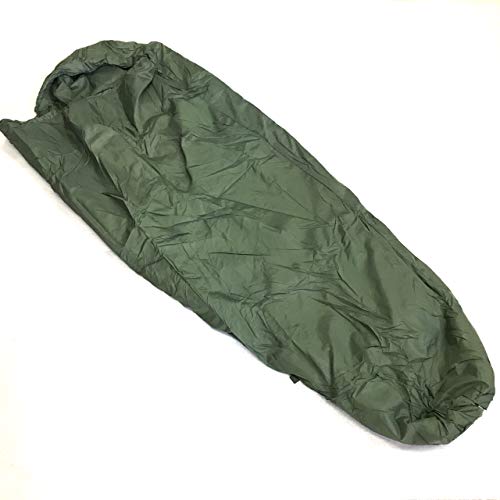
This long and wide patrol bag is designed for extended field use with generous dimensions (92″ long, 37″ at the widest). Best for long-term patrols and shelter setups where space is a priority. It’s part of a modular system, making it easy to pair with other components for enhanced versatility. A potential drawback is its size and weight, which can complicate carry when solo trekking or in lightweight packs.
Military Modular Sleep System 4 Piece

This four-piece set with a Goretex bivy cover targets all-weather field performance, spanning a wide temperature range from 50°F to -50°F. It’s built in the USA and labeled military issue, appealing to buyers prioritizing domestically produced gear. Best for bundles that require reliable weather protection and full coverage. A caution: Goretex bivy add-ons can add to packing bulk in lighter-weight treks.
Buying Guide: Key Purchase Considerations
- Temperature range and insulation type: Consider whether you need down or synthetic fill, and ensure the rated temperature aligns with your typical outdoor conditions.
- Modularity and compatibility: If you want to mix and match components, confirm the system’s compatibility with other modular bags or bivy covers.
- Durability and weather resistance: Look for ripstop fabrics, water-repellent coatings, and durable zippers to ensure field reliability.
- Weight and packing efficiency: Modular systems can be heavier; balance warmth with portability for your trips.
- Length and width: Ensure a comfortable fit, especially for extended stays or when layering with a sleeping pad.
- Maintenance and care: Check if components are machine washable or require specific cleaning methods to extend life.
Frequently Asked Questions
- What should I consider first when choosing a military down sleeping bag?
- Is a bivy cover essential for extreme cold?
- What’s the advantage of a modular sleep system over a single bag?
- How important is weight in a field sleeping setup?
- Can these bags be used for non-military camping?
- Do these bags require special maintenance?