Answering the question: the best mini camping stoves that burn wood are compact, lightweight, and reliable options for outdoor cooking when you want to avoid gas canisters. These stoves are ideal for hikers, backpackers, and emergency kit builders who value low fuel dependence and easy portability. The top picks below emphasize portability, durable construction, and compatibility with common cookware. A quick buying table follows to help you compare key specs at a glance.
| Product | Best For | Fuel Type | Weight | Folded Size |
|---|---|---|---|---|
| Ohuhu Camp Stove Wood Burning | General camping and emergency use | Wood/solid fuel, can use gas | ~0.98 lbs | Compact, portable |
| Hovico Lightweight Wood Stove | Backpacking and long treks | Wood, twigs, leaves | Lightweight | Foldable |
| G4Free Folding Wood Stove | Pocket-ready and quick setup | Wood | Lightweight | Folds flat |
| VEVOR Camping Wood Stove | Medium to large cookouts outdoors | Wood | Relatively heavy but sturdy | Includes accessories |
| Kuvik Titanium Wood Stove | Ultralight backpacking | Wood | Very light | Collapsible to slim profile |
Ohuhu Camp Stove Wood Burning Stove
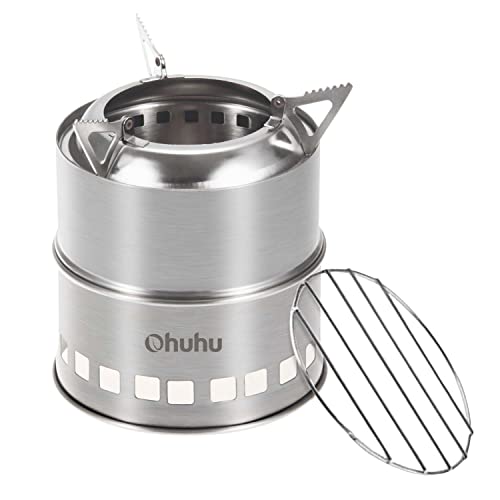
This stove is compact, lightweight, and designed for fast setup, ideal for campers who want minimal gear weight. It weighs about 0.98 pounds and assembles in seconds without tools. The stainless steel construction supports pots and pans and a detachable plate for stability. Best for: casual campers, weekend hikers, and emergency kits that prioritize portability over rugged terrain use. Limitation: energy efficiency can vary with wind conditions and fuel quality.
Hovico Lightweight Wood Burning Stove

Built to withstand rugged backpacking, this stove uses hardened stainless steel and accepts fuel from natural sources like wood, twigs, and leaves. It emphasizes durability and an unlimited fuel source, making it suitable for longer trips where carrying fuel is impractical. Best for: hikers who prefer a traditional wood fuel approach and want to minimize pack weight while maintaining reliability. Caution: performance depends on ambient fuel availability and weather conditions.
G4Free Folding Wood Stove
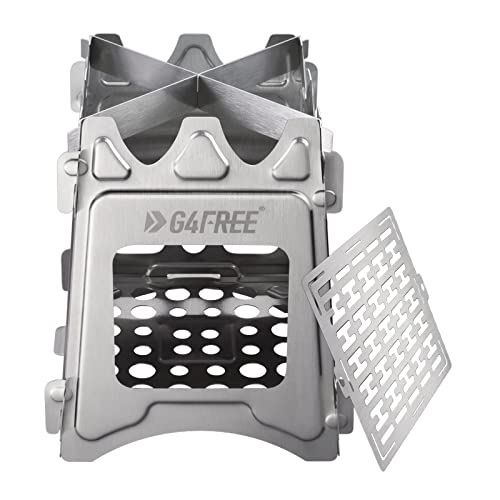
This stove offers a foldable, portable design with a stable stainless steel frame and a dedicated opening for wood addition. It is designed for easy ventilation and efficient burning, making it a practical choice for quick, on-the-go meals. Best for: travelers who want a compact stove that packs flat and sets up quickly. Limitation: may require careful balance with wider pots on smaller fuel bases.
VEVOR Camping Wood Stove

VEVOR’s model features a high-capacity 640in³ firebox and eight accessory items, including chimney pipes and gloves. It has large shelf space for cooking and a heat-conduction plate for efficient flame transfer. Best for: campers who want a sturdy, multi-use stove for bigger meals or group cooking. Caution: heavier than other mini stoves, which may affect pack weight for ultralight hikers.
Kuvik Titanium Wood Stove

Made from Grade-1 titanium, this ultralight stove collapses to a slim 0.2 inches thick and weighs about 6.8 ounces. It uses natural campsite materials for fuel and includes a carry case to prevent soot transfer. Best for: ultralight backpackers and minimalist campers who prioritize weight savings and quick setup. Limitation: titanium construction can be pricier, and fuel availability matters in remote areas.
Buying Guide
What should you consider when choosing a wood-burning mini camping stove? Start with weight, foldability, and wind resistance. A lighter stove improves carry comfort, while a compact footprint helps in small packs. Wind is a major factor for wood-burning stoves; look for stoves with good air intake and stable bases. Fuel flexibility matters too; some models accept twigs and leaves, while others rely on solid fuel tablets or combined options.
Durability and materials affect reliability in wild conditions. Stainless steel and titanium offer different balances of strength, corrosion resistance, and weight. If you expect longer trips or group cooking, a high-capacity firebox and optional accessories can be a practical advantage. For ultralight travelers, titanium stoves provide the best weight savings, though price is higher.
Ease of use and setup speed are practical considerations. Stoves that fold to a flat profile or assemble in seconds reduce camp setup time. Consider cookware compatibility: ensure the stove supports the usual pot and pan sizes you carry. Finally, evaluate portability extras like carrying bags or included grates, which can improve pack organization and stove stability.
How to choose by use case
- Backpacking and ultralight trips: Kuvik Titanium or G4Free for flat packing and quick deployment.
- Hiking and weekend trips: Ohuhu or Hovico for lightweight carry and easy setup.
- Group cooking or larger meals: VEVOR with its larger firebox and accessories.
- All-around reliability: Ohuhu offers general versatility across fuel types.
Fuel flexibility and sustainability
Wood fuel aligns with eco-friendliness and availability in many backcountry areas. Some stoves accommodate solid fuel tablets or alcohol in addition to wood, offering more options if wood is scarce. Opt for models with stable cooking platforms to prevent tipping when simmering sauces or boiling water.
Maintenance and safety tips
- Clean ash and residues after use to prevent corrosion and maintain airflow.
- Inspect the support grid and connections before each trip to ensure stability.
- Use gloves when handling hot parts and fuel sources near the firebox.
FAQ
- Are wood-burning stoves as efficient as gas stoves? They can be efficient for small meals in outdoor settings, but efficiency depends on wind, fuel quality, and stove design.
- Is titanium always worth the extra cost? For ultralight backpacking, yes, because of weight savings; for casual trips, stainless steel may be more budget-friendly.
- Can these stoves use anything other than wood? Some models support solid fuel tablets or alcohol, but check the manufacturer’s guidelines for safety.
- Do these stoves require assembly? Most listed models assemble quickly and do not require tools, but always confirm setup steps before a trip.
- Which stove is best for beginners? Ohuhu and G4Free offer straightforward use and good stability for new campers.
- How important is weight vs. durability? Balance your needs: ultralight stoves save weight but may have fewer features, while sturdier models handle heavier cookware and longer outings.