When you need a reliable, portable hand washing solution, these mobile stations offer hygiene, convenience, and setup flexibility for sites without permanent plumbing. Ideal for outdoor events, construction sites, camping, and temporary work zones, each option focuses on touchless or easy-to-use designs. This guide highlights five top picks, who they’re best for, and practical considerations to help you decide.
Summary table of selected products:
| Product | Capacity | Key Feature | Best For |
|---|---|---|---|
| KoolMore 16 Gallon Single Mobile Hand Washing Station | 16 gal fresh / 17.17 gal waste | Foot pump operation, dual tanks | Busy outdoor events, job sites |
| 16 Gallon Mobile Hand Wash Station – Single – Base Unit | 16 gal fresh / optional configurations | Self-contained with optional dispensers | Flexible placements, temporary setups |
| Mobile Hand Wash Station, 16 Gallon, Single Sink with Soap and Paper Towel | 16 gal fresh / 16.5 gal waste | Soap and towel dispensers included | High-traffic outdoor events |
| YITAMOTOR Portable Sink 17L | 17 L fresh / 6.3 gal recovery | Foot pedal operation, foldable towel holder | Water-scarce areas, travel needs |
| SereneLife Portable Hand Washing Station | 17 L fresh / 24 L waste | Hands-free foot pump, drain hose | Outdoor events, camps, work sites |
KoolMore 16 Gallon Mobile Hand Washing Station
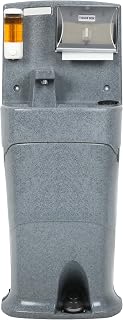
Best for outdoor events and job sites. This freestanding unit provides a complete handwashing solution without plumbing. It uses a hands-free foot pump to operate the faucet, reducing surface contact and promoting hygiene in high-traffic areas. The dual-tank system—15.85 gallons of fresh water and 17.17 gallons of waste water—supports longer use between refills, making it suitable for events and construction settings where frequent handwashing is needed.
Who it’s best for: Organizers and managers who need a self-contained, mobile solution with minimal maintenance and clear hygiene benefits.
Limitations to consider: The unit’s size may require adequate space for setup and maneuvering on uneven terrain. Ensure wheels and grab handles are suitable for your environment.
16 Gallon Mobile Hand Wash Station – Single – Base Unit

Better for flexible placements. This self-contained base unit emphasizes portability with integrated fresh and waste water tanks and offers optional configurations, including soap and paper towel dispensers for added convenience. Its sturdy construction supports repeated use in commercial and industrial environments, and smooth surfaces simplify cleaning.
Who it’s best for: Site managers needing optional dispenser configurations and easy relocation without plumbing ties.
Limitations to consider: If you require a ready-made dispenser setup, verify available optional configurations before purchase.
Mobile Hand Wash Station, 16 Gallon, Single Sink with Soap and Paper Towel Dispensers

Best for high-traffic outdoor events. This gray unit includes a 16-gallon fresh water tank and a 16.5-gallon waste tank, making it well-suited for busy venues with limited restroom access. The hands-free operation is facilitated by a foot pump, reducing contact points and supporting better hygiene practices. Complete station features include a 34 oz. foam soap dispenser and a multifold paper towel dispenser with a 400-towel capacity.
Who it’s best for: Event organizers seeking an all-in-one station with soap and towel dispensers included.
Limitations to consider: Capacity is solid for events, but longer runs may require refills or waste disposal planning to avoid interruptions.
YITAMOTOR Portable Sink 17L

Best for water-scarce areas. The 17 L fresh water capacity is complemented by a 6.3-gallon recovery tank, which aids in easy drainage and mobility. A 3 L soap dispenser and foldable towel holder make it a compact yet capable wash solution for garden visits, worksites, camping, or travel. The unit uses high-quality, food-safe HDPE and PP materials for safe use.
Who it’s best for: People needing a compact, travel-friendly station with decent water management and a built-in soap option.
Limitations to consider: Recovery tank capacity is modest; plan for disposal when operating off-grid for extended periods.
SereneLife Portable Hand Washing Station

Best for camps and busy job sites. This station provides a large 17 L fresh water tank paired with a 24 L waste tank to support many washes before refilling. It runs without the need for plumbing or electricity and sets up quickly at campsites, RVs, and outdoor events. The hands-free foot pump ensures a steady flow while keeping hands free for other tasks. A drain hose adds flexible disposal options.
Who it’s best for: Camp coordinators and outdoor event planners seeking a reliable, self-contained unit with ample waste capacity.
Limitations to consider: Heavier base and larger footprint may require more storage space on smaller sites.
Buying Guide: How to Choose The Right Mobile Hand Washing Station
- Water capacity vs. usage needs: Consider fresh and waste water tank sizes relative to event length and expected hand washes per hour. Larger tanks reduce refill frequency but require more space.
- Self-contained vs. plumbed: For locations without plumbing, choose self-contained units with integrated tanks and waste reservoirs. If plumbing is available on site, a simpler, lighter station may suffice.
- Operation type: Hands-free foot pump reduces contact with surfaces, promoting hygiene. If accessibility is a concern, verify ease of use and stability on uneven terrain.
- Dispenser inclusion: Soap and towel dispensers add convenience. Check capacity and compatibility with your preferred soap types and towel formats.
- Portability and durability: Look for wheels, grab handles, and sturdy construction designed for frequent relocation and transport on work sites or event venues.
- Setup time and footprint: Some stations are compact and quick to deploy, while others have larger footprints. Match footprint to site space and traffic flow.
- Maintenance needs: Smooth surfaces and easy-access tanks simplify cleaning. Consider how you’ll drain, refuel, and sanitize between uses.
- Intended environment: Choose weather-resistant materials for outdoor use and consider temperature effects on water flow and dispenser performance.
Frequently Asked Questions
- Do mobile hand washing stations require plumbing? No. Most models are self-contained with their own fresh and waste water tanks, designed for areas without permanent plumbing.
- Which station is best for high-traffic events? Stations that include soap and towel dispensers and larger waste tanks tend to perform best in busy settings.
- Is hands-free operation mandatory? Not mandatory, but it improves hygiene by reducing contact points. If not available, ensure easy access to touchless operation.
- Can these stations be used indoors? Yes, provided there is enough space and ventilation. Always check local guidelines for temporary installations.
- What maintenance should I plan for? Regular cleaning of surfaces, monitoring water levels, and scheduling waste disposal as needed depending on usage.
- How do I choose the right capacity? Estimate expected washes per hour and event duration; choose a configuration with enough fresh water and waste capacity to minimize refills.