Answering the demand for a restful night outdoors, these top backpacking pads focus on comfort, weight, and packability. Best for backpackers seeking a compact, supportive surface, these picks balance thickness, insulation, and ease of setup. The ideal buyer ranges from ultralight hikers who value minimal weight to car campers prioritizing extra padding and warmth.
Summary table of chosen products:
| Product | Type | Why It Stands Out |
|---|---|---|
| Gear Doctors Ether 17.5oz Ultralight Pad | Ultralight inflatable | High comfort with 76″ x 25″ surface and 440 lb capacity |
| FUN PAC Camping Sleeping Pad | Ultralight with built-in pillow | Self-inflating, quick setup, wide for side sleepers |
| ApolloAir 5.2 R-Value Pad | Insulated inflatable | Low-pack footprint with strong warmth for four seasons |
| Therm-a-Rest Z Lite Original | Closed-cell foam | Durable, compact, affordable classic warmth |
| OGERY 6″ Thick Pad | Ultralight with built-in pump | Extra thick for comfort with quick inflation |
Gear Doctors Ether 17.5oz Ultralight Sleeping Pad

The Gear Doctors Ether pad emphasizes portability and comfort for backpackers who need a compact, high-capacity sleep surface. It inflates quickly, supports up to 440 lb, and offers ergonomic contouring with edge-specific thickness. Best for hikers who want a spacious feel without a heavy pack, and for travelers who value a quick, lung-free setup.
- Best for: Ultralight backpackers who still want a roomy 76″ by 25″ sleeping area.
- Why selected: Lightweight at 17.5 oz with robust durability from 20D nylon and TPU coating.
- Caution: Slightly higher price point and larger packed size than ultra-minimal pads.
FUN PAC Camping Sleeping Pad With Pillow

The FUN PAC pad pairs a built-in pillow with a self-inflating design that inflates in 30–60 seconds. Its extra-wide 78″ by 27″ surface and 8″ thickness provide ample support for back and side sleepers. Suitable for hikers seeking a balance between comfort and weight, as well as travelers who want quick setup without extra gear.
- Best for: Campers who want a built-in pillow and fast inflation.
- Why selected: Large surface for side sleepers plus a simple 1-second deflation.
- Caution: Slightly bulkier when packed compared with the slimmest pads.
Gear Doctors ApolloAir 5.2 R-Value Pad

The ApolloAir pad stacks high insulation with compact form. It inflates quickly using a pump sack and packs to a small diameter, leaving more space in a backpack for other gear. This is a good pick for campers who expect cool nights and want reliable warmth without carrying bulk.
- Best for: Backpackers who need strong warmth-to-weight ratio and quick setup.
- Why selected: 5.2 R-Value insulation, compact carry, and included repair kit.
- Caution: Pump sack and kit add a bit of extra packing size compared to ultra-slim options.
Therm-a-Rest Z Lite Original
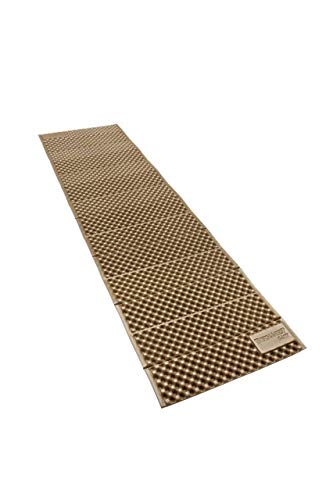
The Z Lite Original uses durable closed-cell foam with foldable accordion construction. It’s a budget-friendly option that remains lightweight and highly packable, delivering dependable warmth in a rugged, non-inflatable form. Best for minimalist hikers and those who want a simple, no-maintenance pad.
- Best for: Budget-conscious campers who still need warmth and reliability.
- Why selected: Proven durability, compact folding design, no pumping required.
- Caution: Less cushioning and insulation than inflatable pads; may feel firmer on rough ground.
OGERY 6″ Thick Sleeping Pad

The OGERY pad offers a robust 6″ thickness with a built-in foot pump. Its 79″ x 27.5″ surface provides generous room and a dual-layer valve for rapid inflation and minimal leaks. Best for campers who prioritize maximum comfort and quick setup in a compact footprint.
- Best for: Campers who want a thick, plush night’s sleep and easy inflation.
- Why selected: Large surface area with good weight capacity and built-in pump for convenience.
- Caution: Heavier than lighter ultralight pads, which may affect backcountry pack weight.
Oramoose Camping Sleeping Pad

The Oramoose pad emphasizes high pillow support with an 8-inch built-in pillow atop a 4.7-inch body. It provides steadier support for side and back sleepers and supports up to 400 lb. This pad suits campers who want a bed-like feel without sacrificing compactness.
- Best for: Sleepers who need higher head and neck support and overall stability.
- Why selected: Strong fabric and higher pillow height for natural alignment.
- Caution: Slightly bulkier than some ultralight options when packed.
Buying Guide: Key Considerations For Choosing A Backpacking Pad
How thick should a sleeping pad be for backpacking? Thicker pads (4″–6″) offer more cushion and comfort, especially for side sleepers, but add weight and bulk. Ultralight hikers may prefer 2″–3″ pads with good insulation. Consider your sleeping position, ground temperature, and pack weight goals.
What about insulation and temperature rating? Insulated pads (R-value or equivalent) protect against ground chill. For cold-weather trips, aim for R-values of 4 or higher if possible; for milder conditions, 1.5–3 may suffice. Look for pump sacks or built-in pumps to facilitate quick inflation in cold or damp environments.
Inflation method and setup time matter. Pads with built-in pumps or quick-release valves speed setup and minimize effort in chilly weather. Detachable or integrated pumps can reduce breathing effort and lung fatigue during inflation.
Durability and materials. Nylon or TPU coatings resist punctures and moisture. Closed-cell foam options provide durability and instant setup with no pump needed but are heavier and less compact. Consider your terrain (rocky ground, water exposure, humidity) when choosing materials.
Weight and packability. Ultralight pads focus on minimal weight and compact packed size. Heavier pads offer greater comfort but require more careful packing. Compare the packed dimensions and weight to your backpacking goals.
Comfort features and convenience. Built-in pillows, dual-layer valves, and repair kits add value, especially on longer trips. A long surface area helps distribute weight evenly and reduces pressure points.
FAQ: Quick Answers For Backpacking Pad Buyers
- What is the best sleeping pad for side sleepers? Pads with extra thickness (4″–6″) and built-in pillows typically provide better alignment and pressure relief for side sleepers.
- Do I need an insulated pad in summer? In warm weather, insulation is less critical, but a pad with a moderate R-value can still improve comfort on cool ground or nights with dew.
- Are inflatable pads better than foam? Inflatable pads offer higher cushioning and lighter weight for the same thickness, while foam pads are maintenance-free and highly durable.
- How important is pump mechanism? Integrated pumps speed setup and reduce breath effort, especially in cold or damp conditions where mouth inflation is uncomfortable.
- What should I consider for a long backpacking trip? Prioritize a balance of thickness, insulation, weight, and a reliable pump system, plus a compact packed size and a repair kit if possible.
- Can these pads double as a floor sleeping mat at a campsite? Yes, many of these pads function as sleeping mats on hard ground, providing a stable surface for tents or bivy setups.