No-see-um bug netting is essential for anyone wanting to enjoy gardens, campsites, patios, or outdoor work without tiny biting insects intruding. This article highlights five top products that balance fine mesh protection with breathability, durability, and ease of use. Each selection targets different user needs—from gardeners and outdoor enthusiasts to homeowners protecting windows and doorways. Read on to find options that fit your environment and lifestyle.
Buyer note: for gardens and field use, look for fine denier mesh and wide coverage. For wearable head nets, prioritize fit and comfort. For windows and porches, focus on roll length, weave tightness, and installation versatility. The table below compares the highlighted products at a glance.
| Product | Best For | Key Benefit | Notable Limitation |
|---|---|---|---|
| Skeeta No-see-um Netting 54 Wide X 5 Yards | Gardeners and patio users | Wide width and long roll for quick coverage | Black mesh may be less visible to some users |
| Mosquito No-See-um Midge Netting By Skeeta | Insect protection in tents and beds | 20 denier ultra-fine mesh | White color may show dirt more easily |
| No-See-Um Small Insect Screen – 36″ x 25′ Roll | Windows, doors, porches | 15–20% tighter weave than standard screens | Fiberglass material may require careful handling |
| Anvin Mosquito Head Net Mesh | Outdoor activities with face protection | Roomy fit over hats with elastic drawstring | Designed as a head net; full face coverage not included |
| Skeeta Mosquito No-See-um Netting 54″ Wide X 5 Yards (Slate Grey) | General bug protection | Durable ultra-fine mesh | Slate grey color may blend with surroundings differently |
Skeeta No-See-Um Netting 54 Wide X 5 Yards

Best for: gardeners and outdoor spaces needing quick, wide coverage. This Skeeta model uses a 54-inch wide, 5-yard roll to cover beds, plant protections, or cover tents. The fabric is a durable no-see-um mesh designed to block the smallest insects while allowing airflow. Choose this if you want a straightforward, economical option for larger area coverage without creating bulk.
Why selected: its wide width lets you create multiple protective panels or enclosures with fewer seams. It’s an easy add-on for DIY insect protection around gardens and outdoor equipment. The material is lightweight to minimize heat buildup while staying effective against tiny pests.
Caution: handling should avoid tearing the fine mesh; store rolled to prevent creases that could weaken the fabric over time.
Mosquito No-See-Um Midge Netting By Skeeta 54″ Wide

Best for: insect protection in tents, greenhouses, and bed nets. This Skeeta product uses a 54″ width and 5-yard length with a 20 denier ultrafine mesh, suitable for enclosing small spaces and creating breathable barriers against no-see-ums and midges.
Why selected: the fine 20 denier mesh is optimized for protection while maintaining airflow, which helps keep sleeping areas or workspaces comfortable. It’s a practical choice for seasonal insect control in gardens and research settings.
Caution: the white mesh may show staining more easily, requiring regular cleaning to maintain visibility and airflow.
No-See-Um Small Insect Screen – 36″ X 25′ Roll
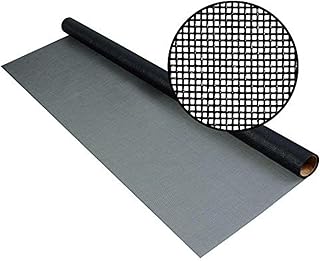
Best for: windows, doors, and porch enclosures. This fiberglass mesh roll provides a tighter weave than standard screens, improving protection against tiny pests while keeping airflow intact.
Why selected: the fiberglass mesh offers durability against weather exposure and is versatile for DIY repairs or upgrades to home screens. It works well for coastal or marshy areas where no-see-ums thrive.
Caution: fiberglass mesh can be more fragile than polymer alternatives; avoid sharp folds during cutting to prevent tears.
Anvin Mosquito Head Net Mesh for No See Ums

Best for: outdoor activities where face and neck protection is paramount. This head net is designed to be worn over most hats, with an elastic drawstring to cinch the bottom for a snug fit around the neck and face.
Why selected: the roomy design accommodates various hat styles and speeds up setup for hikes, camping, or fishing trips. It provides a clear view and good airflow while keeping insects at bay.
Caution: this product focuses on face and neck protection; it does not provide full head coverage beyond the net over the hat, so consider pairing with other clothing for full-body protection in high-infestation areas.
Skeeta Mosquito No-See-um Netting 54″ Wide X 5 Yards (Slate Grey)

Best for: general bug protection with a color option that blends into outdoor environments. This slate grey mesh maintains the same 54″ width and 5-yard length as other Skeeta nets, offering consistent barrier performance.
Why selected: the slate grey color can be less conspicuous in natural settings while preserving protection quality. It’s suitable for prolonging outdoor activities without noticeable gear changes.
Caution: color preference may affect how easily you notice dirt or wear, so plan for occasional cleaning to retain visibility and airflow.
Buying Guide: Key Considerations for No-See-Um Netting
- Mesh Denier and Density: Higher denier and finer mesh blocks tinier insects but may reduce airflow slightly. Match your climate to balance protection and ventilation.
- Coverage and Size: Wider rolls and longer lengths reduce the number of seams and are easier to deploy over larger spaces or objects.
- Material Type: Polyester nets are lightweight and durable, while fiberglass mesh can offer strong screen performance for windows and doors.
- Application: Choose bed nets and tent netting for sleeping areas; window screens for homes; and head nets for active outdoor use.
- Color and Visibility: Lighter colors are easy to monitor for dirt; darker colors may blend into surroundings but still provide protection.
- Durability and Care: Consider how the netting holds up under weather exposure and whether it requires gentle handling to avoid tearing delicate mesh.
- Ease of Installation: Look for simple setup methods like roll fabric, drawstrings, or easy-to-fit window frames for faster deployment.
FAQ
- What is a no-see-um netting best used for? – It is used to protect against tiny biting insects like no-see-ums, midges, gnats, and mosquitoes in outdoor spaces, tents, windows, and clothing.
- Which mesh size is typically the most protective? – A finer mesh with higher denier generally offers stronger protection against smaller insects while maintaining airflow.
- Can I use no-see-um netting on windows and doors? – Yes, especially rolls of fiberglass or polyester mesh designed for windows and screen enclosures.
- Is a head net sufficient for outdoor activities? – A head net provides facial and neck protection, but consider additional clothing protection for full-body coverage in heavy insect areas.
- How do I maintain the mesh’s effectiveness? – Store nets rolled, avoid sharp folds, and clean gently to prevent fiber damage or tear formation.
- Are colored nets better for visibility? – Color is a personal preference; darker tones can blend in, while lighter tones show dirt and wear more easily.