Answering the common buyer intent for off-grid living and outdoor setups, this guide showcases propane tanks and compact heaters designed for independence from mains power. The best picks are suited to camping, tiny homes, RVing, and remote cabins. Each option is evaluated for portability, refillability, and ease of use in off-grid contexts. The list includes tanks, refills, and portable heaters that pair well with a propane system away from standard utilities. Use the table below to compare key details at a glance.
| Product | Best For | Notes |
|---|---|---|
| GASLAND BE158 Tankless Water Heater Propane | Off-grid showers and outdoor hot water | CSA certified, 1.58 GPM, 41,000 BTU |
| CAMPLUX BW264B Tankless Water Heater | Camping and remote wash stations | 68,000 BTU, 2.64 GPM |
| Flame King 1LB Empty Propane Cylinder Tank | Refillable camping cylinders | DOT certified refillable 1LB |
| Coleman 2 Pack Propane Fuel Tank – 16 oz | Portable grills and small appliances | USA-made, fits standard appliances |
| AmeriGas Propane Spare Tank, 20 lb | Backup or main fuel for grills | Pre-filled, no exchange required |
GASLAND BE158 Tankless Water Heater Propane

Best for: Off-grid hot water on camping trips or remote cabins. The GASLAND BE158 provides instant hot water with a 1.58 GPM flow at up to 41,000 BTU per hour. It runs on a standard 20 lb liquid propane tank and has electronic ignition powered by two D-cell batteries, making it suitable for outdoor use where utilities are limited. The CSA certification adds safety assurance for U.S. and Canadian standards. A potential limitation is the need for adequate water pressure to start (about 3.6 PSI).
CAMPLUX Tankless Water Heater BW264B

Best for: Outdoor showers and compact RV setups where space is limited. The CAMPLUX BW264B delivers 2.64 GPM at 68,000 BTU, with an LED display for temperature monitoring. Its ECO/FULL knob supports propane conservation when needed. This is a strong choice for off-grid users who require a reliable hot water supply for washing gear, pets, or dishes. A caution: ensure proper ventilation and outdoor operation to avoid gas buildup indoors.
Flame King 1LB Empty Propane Cylinder Tank

Best for: Eco-friendly refillable propane storage when lightweight, portable cylinders are needed. This DOT-certified 1LB refillable cylinder helps reduce waste and is designed for repeated use in outdoor activities. It pairs well with small heaters or stoves used in tents, boats, or backcountry setups. Limitation: 1LB capacity means frequent refills for higher-demand needs, so plan accordingly.
Coleman 2 Pack Propane Fuel Tank – 16 oz
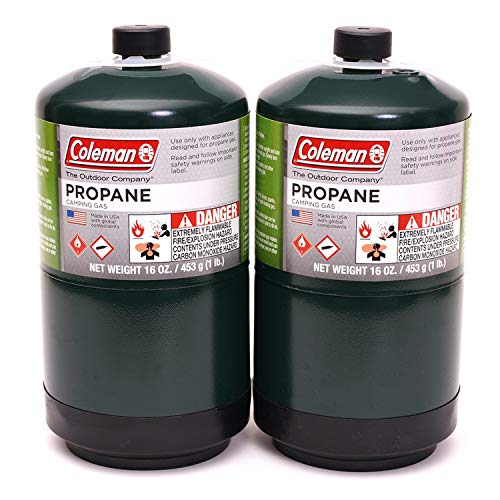
Best for: Portable grills and small outdoor appliances in off-grid setups. These 16 oz tanks are compatible with standard Coleman gear and are USA-made. The compact size makes them easy to carry on trips to campsites or cabins where smaller fuel tanks are preferred. Caution: ensure proper disposal or recycling of spent tanks per local regulations.
AmeriGas Propane Spare Tank, 20 lb

Best for: Back-up or main fuel supply for grills and outdoor appliances in off-grid living or large outdoor setups. The 20 lb spare tank is pre-filled and ready to use without an exchange, making it convenient for immediate needs. Consider: keep spare tanks stored in a cool, ventilated area and rotate stock to maintain freshness and safety.
Buying Guide: Key Off-Grid Propane Tank Considerations
- Fuel capacity vs. usage: Larger tanks provide longer operation between fills, but weigh more to transport. Match capacity to your typical usage cycle.
- Portability: For camping or tiny homes, compact or refillable cylinders reduce bulk and waste while improving ease of transport.
- Refillability and safety: DOT or CSA certifications indicate compliance with safety standards. Refillable options reduce waste but require proper handling and knowledge of refilling procedures.
- Compatibility: Check that tanks fit your heaters, grills, or appliances. Some items require standard CGA connections or specific valve types.
- Off-grid readiness: For showers, stoves, or heaters, ensure you have reliable access to propane supplies and proper ventilation for indoor use if placed in semi-enclosed spaces.
- Storage and safety: Store tanks upright in a ventilated area away from heat sources. Follow local codes for outdoor storage and disposal of empty tanks.
Frequently Asked Questions
- What is the best propane tank for off-grid camping?
– A refillable, portable cylinder (like the 1LB or 16 oz options) offers portability and reduces waste, making it ideal for campers with limited space. - Are refillable propane tanks safe to use?
– Yes, when handled according to DOT/CSA guidelines and manufacturer instructions, refillable tanks are designed for safe transport and use. - How many gallons of hot water can a 1.58 GPM system provide?
– At 1.58 GPM, it can deliver about 1.58 gallons of hot water per minute, depending on inlet water temperature and pressure. - Can I use these tanks indoors?
– Outdoor or well-ventilated areas are recommended for combustion appliances. Always follow appliance and tank safety instructions. - What should I consider when buying a spare tank?
– Consider capacity, refill options, and whether you need a spare for back-up. Ensure you store it safely and in accordance with local codes. - Is CSA certification important?
– Yes. CSA certification indicates adherence to safety standards in both the U.S. and Canada, which is valuable for off-grid setups.