Direct answer: the best padding for tent floors combines thick cushioning, moisture resistance, compact roll-up design, and a non-slip surface. The top picks below are ideal for different buyers—car campers, backpackers, family campers, and RV travelers—so you can choose padding that fits your setup and sleep style. This guide highlights five paddings that balance comfort, durability, and portability to improve sleeping comfort on various tent floors.
Summary of chosen products:
| Product | Best For | Key Benefit | Limitations |
|---|---|---|---|
| Memory Foam Camping Mattress Pad | Car campers and sleepovers | 3 inches of memory foam with waterproof bottom | Heavier, less packable |
| AceCamp Portable Foam Sleeping Pad | Hikers who need compact comfort | Full-length accordion foam, lightweight | Requires careful packing to avoid bending |
| Thick Foam Camping Sleeping Pad | Family or multiple beds | Double-side fluff, wide compatibility | Bulkier when packed |
| Hazli Matrix Memory Foam Pad | Car/RV travelers seeking stability | CertiPUR-US memory foam, portable | Foam density varies by model |
| Drymate XL Tent Carpet Mat | Groundsheets for larger tents | Waterproof, oversized footprint | Not a sleeper pad alone |
Memory Foam Camping Mattress Pad

The Memory Foam Camping Mattress Pad delivers 3 inches of supportive memory foam with a waterproof, non-slip bottom. Best for car campers or sleepovers where a sturdy, cushioned surface is prioritized over ultra-light packing. It provides stable support on uneven tent floors and helps reduce pressure points during extended sleep. A potential drawback is weight and bulk, making it less ideal for backpacking or minimalist setups.
AceCamp Portable Foam Sleeping Pad

Best for hikers or campers needing a compact, foldable sleeping solution. The accordion design makes it easy to pack, and its full length provides torso and hip comfort on rocky or uneven ground. Caution: the pad may not offer enough cushion for taller users on very firm surfaces, and repeated folding can impact durability over time.
Thick Foam Camping Sleeping Pad

Best for families or multiple sleepers who need broad coverage. The Thick Foam Camping Sleeping Pad offers a soft, double-sided surface to enhance comfort on cot or floor sleepers. It’s chosen for its generous dimensions and plush feel, which helps guests enjoy a restful night. Limitation: it is bulkier to transport and store compared with compact foam or rolled options.
Hazli Matrix Memory Foam Pad

Best for car travelers who want memory foam comfort with portable setup. The Hazli Matrix Memory Foam Pad uses CertiPUR-US foam and offers stable sleep on varied tent floors. It’s selected for its balance of support and portability. Caution: foam density can vary between models; verify your chosen option’s density for the desired firmness.
Drymate XL Tent Carpet Mat
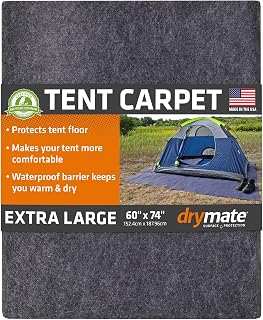
Best as a floor rug for larger tents and to extend living space. The Drymate XL Tent Carpet Mat provides waterproofing and a soft walking surface, making it a practical groundsheet in wet or muddy conditions. It is not a sleeping pad by itself, so pair it with a dedicated pad for sleeping comfort. Limitation: it does not replace an insulated sleeping surface for cold nights.
Buying Guide: Padding For Tent Floors
What padding thickness should you choose?
Thicker padding generally increases comfort and insulation from cold ground. For car camping or guests, 2-3 inches of foam or memory foam offers substantial cushioning. For lightweight backpacking, aim for 1-2 inches or roll-up foam that can fit in a pack.
Material matters: foam vs memory foam vs carpet mats
Foam pads are rugged and affordable; memory foam pads provide contouring support but add weight. Carpet mats add surface coverage and moisture protection but are not sleepers. Choose based on whether priority is comfort, warmth, or moisture management.
Portability and storage considerations
Accordion or roll-up designs save space and simplify packing. For tents with limited floor area, consider narrower pads that offer edge-to-edge cushioning. Heavier pads are better for car or RV setups where weight is not a major concern.
Waterproofing and floor protection
A waterproof or water-resistant bottom helps protect against damp tent floors. For high-humidity sites, pads with sealed covers prevent moisture transfer to the sleeper. Check care instructions to maintain waterproofing over time.
Durability and cleaning expectations
Foam pads resist punctures but may compress with heavy use. Memory foam maintains shape but can be slower to dry after moisture exposure. Look for removable covers or wipe-clean materials for easier maintenance.
Choosing for your setup
Car campers benefit from robust padding with a non-slip bottom. Backpackers prioritize lightness and compact packing. Family or guest setups favor wider, thicker pads for multiple sleepers. RV travelers may prefer a combination of carpet mats and foam pads to cover larger floor areas.
Care and maintenance tips
- Air out pads after use to prevent moisture buildup.
- Protect edges from folding pressure to extend foam life.
- Use a groundsheet or tarp beneath padding in wet conditions.
FAQ
- Q: Which padding is best for cold nights? A: Look for thicker pads (2-3 inches) with memory foam or dense foam and consider a reflective top layer for added insulation.
- Q: Are memory foam pads worth the extra weight? A: For car or RV camping, yes; for backpacking, weight savings may outweigh extra comfort.
- Q: Can I use a padding pad without a sleeping bag? A: A pad provides a sleeping surface, but a bag or liner is recommended for warmth and hygiene.
- Q: How do I clean foam sleeping pads? A: Wipe with mild soap and water, then air dry completely before storage.
- Q: Do I need a moisture barrier with tent carpets? A: A moisture barrier helps in damp conditions but is not a replacement for a sleeping pad.