Answering the need for quick shelter, these pop up bivy tents are designed for solo campers who value speed, compactness, and straightforward setup. The top picks here cater to ultralight backpackers, weekend hikers, and campers who want reliable rain protection without assembling pole frames. This guide highlights five proven options, explains who each tent is best for, and explains why they stand out in terms of setup speed, weight, and weather resistance. A quick buying table below helps compare key specs at a glance.
Quick comparison table
- TGpao Coffee — Ultralight, 2.2 lbs, 2000-3000mm waterproof outer and PU2000mm base, quick setup.
- TGpao Army Green — Similar ultralight bivy with same setup, 3-season use emphasis.
- L RUNNZER Pop-Up Single Mosquito Tent — Mosquito netting, instant pop-up in seconds, 1.9 lbs.
- USGI Industries Bivy Tent — Instant self-deploying design, protected interior mesh and rain fly, compact size.
- Night Cat Pop-up Camping Tent — 3-second setup, supports cot use, compact packaging.
TGpao Easy Set Up Ultralight Bivy Tent — Coffee

Best for ultralight backpackers who want rapid shelter on the trail. This one-person bivy weighs about 2.2 pounds and uses 7001 aluminum poles for a quick, freestanding setup. The outer tent delivers 2000–3000mm waterproof protection with a PU2000mm base, helping it shed rain, snow, and dew. The foldable, durable frame enables fast pitching, and its compact carry bag fits easily in a backpack’s side pocket. Best for solo trips where speed, light weight, and rain resistance matter most.
Who it’s best for: solo hikers, bikepackers, and ultralight travelers prioritizing speed and compactness. Why selected: combines ultralight design with solid weatherproofing and a simple, tool-free setup.
Limitations: as a single-seater, space is minimal; consider warmth and canopy coverage in windy or cold environments.
TGpao Easy Set Up Ultralight Bivy Tent — Army Green

Better for travelers who want the same ultralight setup in a different color, with the same weight and weatherproofing. It suits minimalist backpacking and short overnight trips in mild to moderate conditions. The 7-section aluminum pole design supports quick, stable assembly.
Who it’s best for: color-preferential hikers who still want ultralight portability and quick setup. Why selected: identical core specs to the Coffee variant, offering visual choice without sacrificing performance.
Caution: color choice has no impact on performance; plan for wind protection in exposed campsites.
L RUNNZER Pop-Up Single Mosquito Tent
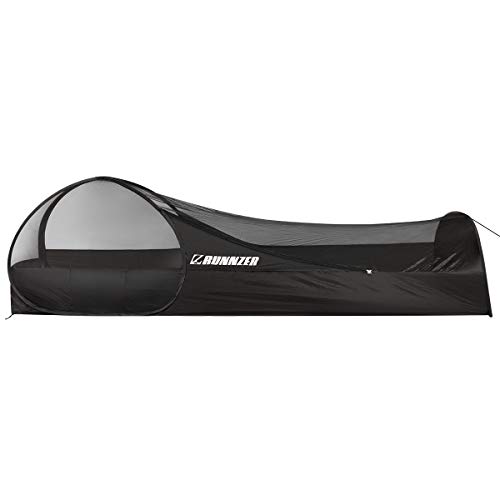
Best for campers who prioritize insect protection and a truly instant setup experience. This tent pops up within seconds and folds into a compact bag, weighing about 1.9 pounds. It provides a large unfolded footprint and fixed corner stakes for stability. It’s a practical choice for warm-weather outings where mosquito protection is a priority.
Who it’s best for: solo campers in mosquito-prone areas or casual backyard/campsite use. Why selected: fastest setup among the group and strong insect barrier for a single occupant.
Caution: not designed for heavy wind or full rain protection on exposed sites; intended more for fair weather or insect protection.
USGI Industries Bivy Tent — Mesh Protection

Best for adventurers who want an ultra-light, self-deploying shelter with integrated mesh protection. This bivy-style tent deploys instantly and includes interior mesh storage and a double rain fly loop system. The interior space is designed to be comfortable for sleeping with a roomy feel for a single occupant.
Who it’s best for: hikers who value quick shelter and built-in protection from insects and wet ground. Why selected: eliminates assembly steps and provides robust protection features for solo use.
Limitations: as an instant deploy shelter, it may offer less headroom than larger tents; verify your height and sleeping arrangement before purchase.
Night Cat Pop-up Camping Tent — 1 Person

Choose this for a rapidly deployed shelter that still accommodates a cot or sleeping pad. The tent promises a 3-second setup with a folding method that reduces package size by about 40% compared with traditional pop-up tents. It’s sized for one person with enough interior space for sleeping gear and a compact cot option.
Who it’s best for: campers who value minimal setup time and a smaller packed size. Why selected: notable for its simplified folding method and cot compatibility for off-ground sleeping.
Caution: while compact, the unit may have limited interior space for taller individuals or bulky sleeping configurations.
Buying Guide: How To Choose The Right Pop Up Bivy Tent
What should you consider when selecting a pop up bivy tent for solo trips? Here are practical questions and recommendations to help you compare options:
- Weight and packability: If you carry a lightweight pack, aim for tents around 1.5–2.5 pounds with compact packaging. Heavier options add load that reduces overall backpacking efficiency.
- Setup speed and mechanism: Instant pop-up designs are ideal for quick shelter during bad weather or after a long day. Freestanding frames simplify placement on hard or uneven ground.
- Weather protection: Look for waterproof ratings (outer tent and base) in the 2000–3000mm range for rain and dew resistance, plus seam construction and rain flies suitable for your climate.
- Interior space and comfort: Consider headroom and floor area to accommodate a sleeping pad and gear. If you’re taller, check the interior dimensions before purchase.
- Ventilation and insect protection: Mesh panels and proper ventilation prevent condensation and improve airflow. Insect protection is essential in warm, humid environments.
- Durability and weather conditions: Aluminum poles offer lightness and rigidity, but ensure stakes and guylines are adequate for expected winds and terrain.
Frequently Asked Questions
- Are pop up bivy tents suitable for winter camping? Some are designed for three-season use; for winter conditions, verify insulation, vestibule space, and wind resistance before choosing.
- How quickly can I set up one person bivy tents? Many models promise setup in seconds to a few minutes, depending on your familiarity and wind conditions.
- Do these tents require stakes or can they be freestanding? Most listed models are freestanding or semi-freestanding but benefit from stakes in windy or uneven ground.
- Can I use these tents with camping cots? Some models are designed to accommodate cots or sleeping pads; check the interior dimensions to confirm compatibility.
- Are these tents waterproof in heavy rain? Look for outer fabric rating and sealed seams; base waterproofing reduces ground leakage. Always test in light rain before a serious trip.
- Which bivy tent is best for insect protection? Models with integrated mesh and full coverage provide the best insect protection for warm climates.