Finding the right portable dump tank for your camper hinges on payload size, maneuverability, and ease of emptying. This guide highlights five Camco Rhino tote tanks that suit different travel styles—from solo campers to full setups with frequent waste-emptying needs. Each option is evaluated for best use cases, potential limitations, and how it fits into typical RV sanitation routines.
| Product | Best For |
|---|---|
| Camco Rhino 36-Gallon RV Tote Tank, 39006 | Max capacity for extended trips or multi-person households |
| Camco Rhino 28-Gallon Camper/RV Tote Tank, 39004 | Balanced capacity with portability for mid-length trips |
| Camco Rhino 21-Gal RV Portable Tote Tank | Compact, easy-to-handle option for small campers |
| Camco Rhino 15-Gal RV Portable Tote Tank | Ultra-compact, best for limited spaces or light use |
| Camco Rhino 36-Gallon Portable Camper Tote Tank, 39007 | Heavy-duty wheels and included accessories for frequent movers |
Camco Rhino 36-Gallon RV Tote Tank, 39006
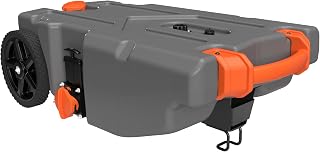
The 36-gallon capacity is ideal for longer trips or households that generate more wastewater between dumps. Best for campers who want fewer pump-outs and a larger tank that reduces on-site tasks. The unit emphasizes durability and straightforward emptying, supported by robust wheels and a practical valve setup. Consider this option if your travel cycle involves remote campsites without frequent dump stations.
Who it’s best for: Families or full-time RVers who value fewer stops and higher capacity. Why selected: Large capacity translates to fewer trips to dump stations. Limitation: Heavier when full, which can affect maneuverability on uneven terrains.
Camco Rhino 28-Gallon Camper/RV Tote Tank

The 28-gallon model balances capacity with easier handling and built-in features, including large heavy-duty no-flat wheels and a gate valve. It also includes a removable steel tow adapter and a 3-foot sewer hose, making it a ready-to-go package for mid-length trips. Better for mid-sized RVs or groups that still want manageable transport to dump stations.
Who it’s best for: Campers who want a solid combination of capacity and mobility. Why selected: The integrated wheels and gate valve streamline setup and maintenance. Limitation: May not be ideal for users needing maximum capacity between dumps.
Camco Rhino 21-Gal RV Portable Tote Tank

This US-made tote offers a compact footprint with practical capacity for smaller campers or light-duty use. It’s a solid choice when space is at a premium but reliability remains essential. The 21-gallon size makes it lighter to maneuver and quicker to empty, which is useful for solo travelers or couples with modest wastewater generation.
Who it’s best for: Solo travelers or tiny-RV setups that prioritize simplicity. Why selected: Compact size reduces handling effort. Limitation: Lower tank capacity means more frequent dumps on longer trips.
Camco Rhino 15-Gal RV Portable Tote Tank

With a 15-gallon capacity, this option is designed for very small spaces or as an auxiliary tank for short trips. It balances portability with sufficient waste capacity for compact setups or seasonal campers. It’s best used when the user prioritizes ease of transport over high dump frequency.
Who it’s best for: Very small campers or occasional use where weight and space are critical. Why selected: Lightest option in the Camco Rhino line. Limitation: Needs frequent dumps on longer stays.
Camco Rhino 36-Gallon Portable Camper Tote Tank, 39007

This variant emphasizes maneuverability with two steerable no-flat front wheels and a built-in gate valve. It includes a removable 24-inch tow bar and a 3-foot sewer hose plus other accessories, making it a robust choice for frequent movers and those who want a turnkey kit. Best for: campers who move locations often and value quick setup.
Who it’s best for: Frequent movers who want easy transport and a complete accessory package. Why selected: Advanced wheels and included tow bar improve on-site setup. Limitation: Larger footprint may be less ideal for tiny spaces or tight campsites.
Buying Guide: Portable Dump Tanks For Campers
Capacity matters: Choose a tank size that aligns with your typical travel duration and the number of occupants. Bigger tanks reduce dump frequency but add weight. Consider how often you can access dump stations and your vehicle’s loading limits.
Wheels and maneuverability: No-flat wheels and steerable front wheels make moving a full tank easier, especially on uneven surfaces. A built-in tow bar simplifies hitch-assisted transport when needed.
Valves and hoses: A reliable gate valve simplifies emptying, and included hoses should be long enough for your dump location. Quick-connect fittings are a plus for faster setup.
Material and durability: Portable tote tanks should withstand road vibrations and exposure to outdoor elements. Look for models with sturdy frames and durable plastic that resists cracking over time.
Compatibility: Ensure the tank size fits your RV’s waste system and storage space. Some models include mounting options or tow accessories that can impact how you store the tank when not in use.
Maintenance: Check for easy access to the valve and removable parts for cleaning. A simple maintenance routine reduces the risk of odors and leaks during travel.
Frequently Asked Questions
- What size tote tank is best for a family of four? A larger capacity, such as 28 to 36 gallons, reduces dump frequency and is often preferred for multi-person trips.
- Are these totes easy to move on uneven surfaces? Models with no-flat wheels and steerable front wheels offer better handling on rough ground, but full tanks are heavier and require careful lifting.
- Do tote tanks come with accessories? Some kits include a tow bar, sewer hose, and gate valve; others may require aftermarket additions for full setup.
- Can I store a tote tank inside my camper when not in use? Yes, most units are designed for internal storage, but verify dimensions against your space and any internal clearance requirements.
- How often should I dump the tank on a typical trip? It depends on tank size, usage, and access to dump stations; plan ahead to avoid overfilling and odors.
- Is the tank made in the USA? Some models are manufactured in the USA; check product listings for specific manufacturing details if that matters to you.