Shopping for a portable propane heater for an RV? This guide highlights five reliable options that balance heat output, safety, and ease of use for frequent travelers. Each pick targets common buyer needs—compact size for limited space, outdoor versatility, or higher BTU output for chilly evenings. The top picks include models ideal for RV living rooms, bedrooms, or small enclosed spaces, with notes on best use cases and potential limitations.
| Product | Best For | BTU | Coverage | Notes |
|---|---|---|---|---|
| Mr. Heater 9,000 BTU Portable Buddy | Medium rooms or RV living areas | 4,000–9,000 | Up to ~225 sq ft | Indoor/outdoor approved; radiant heat |
| Mr. Heater MH9BX | Outdoor-safe, compact spaces | 4,000–9,000 | Up to ~225 sq ft | Altitude caution; auto shut-off features |
| Portable Outdoor Heater, Gasfargo | Small spaces, tents, camping near RV | 9,000 | Small spaces for quick warmth | Self-ignition; works with multiple fuels |
| Mr. Heater 3,800 BTU Little Buddy | Bedroom or small RV nook | 3,800 | Up to ~95 sq ft | Plug-and-play propane heater |
| Heat Hog 4,000 BTU Portable | Garage, shop, or RV entry hall | 4,000 | Up to ~100 sq ft | Angled head for directed heat |
Mr. Heater 9,000 BTU Portable Buddy Radiant Propane Heater
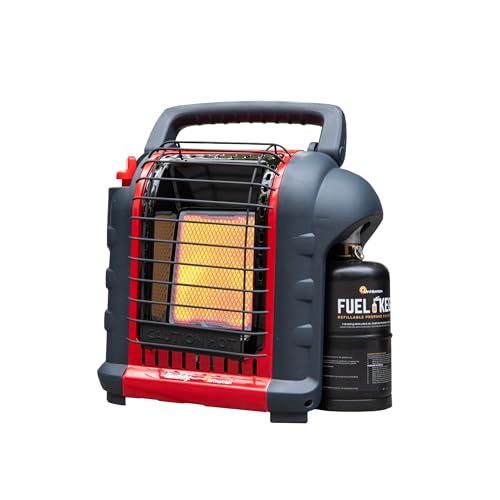
This heater combines 4,000 or 9,000 BTU/hr radiant heat with indoor and outdoor approval. It is designed to heat spaces up to about 225 square feet, making it suitable for mid-sized RV living areas or a well-insulated RV bedroom. Best for users who want flexible heat output and a compact, portable unit that can run on propane without requiring electricity.
Best for: RV dwellers who need a versatile heater for both daytime living areas and overnight warmth. Why selected: strong balance of BTU options and safety approvals. Limitation: radiant heat can feel intense in very small spaces; ensure adequate ventilation.
Mr. Heater MH9BX-Massachusetts/Canada approved portable Propane Heater

This unit offers a 4,000- to 9,000-BTU radiant heater suitable for spaces up to 225 square feet. It’s approved for outdoor use and features clean-burning operation with nearly 100-percent efficiency. Auto shut-off triggers when tipped, pilot light dies, or oxygen levels are low. The MH9BX is a solid choice for RV users who frequently operate in open-air or partially sheltered areas.
Best for: RVers who value safety features in variable environments. Why selected: robust safety shutoffs and high efficiency. Limitation: altitude performance may affect operation above 7,000 feet; plan for high-altitude camping accordingly.
Portable Outdoor Heater, 9000 BTU by Gasfargo

This compact outdoor heater provides 9,000 BTU output with a self-ignition design and compatibility with multiple fuel sources (fuel sold separately). It’s best for RV campsites and tents where quick radiant warmth is needed and the user wants flexibility in fuel options. Best for: campers who travel to remote sites or prefer refilling with different fuels. Limitation: fuel compatibility requires separate purchases; not all fuel types may be readily available on every site.
Mr. Heater 3,800 BTU Little Buddy Portable Radiant Propane Heater
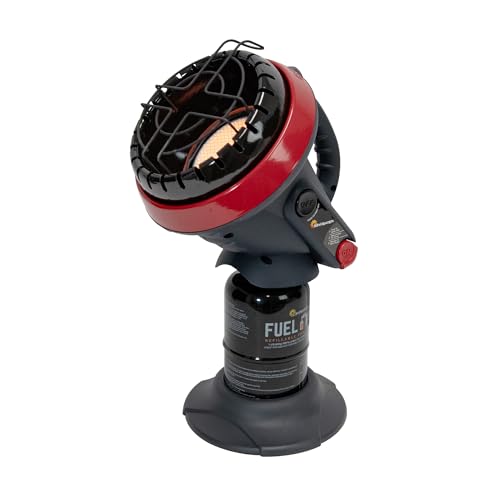
The Little Buddy delivers 3,800 BTU per hour and is designed specifically for propane use to heat up to 95 square feet. It’s ideal for small RV bedrooms or compact living spaces where space is a premium. Best for: solo travelers or couples with tightly spaced interiors. Limitation: smaller space coverage means it may not heat larger living areas effectively.
Heat Hog 4,000 BTU Portable Propane Radiant Heater

This portable radiant heater provides 4,000 BTU and is designed for indoor and outdoor use, including garages, RVs, or outdoor activities. The angled head directs heat where needed, and the unit runs on a 1 lb LP cylinder without requiring electricity. Best for: RV entryways or small outdoor seating areas where directed warmth matters. Limitation: 100-square-foot coverage means larger RV living spaces may require a secondary heat source.
Buying Guide: Key Considerations for RV-Specific Propane Heaters
What size space do you typically heat in your RV? Measure the area you want to warm. Larger spaces may benefit from higher BTU outputs (4,000–9,000 BTU) while smaller bedrooms can be comfortable with 3,800 BTU or less.
Do you need indoor or outdoor approval? Many models are safe for indoor use, but some are better suited to semi-outdoor setups or open-air environments. Ensure proper ventilation and manufacturer guidance is followed.
What safety features matter most? Look for auto shut-off on tipping, low-oxygen detection, and pilot light reliability. Altitude considerations may affect performance, particularly above 7,000 feet.
Which fuel options are convenient for you? Some heaters support multiple fuel sources or require a specific tank type. Consider availability of fuel at campsites or service stations along your travels.
Is portability a priority? For RV travel, compactness and weight influence ease of towing and setup. Self-ignition can simplify operation in cold weather, but ensure the unit is stable on RV surfaces.
Practical Comparison by Use Case
- Best for flexible heat output in a mid-sized RV living area: Mr. Heater 9,000 BTU Portable Buddy.
- Best for safety and altitude considerations in mixed environments: Mr. Heater MH9BX.
- Best for quick warmth in tents or small outdoor spaces near the RV: Gasfargo 9,000 BTU.
- Best for small, dedicated sleeping areas: Mr. Heater 3,800 BTU Little Buddy.
- Best for directed warmth in entryways or small outdoor spaces: Heat Hog 4,000 BTU.
Frequently Asked Questions
- Q: Can I use these heaters inside my RV safely? A: Many are designed for indoor use, but always ensure proper ventilation and follow the manufacturer’s safety guidelines.
- Q: Do these heaters require electricity? A: Some models are purely propane-powered and do not require electricity; others may offer optional ignition features that reduce the need for matches.
- Q: Will altitude affect heater performance? A: Yes, certain models may shut off or run less efficiently at high elevations; check product notes for altitude guidance.
- Q: What BTU should I choose for my RV size? A: For up to ~225 sq ft, 4,000–9,000 BTU options work well; smaller spaces can be comfortable with 3,800 BTU or less.
- Q: Are there safety concerns with radiant propane heaters in RVs? A: Use them in well-ventilated areas and place them on stable, level surfaces to prevent tipping or fuel leaks.
- Q: Can I use different fuel sources with these models? A: Some products support multiple fuel options; confirm compatibility before purchase and plan fuel availability during trips.