If you’re looking to stay warm aboard a boat, propane heaters offer portable, reliable heat that works even when shore power is limited. This guide highlights five practical options suited to marine use, focusing on safe operation, heat output, and ease of installation. The top picks are best for liveaboard sailors, weekend boaters, and small- to mid-size vessels that need steady warmth without complicated setups.
Summary table of selected products. Use this as a quick reference to compare key features at a glance.
| Product | Best For | BTU | Fuel |
|---|---|---|---|
| Mr. Heater 9,000 BTU Portable Buddy | Mid-size cabins; portable warmth | 4,000–9,000 | Propane |
| Newport P9000 Propane Fireplace Heater | Stylish, compact heat with direct-vent | 9,000 | Propane |
| Heat Hog 9,000 BTU Portable Heater | Open cabins; versatile outdoor/indoor use | 9,000 | Propane |
| Heat Hog 4,000 BTU Portable Heater | Small spaces; targeted heat | 4,000 | Propane |
| Mr. Heater Buddy 4,000-9,000 BTU | Flexible heating for variable conditions | 4,000–9,000 | Propane |
Mr. Heater 9,000 BTU Portable Buddy Radiant Propane Heater
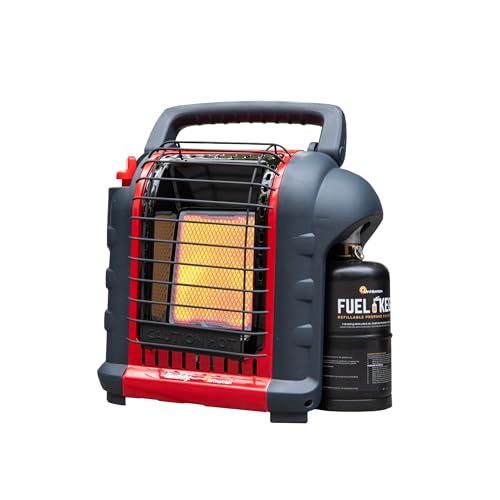
BTU range and radiant output make this unit versatile for medium-sized spaces aboard. Best for boaters needing portable warmth that can be moved between cabins. Advantages include indoor/outdoor approval and capability to heat up to about 225 square feet. A practical choice for flexible layouts and temporary heating during dry dock or overnight passages. Caution: ensure proper ventilation and follow all safety guidelines to prevent carbon monoxide buildup in confined spaces.
Newport P9000 Propane Fireplace Heater

This model combines a compact design with a large ceramic viewing window and a safety screen, delivering a visually appealing heat source that doubles as a focal point in a cabin. Best for boats where aesthetic and efficient heat are both priorities. It features safe direct-vent operation, low fuel consumption, and a 304 stainless steel construction for marine environments. Limitations include venting requirements and installation considerations for smaller spaces.
Heat Hog 9,000 BTU Portable Propane Radiant Heater

Best for larger boat spaces or outdoor decks where quick, strong warmth is needed without electrical power. This 9,000 BTU unit can run on a 1 lb. cylinder or with a larger tank using an accessory hose, offering a wide heating footprint. It’s tiltable to direct heat, with 33-degree wider coverage via curved plaque technology. Limitation: ensure stable mounting and wind protection in exposed areas.
Heat Hog 4,000 BTU Portable Heater

Best for small cabins or cockpit areas where compact heat is needed. It delivers up to 4,000 BTUs and operates without electricity, making it a practical choice for off-grid boating. The angled head design helps direct warmth precisely, and the same 33-degree wider heating area as other Heat Hog models provides better coverage than a standard small heater. Caution: heating area is limited; pair with other cooling or ventilation strategies in larger spaces.
Mr. Heater MH9BX-Massachusetts/Canada Approved

This portable heater covers a broad range from 4,000 to 9,000 BTUs, suitable for spaces up to 225 square feet. It’s approved for outdoor use and emphasizes clean burning with high efficiency. A notable limitation is that operation at high altitudes (above 7,000 feet) may cause occasional shutoffs. Consider altitude and ventilation when planning use on higher seas or in elevated marinas.
VEVOR Portable Propane Heater, 9000 BTU

Best for larger boat spaces that require steady warmth with built-in safety features. It provides up to 9,000 BTU, low oxygen protection, and tip-over protection, plus a sturdy carbon steel build. It’s easy to adjust with a stepless control for precise heat. Limitation: ensure proper ventilation in enclosed cabins and confirm compatibility with the boat’s existing heater setup.
VEVOR Propane Heat Gun

Best for marine maintenance and small area heat tasks rather than cabin heating. This tool delivers up to 187,660 BTU for rapid surface heating and shrink wrapping. Although not a primary space heater, its portable design is useful for quick targeted warmth or drying tasks aboard. Caution: it’s a high-temperature tool; use with protective gear and appropriate safety practices.
Mr. Heater Buddy 4,000-9,000 BTU Indoor-Safe
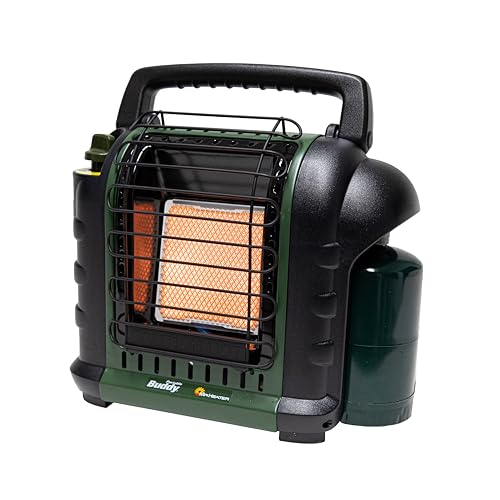
Best for flexible seasonality aboard, this unit provides 4,000 to 9,000 BTU and is designed for safe indoor and outdoor use. It heats up to approximately 225 square feet and adapts to changing conditions on the water. Limitation: ensure continuous ventilation and monitor CO safety in enclosed cabins to comply with marine safety practices.
Buying Guide: How To Choose The Right Marine Propane Heater
- Heat area and BTU needs: Calculate the square footage of your cabin and choose a model that provides enough BTUs to maintain comfort without overheating. For open or drafty spaces, lean toward higher BTU options with proper ventilation.
- Ventilation and safety: Select units with oxygen depletion sensors, automatic shut-off on tipping, and adequate venting. Marine environments magnify the importance of CO risk prevention and gas leak awareness.
- Portability vs. installation: If you need mobility, prioritize portable Buddy-style heaters. For fixed installations, consider built-in direct-vent models with corrosion-resistant materials suitable for marine use.
- Fuel availability and hoses: Check compatibility with standard propane tanks on board and ensure you have approved hoses or adapters if you plan to run a larger bottle. Confirm that hoses and fittings meet marine safety standards.
- Durability and materials: Look for models with stainless steel or corrosion-resistant housings to withstand salt air and humidity. A sturdy base and stable mounting help prevent accidents on a moving boat.
- Ventilation needs for enclosed cabins: Even with indoor-safe models, maintain fresh air flow to prevent carbon monoxide buildup. Use fans or vents to improve air exchange when the heater is in use.
- Usage scenarios: For frequent overnight stays, prioritize units rated for continuous use and those with automatic shut-off features for tipping or oxygen depletion.
- Maintenance and inspection: Regularly inspect hoses, fittings, and burners. Clean the intake areas to avoid soot buildup that can affect efficiency and safety.
Frequently Asked Questions
Are propane heaters safe to use on boats?
Propane heaters can be safe when used with proper ventilation, CO detectors, and adherence to manufacturer guidelines. Choose marine-rated models and keep flammable materials away from the heater.
What size propane heater do I need for a small cabin?
Small cabins typically need 4,000 BTU to 6,000 BTU, depending on insulation and space layout. For larger cabins or open cockpit areas, 9,000 BTU units provide better performance.
Do these heaters require electricity?
Some heaters operate without electricity, while others rely on electrical components for ignition or safety features. Portable models often work without shore power.
How do I prevent carbon monoxide buildup?
Use CO detectors, ensure proper ventilation, never sleep with a heater running in a closed cabin, and follow installation instructions. Regularly test detectors for reliability.
Can I install a direct-vent heater on a boat?
Yes, direct-vent designs are common for boats, but installation must follow marine safety standards and often requires professional guidance to ensure proper vent routing and seal integrity.
What maintenance steps are essential for marine propane heaters?
Regularly inspect hoses and connections for leaks, clean burner ports, and replace worn seals. Store propane tanks securely and check regulators for proper operation.