When choosing a propane heater for an RV, the primary goals are reliable warmth, safety features, and suitability for your space. These five models best balance portability, heat output, and practical safety controls for typical RV layouts. The top picks vary from compact personal heaters to larger furnace-style units, helping you stay comfortable whether you’re camping, cruising, or living full-time on the road. This guide highlights who each heater is best for and why it fits RV living. A quick buyer’s table follows to compare key points at a glance.
| Product | Best For | Approx. Heat Range | Safety/Notes |
|---|---|---|---|
| Mr. Heater 9,000 BTU Portable Buddy | Small to medium RVs; portable warmth | 4,000–9,000 BTU/hr | Indoor/outdoor use approved |
| ProCom ML100TBA-B Blue Flame | Versatile small spaces; wall-mount option | 10,000 BTU | Thermostat control; ventless |
| OKF Indoor/Outdoor 6,000–18,000 BTU | Garage, shop, or open RV spaces | 6,000/12,000/18,000 BTU | ODS & tip-over safeguards |
| Xtreme Heaters Portable RV Heater | Quiet, low-profile safety for tight spaces | 4,000 BTU | Tip-over switch; top-air intake |
| Mr. Heater MH9BX (Massachusetts/Canada approved) | Outdoor-friendly warmth in varied conditions | 4,000–9,000 BTU | Tip-over and oxygen safety features |
Mr. Heater 9,000 BTU Portable Buddy Radiant Propane Heater
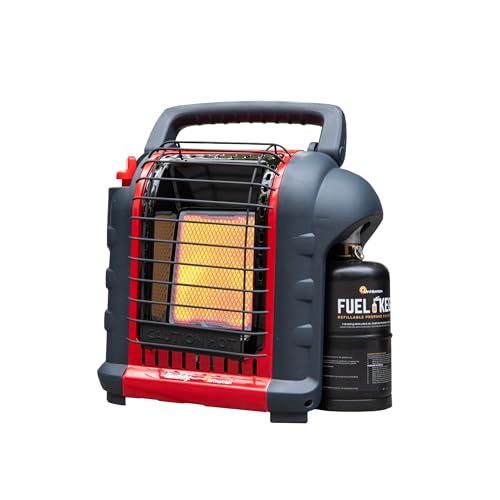
The Portable Buddy provides radiant warmth with selectable 4,000 or 9,000 BTU/hr output, designed for indoor and outdoor use. It heats approximately 225 square feet, making it a strong choice for compact RV living areas or as a supplemental heater for larger rigs. Best for travelers who need portable heat without a large footprint. A potential limitation is that radiant heat may create uneven warmth in very open interiors; plan to use in enclosed or partially partitioned spaces for even comfort.
ProCom ML100TBA-B Blue Flame Mini Heater

This 10,000 BTU liquid propane blue flame heater is suited for mid-sized spaces like small offices, bedrooms, living rooms, and RV living areas. It includes thermostat control with High/Medium/Low settings for steady warmth. Its slim profile and optional wall mounting provide flexible placement in limited RV interiors. Best for RV owners who want higher heat at a controlled rate, especially in cooler nights. A caveat is that ventless operation requires proper room ventilation and monitoring for safety compliance.
OKF 6,000–18,000 BTU Indoor/Outdoor Propane Heater

OKF offers three heat levels (6,000/12,000/18,000 BTU) suitable for both indoor and outdoor use. It includes pulse ignition for easier lighting and comes with a regulator and hose for connection to a 20 lb propane tank. Use this heater where higher warmth is needed or when the space is larger or less insulated. Safety features include automatic shutoff under low oxygen or tip-over conditions. Best for RVers who need flexible heat across diverse camping environments; avoid in very small, poorly ventilated spaces without ventilation planning.
Xtreme Heaters Boat, Cabin & RV Heater

Designed for boats, cabins, RVs, and other small spaces, this portable heater emphasizes safety with a tip-over switch and quiet operation. Its compact, low-profile design makes it easy to place in constrained RV layouts, while the top-vent intake supports safe operation near walls or carpet. Best for RVers who prioritize safety, quiet operation, and a compact footprint. A limitation is that it provides moderate heat output (4,000 BTU), so you may need supplementary heating in very cold climates or larger units.
Mr. Heater MH9BX: Massachusetts/Canada Approved

This 4,000–9,000 BTU radiant heater warms spaces up to about 225 square feet. It is approved for outdoor use and is noted for clean-burning, near-high efficiency. Autoshut-off triggers on tipping, pilot light failure, or low oxygen detection. Best for RVs where outdoor exposure is common or where the space can benefit from robust, direct radiant heat. A consideration is that at high altitudes over 7,000 feet, operation may automatically shut off, so plan for altitude-adjusted use in mountainous routes.
Heat Hog 4,000 BTU Portable Propane Heater

Heat Hog’s compact design provides 4,000 BTU of radiant heat ideal for small RV zones, garages, or camping setups. It operates on a 1 lb LP cylinder with no electricity required, and the angled head directs heat where needed. This model suits travelers who want a simple, portable heat source without reliance on electrical power. Limitation: heat output is best for small areas; larger rooms may require additional heating sources.
KINGRVER RV Furnace 35,000 BTU

The KINGRVER 35,000 BTU high-efficiency RV furnace provides robust warmth for larger RVs (28–38 ft) with 320 CFM airflow for rapid heat-up and even distribution. The system uses an advanced heat exchanger to optimize propane use while delivering warm air up to 104°F. A built-in thermostat with fault alerts helps maintain stable conditions and supports straightforward troubleshooting. Best for enthusiasts with larger rigs who need reliable, centralized heating; this is heavier and more complex to install, so ensure proper space and installation readiness.
KINGRVER 6 Gallon RV Water Heater with Remote Controller

This 6-gallon propane water heater offers stable hot water with porcelain-lined steel tank and 4-layer insulation. It features dual smart temperature control with a remote controller for easy operation and altitude adaptation. Installation is designed for most 4–6 gallon RV cutouts. Best for RVers who want consistent hot water and precise temperature control; note the need for proper space and gas connections during setup.
Buying Guide: Key Considerations for RV Propane Heaters
What space will you heat? Determine whether you need portable units, a compact wall-mount heater, or a full RV furnace. Smaller spaces benefit from portable, low-output heaters, while larger, well-insulated RVs may justify higher BTU models or a dedicated furnace.
Which safety features matter? Look for tip-over switches, oxygen depletion sensors (ODS), auto shut-off when pilot light fails, and proper ventilation requirements. Indoor use should always consider fresh air exchange and CO monitoring.
Do you prefer manual or thermostat control? Heaters with built-in thermostats provide steady temperatures, reducing fuel waste. Walls-mounted units save space but require installation considerations.
Power source and maintenance: Propane is reliable during power outages, but ensure regulator compatibility with your tanks and hoses. Regular inspection of hoses, connections, and vents helps prevent leaks and ensures safe operation.
Virtual space planning: Map heat distribution in your RV. Radiant heat works well for direct warmth, while forced-air furnaces distribute heat more evenly. A combination approach often yields the best comfort in varied climates.
Frequently Asked Questions
- Is it safe to use propane heaters inside an RV? Yes, but only with proper ventilation and adherence to the heater’s safety features, including ODS and tip-over protection where applicable.
- Which heater is best for a small RV space? A compact radiant heater with a high heat output and a top-mounted intake, such as a 4,000–9,000 BTU unit, is typically ideal for small areas.
- Can I use any propane heater in an enclosed RV? Only if the heater is rated for indoor use and you maintain adequate ventilation and CO detectors.
- Do RV furnaces require professional installation? Large furnace systems often require professional installation due to venting, gas lines, and electrical integration.
- How do I choose between radiant vs. forced-air heating? Radiant is great for direct warmth in tight spaces; forced-air provides more uniform distribution across larger interiors.
- What maintenance is needed for propane heaters in RVs? Regularly check connections, clean vents, inspect for leaks, and test safety features before each season of use.