You’re looking to purchase a propane tank that fits your outdoor needs, from grilling to camping. This guide highlights five top options and explains who each is best for. Use the quick comparison table below to compare capacity, use-case, and key features at a glance.
| Product | Capacity | Best For | Key Feature |
|---|---|---|---|
| Flame King YSN330 30lb | 30 lb | Grills & outdoor cooking | Built-in gauge & OPD valve |
| Flame King YSN5LB-GAUGE 5lb | 5 lb | Portability & small grills | Gauge with compact size |
| Flame King YSN-201 20-Pound | 20 lb | Balanced capacity for home BBQs | Type 1 OPD, DOT approved |
| Flame King YSN401 40 lb | 40 lb | Long grilling sessions & bigger setups | Overfill protection & safety tested |
| Flame King YSN-301 30 Pound | 30 lb | US/CA compliant storage & transport | Type 1 OPD, DOT/TC verified |
Flame King YSN330 30lb Steel Tank With Gauge

Best for: Grills and BBQs that require a higher fuel capacity for longer cookouts. This 30-pound model combines a built-in gas meter gauge with an OPD valve, ensuring you can monitor propane levels and prevent overfilling. It is ideal for frequent outdoor cooks, camping trips, and larger portable grills.
Why this was selected: The 30lb size offers more runtime than small cans while remaining manageable for transport. The gauge helps anticipate refills, and the OPD feature aligns with safety regulations in most states.
Caution: Some retailers require verification for propane fill stations when an OPD-equipped tank is present; ensure your local supplier accepts this model before refilling.
Coleman 2 Pack Propane Fuel Tank – 16 oz
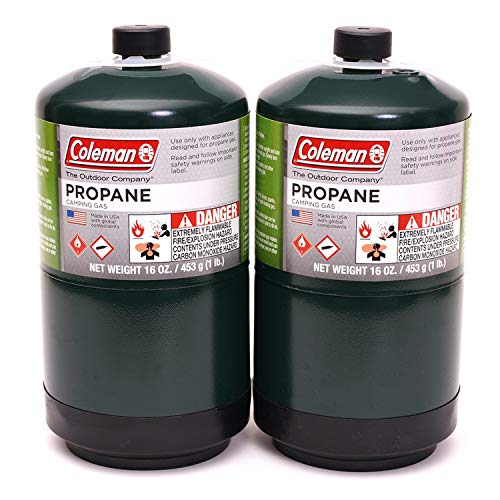
Best for: Portable cooking on small tabletop grills, camping stoves, and torches where minimal weight matters. Each tank is compact and designed to fit standard portable propane appliances.
Why this was selected: The two-pack provides spare fuel for short trips and quick swaps between devices, ideal for light-duty outdoor cooking. The tanks are lightweight and convenient for travel.
Limitation: The 16 oz size has a shorter runtime compared to larger tanks, so plan fuel usage accordingly for longer outings.
Flame King YSN5LB-GAUGE 5lb Tank With Gauge
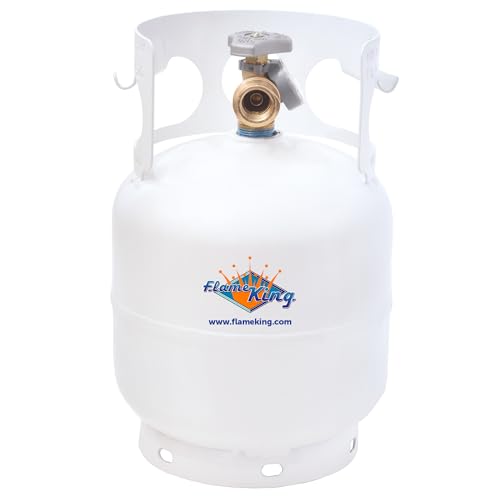
Best for: Light camping, small grills, and emergency backup fuel where you need quick gauge readings to avoid unexpected outages.
Why this was selected: The built-in gauge helps monitor propane levels in a compact package, and the 5lb capacity is easy to transport. It offers a straightforward option for travelers and picnics.
Limitation: The smaller size means more frequent refills for longer cooking sessions.
Flame King YSN-201 20-Pound Tank

Best for: Balanced households and backyard grills that need a reliable mid-size tank with robust safety features.
Why this was selected: The 20-pound capacity is a common standard for home use, combining ample runtime with reasonable portability. It includes a premium OPD valve and is built for durability.
Limitation: Heavier than smaller tanks, which may affect portability for some users.
Flame King YSN401 40 lb Tank

Best for: Long cooking sessions, catering setups, and larger outdoor grills where extended runtime is essential.
Why this was selected: The 40-pound capacity delivers extended fuel availability. It features an overfill protection device and safety tests to support safe transport in both the US and Canada.
Limitation: Significantly heavier to lift and transport, which may require careful handling and setup.
Flame King YSN-301 30 Pound Tank
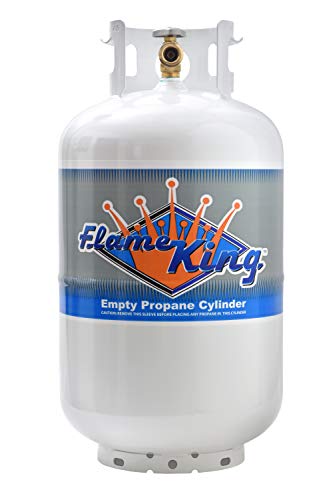
Best for: Home and outdoor use where legal compliance and transport safety are priorities for mid-size tanks.
Why this was selected: The 30-pound capacity balances runtime and portability, with Type 1 OPD valve and compliance with DOT and TC requirements. It’s suitable for a variety of grills and heaters.
Limitation: Availability may vary by region due to regulatory checks on transport and filling facilities.
Buying Guide: Propane Tank Purchase Considerations
What size should you choose?
Size depends on how you cook and where you cook. Smaller tanks (5–16 oz) are ideal for portable stoves and light use. Medium tanks (20–30 lb) suit regular backyard grilling. Large tanks (40 lb) are best for long cooking sessions or events. Consider storage space, transport weight, and refill frequency when deciding.
Is a gauge or OPD valve important?
A built-in gauge helps you monitor remaining propane so you don’t run out mid-cook. An OPD (overfill protection device) valve prevents filling beyond safe limits, a requirement in many regions. For safety and compliance, prefer models with both features when possible.
Where will you use the tank?
US and Canada have testing and certification standards. Tanks designed for cross-border transport often carry DOT and TC markings. If you travel or move between countries, ensure the tank is certified for both jurisdictions.
Portability vs capacity
Portability favors smaller tanks and lighter materials. If you cook outdoors for hours, larger tanks reduce refill frequency but require more effort to move. Plan your cooking sessions and storage space to balance these factors.
Safety and maintenance
Choose tanks made from durable, welded steel with corrosion protection. Regular inspections and proper storage away from heat sources minimize risks. Follow local refill station guidelines about tank type and compatibility.
What about accessories?
Consider gauges, leak detectors, and carrying accessories that help monitor fuel levels and ease transport. Some kits include mounting hardware and installation tools, while others require basic components you may already own.
FAQ
- Q: Can I mix different brands of propane tanks with my grill?
- A: Yes, provided the tank fittings are compatible with your grill’s connection type and the tank is certified for use in your region.
- Q: How do I know when a tank needs refilling?
- A: Use the built-in gauge if available, or monitor regulator performance and cooking duration to estimate when a refill is needed.
- Q: Are propane tanks safe for travel by car or plane?
- A: Transport safety depends on local regulations. DOT/TC certified tanks are designed for safe transport; always follow carrier guidelines and place tanks upright in ventilated spaces during travel.
- Q: Do all propane tanks come with a valve?
- A: Most standard tanks include a valve compatible with common propane regulators; verify compatibility with your appliances before purchase.