Finding the right auto-retracting RV awning means balancing ease of use, durability, and weather resistance. This guide highlights five top options, each chosen for reliability, motorized or easy manual operation, and compatibility with a range of RVs. Best for frequent travelers are motorized models; best for budget-conscious buyers are lightweight cassette designs; and best all-around options combine durability with simple operation.
Summary table of selected products:
- VEVOR Motorized RV Awning Complete Kit, 16′ Retractable Awning — Best for mid-size rigs and quick installation
- RecPro 7′ Manual RV Cassette Awning — Best for simple, lightweight shade
- VEVOR Motorized RV Awning Complete Kit, 18′ Retractable Awning — Best for larger RVs and extended shade
- Awnlux Black Motorized Modular Retractable RV Awning — Best for home-like convenience and fast operation
- EROMMY 10FT Electric RV Awning — Best for small to mid-sized campers with turnkey setup
VEVOR Motorized 16′ RV Awning Kit
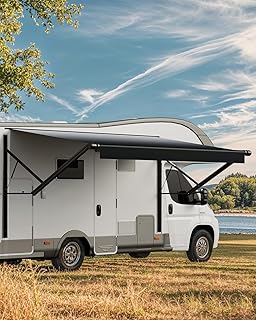
Best for mid-size RVs that need reliable, motorized shade with straightforward setup. The 16 x 8 ft model (fabric 15’2″) features a 5.5 ft frame height and seven size options to fit many RVs. The 18oz thickened PVC fabric enhances durability with four-layer vinyl, 1000D high-density weight, and tear-resistant seams. It withstands UPF50+ UV and water exposure, suitable for -20℃ to +40℃ temperatures.
Who this is for: frequent travelers needing quick, hands-free operation and long-term fabric performance. A caution: check fit for your exact RV width to avoid overhang or gaps.
VEVOR 18′ Motorized RV Awning Kit
Best for larger rigs that benefit from extended shade coverage and a motorized range. This 18 x 8 ft model (fabric 17’2″) shares the same durable PVC fabric and high-density material as the smaller version, with a matching weather-ready design. It is designed for easy one-touch operation and consistent performance in various climates.
Who this is for: owners who want more awning length without sacrificing reliability. Caution: ensure mounting space supports the longer crossbar and footprint.
Awnlux Black Motorized Modular RV Awning Set

Best for RVs seeking quick, push-button expansion with a manual backup option. The 10 x 8 Feet design uses 16oz vinyl fabric that’s waterproof and thermally insulated. The kit includes a built-in motor for easy operation and a hand crank for manual use, offering flexibility in power availability and shade control.
Who this is for: campers who want convenient automation with a reliable non-electric backup. Caution: modular assemblies should be installed by someone familiar with your rig’s mounting rails.
EROMMY 10FT Electric RV Awning Kit

Best for small to mid-sized campers that want turnkey setup with a reliable motor and backup manual crank. The 10ft electric awning provides one-touch operation and adjustable tilt arms to direct shade efficiently. It uses weather-ready vinyl canopy fabric for UV protection and rain resistance.
Who this is for: smaller RVs and travel trailers needing quick shade without complex installation. Caution: ensure the power source and mounting rails match your RV’s electrical and frame specifications.
Buying Guide
What to consider when choosing an auto retract RV awning:
- Operation type: Motorized vs. manual. Motorized models offer convenient push-button control, while manual options provide a backup option when power is unavailable.
- Size and fit: Measure your RV’s width and mounting space. A common range is 10–18 feet in fabric width; ensure the frame height and rail compatibility match your vehicle.
- Fabric durability: Look for multi-layer vinyl fabric, weight in ounces, water resistance, and UV protection. Higher density fabric typically lasts longer in sun exposure and rain.
- Weather tolerance: Temperature range and seam integrity matter for year-round use. Choose fabrics rated for your climate and expected seasons.
- Installation considerations: Some kits require professional installation or compatible mounting rails. Check whether your RV already has compatible rails or mounting hardware.
- Backup options: A built-in manual crank is advantageous for power outages or remote sites without electricity.
Comparative Quick Reference
- Best overall for extended trips: 18′ motorized kit for larger RVs.
- Best for budget simplicity: 7′ manual cassette awning with lightweight design.
- Best for backup power: Modular AWNLUX with motor plus manual crank.
- Best for compact campers: 10ft electric option with tilt arms.
Installation And Maintenance Tips
- Inspect fabric seams and edge finishing annually for signs of wear or fraying.
- Lubricate moving parts sparingly to maintain smooth operation without attracting dirt.
- Check wiring and motor connections in adverse weather; ensure waterproof seals are intact.
- Store the awning folded during extreme weather to minimize material stress.
FAQ
- What is the typical lifespan of an RV awning fabric? Answer: Fabric longevity depends on usage and weather exposure; high-density vinyl fabrics typically offer extended durability, but inspect annually.
- Do motorized awnings require professional installation? Answer: Some kits are DIY-friendly; others may need mounting rails and electrical connections that benefit from professional installation.
- Can I operate an electric awning without power? Answer: Most have a manual crank backup for non-electric operation.
- How do I choose the right width? Answer: Measure your RV’s exterior width and ensure the fabric width plus mounting hardware fits without overhang or gaps.
- Are these awnings waterproof? Answer: Many feature waterproof vinyl fabric and UV protection, but check the specific fabric rating for your model.
- What maintenance is recommended? Answer: Regularly clean fabric, inspect seals, and lubricate moving parts; avoid harsh chemicals that may degrade fabric.