Answer: If you’re outfitting an RV or small living space, focus on compact, propane-powered wall heaters with reliable ignition, safe venting options, and adjustable heat output. The top picks below are ideal for RV owners and tiny-sleeping spaces who want steady heat without relying on electricity. The list includes compact ventless and direct-vent models that fit tight spaces, plus a few larger options for bigger RVs or cabins. This guide compares features, best-use cases, and limitations to help you choose with confidence.
Quick comparison table
| Product | Heat Output | Vent Type | Best For | Limitations |
|---|---|---|---|---|
| ProCom ML100TBA-B | 10,000 BTU | Ventless Blue Flame | Small RVs, bedrooms, offices | Requires propane supply; electricity not required |
| ProCom ML100TPA-B | 10,000 BTU | Ventless Infrared Plaque | Quiet heating in small spaces | Same propane-only operation |
| ProCom ML300HBA-B | 30,000 BTU | Ventless Blue Flame | Larger RVs or cabins | Higher heat; propane-only |
| Ashley DVAG17L | 17,000 BTU | Direct-Vent | Better indoor air quality; power outages | Requires venting to outdoors |
| Mr. Heater 30,000 BTU | 30,000 BTU | Vent Free Radiant | Medium to large spaces | Vent-free, ensure proper clearance |
ProCom ML100TBA-B 10,000 BTU Ventless Blue Flame

Overview: This compact unit provides 10,000 BTU and heats up to 500 sq ft. It uses propane with no electricity needed. The thermostat offers High/Medium/Low settings for adjustable comfort. Designed to mount on a wall or stand with base feet (included). Best for: small RV bedrooms or living areas where electricity is limited or unavailable.
Why selected: Its slim profile and dual mounting options maximize space in compact RV interiors. Best for users who want direct, controllable heat without wiring.
Caution: Ventless operation concentrates heat indoors; ensure proper ventilation in enclosed spaces and follow manufacturer guidelines for safe usage.
ProCom ML100TPA-B Infrared 10,000 BTU

Overview: This 10,000 BTU ventless infrared model heats up to 500 sq ft and uses propane. It features thermostat control for High/Medium/Low and a slim, modern profile. Best for: quiet, space-saving warmth in RV living rooms or small studios.
Why selected: Infrared heat feels consistent and direct, which is useful in RVs where draft loss can be noticeable. Mounting flexibility matches tight interiors.
Caution: Infrared performance depends on room layout; ensure unobstructed heat paths for best results.
ProCom ML300HBA-B 30,000 BTU Ventless Blue Flame

Overview: Delivers up to 30,000 BTU and heats up to 1,400 sq ft. Propane-only operation with no electricity required. Features push-button piezo ignition and manual control with three heat settings. Oxygen Depletion Sensor is included for safety. Best for: larger RVs or small cabins needing robust heat without electricity.
Why selected: High heat capacity makes it suitable for bigger spaces or draftier RVs. The lack of electricity dependency is advantageous for off-grid scenarios.
Caution: Higher heat output requires careful placement and venting planning to maintain safe clearances.
Ashley DVAG17L Liquid Propane Direct-Vent Wall Heater
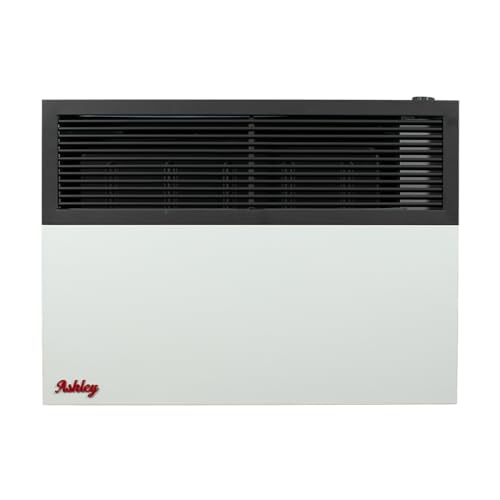
Overview: Direct-vent design heats up to 17,000 BTU and 570 sq ft. Operates without electricity, making it suitable for power outages or off-grid RV use. The sealed burn system vents outdoors for cleaner indoor air quality. Best for: mid-sized RVs needing reliable heat with off-grid capability.
Why selected: Combines direct-vent efficiency with off-grid operation, which is ideal for extended trips where electrical supply is uncertain.
Caution: Requires proper exterior venting; ensure clearances and outdoor venting path for safe operation.
Mr. Heater 30,000 BTU Vent Free Radiant

Overview: A vent-free radiant heater rated at 30,000 BTU, capable of heating up to 1,000 sq ft. It features a battery-operated electronic ignition. Best for: larger RVs or open floor plans needing strong, steady warmth without external power supply.
Why selected: High heating capacity makes it suitable for larger spaces, potentially eliminating the need for auxiliary heaters.
Caution: Vent-free units require adequate room with proper clearance; verify local venting codes and space constraints before installation.
Mr. Heater 20,000 BTU Vent Free Blue Flame

Overview: Delivers 20,000 BTU, heating up to 700 sq ft. Battery-operated electronic spark ignition with vent-free design. Best for: mid-sized RVs that need solid warmth without reliance on electricity.
Why selected: Balanced heat output and efficiency, suitable for moderate space without overfilling the interior with heat.
Caution: As with all vent-free models, ensure proper room size and vent-free safety guidelines are followed.
Ashley DVAG11L Direct-Vent 11,000 BTU

Overview: 11,000 BTU direct-vent heater for spaces up to 375 sq ft. Operates without electricity. Sealed burn system vents outdoors for safer indoor air quality. Best for: small RVs or cabins with a need for reliable heat and vented exhaust.
Why selected: Direct-vent operation is advantageous for maintaining indoor air quality in enclosed spaces while avoiding electrical dependence.
Caution: Ensure exterior vent path is clear and properly installed to prevent backdrafts or safety concerns.
Buying Guide: Key Considerations For RV Propane Wall Heaters
- Heat output vs. space: Match BTU to the RV’s square footage and insulation. Larger spaces benefit from higher BTU units, while smaller areas should use 10,000–17,000 BTU units to avoid overheating.
- Ventilation type: Ventless heaters simplify installation but require careful interior placement and adequate fresh air. Direct-vent options exhaust outdoors, improving indoor air quality but needing exterior venting paths.
- Electrical reliance: Some models run without electricity, ideal for off-grid trips. Assess how you use your RV’s power and whether you want backup heat during outages.
- Ignition and control: Piezo or electronic ignition, plus adjustable high/medium/low settings, help tailor warmth and efficiency. Consider thermostat control for steady performance.
- Safety features: Oxygen Depletion Sensor (ODS), automatic shut-off, and proper clearance from combustibles are essential. Ensure installation follows manufacturer guidelines.
- Installation options: Wall mounting vs. freestanding bases feet. Consider available space, mounting hardware, and clearance requirements.
- Maintenance: Clean vent pathways, inspect seals, and verify venting integrity periodically to maintain safe operation.
- Insurance and codes: Verify RV installation meets local codes and insurance requirements for propane appliances.
Frequently Asked Questions
- What’s the safest RV propane heater for off-grid use? Direct-vent or ventless units with safety features like ODS are common choices; ensure proper ventilation and space.
- Do propane wall heaters require electricity? Some models operate without electricity, while others rely on a 12V or 120V supply for ignition or control.
- Can I install these heaters in any RV? Installations should follow manufacturer instructions, with proper venting for direct-vent models and adequate clearance for ventless units.
- Which heater is best for a small RV living area? Ten-thousand BTU ventless models are typically ideal for compact spaces, offering easy placement and simple operation.
- What maintenance is needed? Regularly inspect venting, seals, and ignition components; clean dust and check for propane leaks per safety guidelines.
- What should I consider for safety in cold climates? Ensure proper ventilation, confirm clearance around heater, and test the oxygen depletion sensor and ignition before use.