When planning long trips or weekend getaways in an RV, a reliable roadside emergency kit is essential. This guide highlights five top options, focusing on visibility, portability, and practical tools. Best for solo travelers, families, and frequent campers alike, these kits help you stay safe during vehicle trouble or bad weather. The table below summarizes the featured products to help you compare at a glance.
| Product | Why It Stands Out |
|---|---|
| iMonse Warning Safety Triangle Kit – 3 Pack | High reflectivity, includes 2 LED flares; portable case |
| WORKKOOL Safety Triangles – 3 Pack | DOT approved, durable, large reflective surface |
| iMonse Warning Safety Triangle Kit – 2 Packs | 360° visibility, compact, includes LED flare |
| EVERLIT Survival Car Emergency Kit | Broad tool set (tire inflator, jumper cables, first aid, etc.) |
| XOOL Emergency Warning Triangle Kit | High-visibility triangles, vest, gloves |
iMonse 3-Pack Warning Triangle Kit

Best for: RVers who want a comprehensive visibility kit with built-in signaling aids. This set includes three reflective triangles and two LED road flare lights for enhanced daytime and nighttime warning. The included storage case helps keep your trunk organized, ready for immediate deployment during a breakdown or emergency stop.
Why selected: High reflectivity and portable storage make it a well-rounded roadside alert solution. The LED flares offer added visibility in low light or fog. It’s especially useful for RV travelers who may need to alert nearby traffic from multiple angles.
Caution: Ensure the storage case is kept in an easily accessible location in your RV so you can deploy quickly when needed.
WORKKOOL DOT-Approved 3-Pack Safety Triangles

Best for: RV owners who want rugged, reliable emergency triangles with a sturdy carry bag. DOT approval adds a standard safety benchmark, and a durable reflective surface improves visibility from a distance.
Why selected: The large reflective surface and wide viewing angle help alert other drivers quickly, reducing risk during lane changes or roadside repairs. Portable storage makes it easy to stash in a cabinet or under a seat.
Caution: The product is sold as a 3-pack without added ballast sand; consider a separate sand-filled option if you expect strong winds in camping areas or on uneven ground.
iMonse 2-Pack Warning Triangle Kit with LED Light

Best for: RVers who want a compact set with strong nighttime visibility. The 360° brightness and DOT-aligned construction make this a reliable option for signaling on dim roads.
Why selected: The two-triangle kit with a single LED flare provides essential warning capability without bulk. It’s ideal for smaller RVs or daily commutes where space efficiency matters.
Caution: Fewer units than a 3-pack, so keep a spare set in a separate bag or your toolbox to cover longer trips or higher traffic days.
Everlit Survival Car Emergency Kit
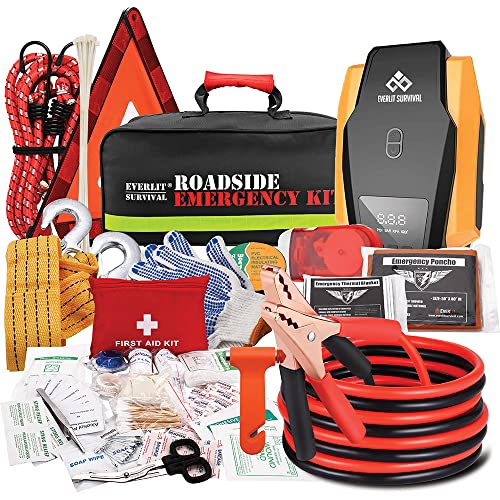
Best for: RVers seeking a broad, all-in-one emergency toolkit for more than just signaling. This kit includes a tire inflator, jumper cables, tow strap, gloves, and a first aid kit, making it suitable for longer road adventures or remote stops where assistance may take longer.
Why selected: A robust set of tools supports vehicle readiness beyond signaling danger, including tire care and basic repairs. The digital inflator adds convenience for maintaining proper tire pressure in varied terrains.
Caution: The inflator is compact; verify tire sizes and compatible valves before use, and ensure you know how to operate the device to avoid surprises on the road.
XOOL Emergency Warning Triangle Kit

Best for: RV drivers who want a complete kit with high-visibility triangles, safety vests, and gloves. The combination supports quick hazard signaling and personal visibility during roadside stops.
Why selected: The kit emphasizes 360° awareness with reflective triangles and reflective vests, which helps keep you and passengers visible from multiple directions, especially in low light or foggy conditions.
Caution: Vest sizes and glove sizes vary; confirm suitability for all travelers in the vehicle before setting off on trips requiring heavy roadside signaling.
Buying Guide: How To Choose The Right RV Roadside Emergency Kit
- Visibility: Look for high reflectivity, 360° visibility, and multiple signaling options (triangles plus LED flares) to alert other drivers from different angles.
- Portability: A compact case or bag that fits in a RV storage compartment or under a seat helps quick deployment during emergencies.
- Completeness: If you frequently travel in remote areas, a kit with additional tools (tire inflator, jumper cables, first aid) offers more value beyond warning signs.
- Durability: Choose sturdy plastic or metal bases, weatherproof materials, and secure closures to withstand road conditions and weather.
- Compliance: DOT or FMVSS-compliant triangles provide a baseline level of recognized safety standards for roadside signaling.
- Maintenance: Check expiration dates on signaling devices and keep batteries or LEDs fresh. Regularly inspect the case, straps, and reflective surfaces.
- Budget and usage: For occasional RV trips, a focused triangle and LED flare kit may suffice. For frequent travelers, a broader tool kit adds long-term usefulness.
Frequently Asked Questions
- What should I keep in an RV roadside emergency kit?
– At minimum, reflective warning triangles and a signaling light. Consider adding a tire inflator, jumper cables, a basic first aid kit, and gloves for versatility on long trips. - How many warning triangles do I really need for my RV?
– A typical RV setup uses 2–3 triangles for signaling from multiple angles, plus optional LED lights for enhanced nighttime visibility. - Are DOT-approved triangles necessary?
– DOT approval indicates compliance with a standard safety specification. They are a reliable baseline for visibility and performance in emergencies. - Can I reuse a roadside emergency kit for non-vehicular emergencies?
– Some tools (like first aid supplies, gloves, and a poncho) are useful in non-vehicular emergencies, but always check each item’s intended use and expiration date. - What maintenance should I perform on an emergency kit?
– Regularly inspect reflectors and lights, replace worn batteries, test lights if possible, and ensure the kit remains easily accessible and dry. - Is a full tool kit necessary for every RV trip?
– Not always, but for longer trips, remote areas, or if you rely on self-service repairs, a broader kit with a tire inflator and jumper cables improves readiness.