Looking for a reliable, all-weather shelter for solo adventures? A true 4-season tent for one person is built to handle winter snows, strong winds, and summer rain while remaining lightweight enough for backpacking. The following five tents are well-suited for one-person use and are designed to perform across seasons. They target solo hikers, ultralight backpackers, and campers who value compact packing, quick setup, and durable build quality. Below, find concise product profiles, plus a practical buying guide and FAQs to help you choose confidently.
Summary of chosen products:
| Product | Best For | Key Benefit | Limitations |
|---|---|---|---|
| 1-Person Backpacking Tent (Underwood Aggregator) | Ultralight solo trips | Winter snow skirt and double-layer design for wind resilience | Smaller interior height |
| camppal 1 Person Tent (4 Season) | Tall solo campers | Extended length and strong waterproofing | Complex floor seam taps may vary by unit |
| MC TOMOUNT Backpacking Tent (1 Person) | Budget-minded solos | Lightweight, quick setup, double-layer wind/rain protection | Basic interior pockets may be limited |
| OneTigris Stella 4 Season (1 Person) | All-weather backpackers | Removable blackout outer tent for flexibility | Limited storage pockets inside |
| Family-friendly solo or duo | Protective fiberglass poles with safety coating | Designed for 1–2 people; compact footprint |
1-Person Backpacking Tent for 4-Season
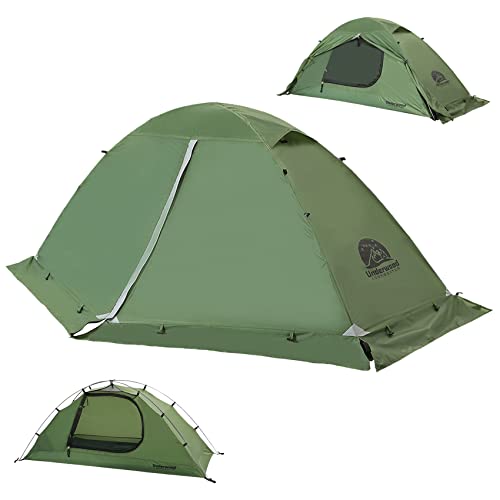
This tent is designed for a single occupant with four-season capability. It features a snow skirt to keep snow away in winter and a rollable design for flexible use when snow is absent. The mesh interior aids airflow in milder weather, while a double-layer door improves ventilation and weather sealing. A two-way zipper simplifies operation, and interior touches include a lantern hook and a mesh pocket for small items. Best for ultra-light solo adventures in unpredictable weather, with wind resistance reinforced by double-layer corners.
Best for: Solo hikers who prioritize a compact footprint, winter use, and robust wind protection. Use this if you want a dedicated 4-season single-person shelter that remains portable in a backpacking setup. Caution: Interior height and floor area are modest; ensure your gear fits inside before purchase.
camppal 1 Person Tent for Camping Hiking Tents 4 Season

This camppal tent is built for a single camper with 3,500–4,000 mm water resistance. It emphasizes windproofing and rain protection through seam-taped zippers and durable outer fabric, plus a long interior length of 8.2 feet to accommodate taller users. The setup uses a single ridge pole, aiding quick assembly. Best for taller solo campers who want extra interior length and solid waterproofing; choose this if you often camp in wet or windy conditions. Limitation: The tent’s complex seam details may require careful setup.
camppal 1 Person Tent for Camping Hiking Tents 4 Season

Another camppal 1-person option with identical specs and design philosophy: lightweight (about 3.75 lb), 3500–4000 mm water resistance, and extended length for taller sleepers. It shares windproof and waterproof features, plus easy setup with a single ridge pole. Best for campers who want a well-rounded all-season shelter with ample internal space. Caution: Similar to its sibling, the premium feel may vary by batch; inspect stitching and seam seals upon receipt.
2-Person Backpacking Tent for 4-Season

Although this option is labeled for two, its interior layout and frame design support flexible 2-person use, including solo trips that require more gear space. It’s a strong pick for those who want a slightly bigger footprint with four-season readiness. Best for solo travelers who carry extra gear or for small pair adventures. Limitation: Heavier than true single-person tents; may reduce packing efficiency for strict ultralight backpackers.
MC TOMOUNT Backpacking Tent 1 Person

The MC TOMOUNT tent emphasizes a quick setup and robust weather protection in a compact package. It uses a double-layer design for warmth and wind resistance, with 190T inner fabric and a durable 210D ground sheet. The tent weighs around 4.65 pounds, making it convenient for backpackers who value speed and reliability. Best for budget-conscious solo travelers who want a dependable four-season shelter. Caution: Interior organization may be minimal; plan for external gear storage or added pockets.
OneTigris Stella 4 Season Tent
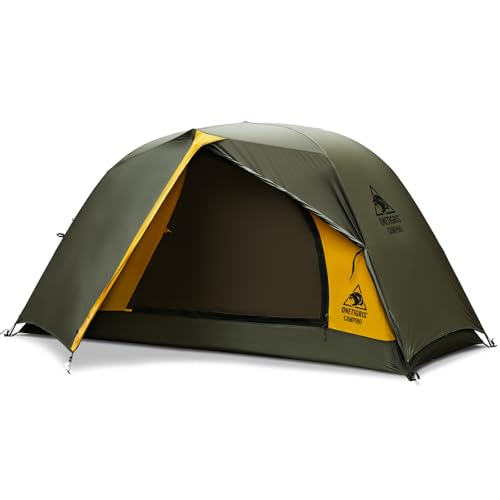
The Stella from OneTigris is optimized for 4-season use with a lightweight 20D nylon outer and a 3000 mm waterproof rating. A standout feature is a removable blackout outer tent, offering flexibility for different camping scenarios. The 4-season design includes a mesh inner for airflow, making it versatile for humid and cold conditions. Best for backpackers who want a modular shelter and removable outer shell. Limitation: Fewer interior pockets may require additional organizers.
Night Cat Backpacking Tent for One

This Night Cat tent is tailored for solo use with enough space for one person and gear. It features a robust fiberglass pole assembly with a protective coating to reduce hand injuries during setup. The inner dimensions comfortably fit one sleeper, with additional room for essentials. Best for solo campers who prioritize easy setup and a lightweight footprint. Caution: The single-layer design may be less forgiving in heavy condensation compared to double-layer tents.
Buying Guide
- Intended use: Choose a tent that matches typical weather and terrain you’ll encounter. Four-season tents prioritize wind, snow, and cold tolerance, often at the expense of extra weight.
- Weight and packability: For long backpacking trips, consider tents around 3.5–5 pounds. Heavier models offer more space and weather resistance but require more effort to carry.
- Interior space: Check floor area and center height to ensure comfortable sleeping without feeling cramped. Taller campers may prefer extended-length designs (8+ feet).
- Weatherproofing: Look for high waterproof ratings (waterproof PU or hydrostatic head) and taped seams. Double-layer designs improve ventilation while reducing moisture buildup.
- Ventilation: Mesh panels and dual doors help reduce condensation and improve airflow in warm weather or high-humidity environments.
- Setup complexity: Some tents use a single ridge pole or simplified frames for quick assembly. If you’re new to camping, prioritize ease of setup.
- Durability: Corrosion-resistant poles, reinforced corners, and robust fabrics extend service life in rugged outdoor conditions.
- Special features: Removable outer shells, built-in lantern hooks, and rain-fly integration can improve usability in specific climates.
Frequently Asked Questions
- What defines a true 4-season tent?
– A true 4-season tent is designed to withstand winter conditions, heavy winds, and temperature fluctuations. It typically features a sturdier frame, weatherproof fabrics, and optimized ventilation to minimize condensation. - Is a 1-person tent enough for two people?
– Some tents labeled as 1-person may accommodate a second person or gear. For full comfort, choose a dedicated 1-person tent if you camp solo most of the time. - Should I prioritize weight or space?
– For solo backpacking, weight is often the priority. If you carry more gear or plan longer trips, consider a tent with slightly more interior space while keeping weight within your carry limit. - How important are seam taping and waterproof ratings?
– Very important. Seam taping prevents water intrusion at seam lines, while higher waterproof ratings help keep you dry in heavy rain or snow. - What’s the benefit of a removable outer tent?
– A removable outer tent can improve ventilation and flexibility, enabling use in milder conditions or for quicker drying after rain. - Do 4-season tents require specialized maintenance?
– Basic care includes keeping zippers clean, drying the tent after use, and storing it dry to prevent mildew and fabric degradation.