If you’re shopping for the top sleeping bags for extreme cold, you want gear that maximizes warmth, reduces drafts, and fits your frame. This guide highlights five strong choices for cold-weather campers, hikers, and tall sleepers. Each product is selected for its insulation, design, and value, with clear notes on who benefits most. Whether you’re stocking a winter bivouac or a high-altitude overnight, these bags are built to withstand freezing temperatures and damp nights.
Summary table of selected products
- Browning McKinley -30° Sleeping Bag – Oversize Hooded Rectangle
- HiZYNICE Sleeping Bags for Adults Cold Weather Zero Degree XXL
- 1TG Tactical Mummy Sleeping Bag – 25℉ to 36℉
- Coleman Heritage Big & Tall 10°F Flannel Sleeping Bag
- rioyalo 0 Degree Winter Sleeping Bag – 5°F to 32°F
Browning McKinley -30° Sleeping Bag

Best for extreme cold and large frames, this oversize insulated bag uses TechLoft Silver insulation and a two-layer offset construction to minimize cold spots. A full hood and a soft brushed liner add comfort in freezing conditions, making it a strong choice for winter camping and expedition-style trips. The oversized design suits taller sleepers or those who prefer more shoulder space. Caution: heavier weight and bulk may be less ideal for fast-mat hiking or minimalist packs.
HiZYNICE Cold Weather XXL Sleeping Bag

Best for tall campers who want roomy space and strong warmth, this XXL zero-degree bag features a soft flannel lining and a draft tube to minimize heat loss. It’s designed for extreme cold, with a focus on width and length that accommodates up to seven feet tall users. The zipper system provides versatile ventilation, which can be helpful on slightly warmer nights. Caution: 0°F extreme rating is very demanding; warmth may vary with humidity and exertion.
1TG Tactical Mummy Sleeping Bag (25℉–36℉)

Best for lightweight winter outings and backpackers who still need warmth, this mummy bag is engineered for 25–36°F. It weighs about 3.88 pounds and uses hollow-fiber insulation with a well-designed hood, a 3D foot box, and a compact pack size. It’s a strong pick for those who want a balance of warmth-to-weight and easy packing. Caution: not ideal for extreme sub-zero conditions if you’re a cold sleeper.
Coleman Heritage Big & Tall 10°F Sleeping Bag
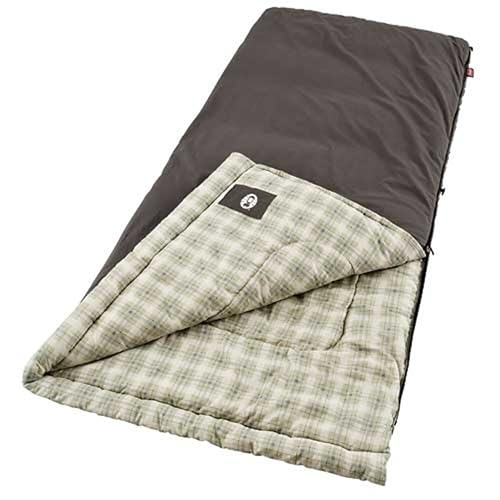
Best for adults up to tall heights, this four-season bag uses Hollofil insulation to deliver warmth down to 10°F. The extra room and patented no-snag zipper design help with comfort and durability in cold-weather camping or hunting trips. Caution: style-focused features may be less compact for ultralight backpacking.
rioyalo 0 Degree Winter Sleeping Bag

Best for travelers who need a capable 0°F bag with compact packaging, this model emphasizes portability without sacrificing warmth. It’s described as lightweight for its class and includes a compression sack for easy transport. Caution: ensure correct fit if you are taller than average or prefer more girth around the chest area.
Buying Guide: Choosing the Right Extreme Cold Sleeping Bag
- Temperature rating: Understand comfort, limit, and extreme values. For actual cold-weather use, aim for a bag with a comfort rating around 10–15°F lower than expected lows.
- Fit and insulation: Height and width matter. Tall sleepers should prioritize oversized or tall bags; insulations like hollow fibers or TechLoft variants balance warmth and weight.
- Shell and liner materials: Waterproof or windproof shells help in damp, windy environments; soft linings add comfort but may affect drying time.
- Shape and hood design: Mummy bags save weight but limit space; rectangular or semi-rectangular designs offer more room at the expense of warmth. A full hood greatly improves head heat retention.
- Packability: Compression sacks and foldability affect backpack space. Consider the ratio of packed size to weight for trips where space is critical.
- Ages and user height: Big & Tall options expand usable height and width, reducing claustrophobic feel for larger frames.
Things to consider when comparing these bags
- Best for extreme cold: Look for extreme rating guidance and hooded designs, such as -30°F or 0°F models with robust draft protection.
- Best for tall or wide sleepers: Choose oversized or XXL versions with ample shoulder and hip room.
- Best for backpacking: Prioritize lighter weight, compact packing, and efficient insulation like hollow fiber or synthetic blends.
- Best for moisture-prone environments: Favor weatherproof shells and quick-drying inner fabrics.
Frequently Asked Questions
- What temperature rating should I choose for winter camping? For winter camping in freezing conditions, choose a bag with a comfort rating around 10°F lower than the expected low temperature to ensure warmth.
- Are mummy bags warmer than rectangular bags? Yes, mummy bags typically retain heat better due to their snug fit and full hood, though they offer less space than rectangular designs.
- Is a compression sack necessary? A compression sack helps reduce bulk and improve packability, especially for larger bags.
- How should I size a sleeping bag for tall sleepers? Look for “Big & Tall” or XXL options, and verify length, shoulder girth, and hip room to avoid restricted movement.
- Can I use a sleeping bag in wet conditions? Choose bags with water-resistant shells or outer fabrics and use a ground tarp to improve moisture resilience.
- How do I maintain warmth without overheating? Layering inside the bag with a wear layer that traps heat can help regulate warmth without overheating the interior.