Answering the buyer’s intent: choose a cold-weather sleeping bag designed for extreme temps and rugged outdoor use. The top picks below are suited for winter camping near Denali, Alaska, or any subzero-to-extreme cold environment. Best for: serious winter campers, expedition hikers, and anyone sleeping in subzero conditions who needs maximum warmth and durability. The following selections emphasize heat retention, rugged shells, and comfort in low temperatures.
| Product | Best For | |
|---|---|---|
| Browning Denali -30° | Extreme cold, heavy use | TechLoft Silver insulation with layered warmth |
| Browning McKinley -30° | Oversize warmth, hooded comfort | Two-layer offset construction |
| Coleman Heritage Big & Tall 10°F | Cold-weather comfort for tall adults | 5 pounds Holofill 808 insulation |
| JEAOUIA Sleeping Bag (Navy) | Budget-friendly 3-season versatility | Waterproof outer, adjustable hood |
| ECOOPRO Warm Weather Bag | Lightweight backpacking in mild cold | Waterproof, compact, ultralight |
Note: The Denali-focused options emphasize insulation, durable shells, and thermal retention, while the alternative selections provide parallel warmth strategies for different budgets and body types. Each product below includes who it’s best for, why it was chosen, and a practical caveat to help you compare at a glance.
Browning Denali -30° Mummy Sleeping Bag

Best for extreme cold environments and rugged expeditions. This mummy-style bag uses TechLoft Silver insulation with multi-denier siliconized fibers to maximize loft, heat retention, and compressibility in subzero conditions. A two-layer offset design minimizes cold spots, while integrated chest and full-length zipper baffles reduce warm-air leakage. The outer shell is 210T nylon diamond ripstop for durability in harsh terrain, paired with a soft internal lining for moisture management and comfort.
Who it’s best for: cold-weather enthusiasts and professionals seeking a reliable, high-will-warmth bag for subzero nights. Why selected: top-tier insulation and layered construction address Denali-like cold stress. Caution: bulkier and heavier than lighter three-season bags; may be less pack-friendly for long treks.
Browning McKinley -30° Sleeping Bag

Best for oversized comfort with subzero warmth. The McKinley features TechLoft Silver insulation and a two-layer offset construction that minimizes cold spots. A large hood and full coverage design work with a soft brushed polyester liner to retain warmth on cold nights. The bag is built to accommodate tall individuals and those who want extra shoulder space without sacrificing warmth.
Who it’s best for: taller campers or users who prefer extra internal room and a full hood for extreme nights. Why selected: excellent warmth-to-bulk balance and durable outer shell. Caution: oversized dimensions may require more pack space compared to tighter mummy designs.
Coleman Heritage Big & Tall 10°F
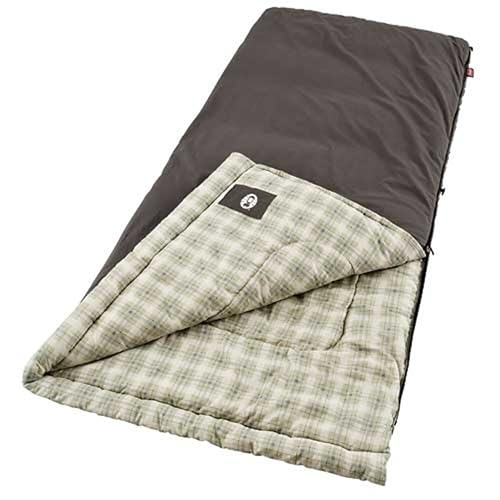
Best for tall adults needing a roomy, cold-weather sleeping solution. This 4-season bag is 40×84 inches, designed for adults up to 6’5″. It uses Holofill 808 insulation to hold heat at low temperatures, and a smart zipper system plus insulation-locking technology to prevent insulation shifting. It provides full coverage with a large, comfortable hood and a soft liner for added warmth on cool nights.
Who it’s best for: tall campers who want a roomy bag without compromising warmth. Why selected: proven cold-weather insulation and practical design features. Caution: bulkier than compact, lightweight options; not ideal for tight backpacking missions.
JEAOUIA Sleeping Bag (Navy)

Best for budget-conscious buyers seeking 3-season versatility with practical warmth. This bag accommodates most campers up to 5’11” and features a hooded design with a drawstring to trap heat. The outer shell is waterproof and breathable, while the inner lining aims for skin-friendly comfort. A foot zipper adds adjustable ventilation to adapt to changing temperatures.
Who it’s best for: casual campers or first-time buyers needing a reliable, affordable option. Why selected: balanced warmth, water resistance, and simple temperature range. Caution: not designed for extreme subzero conditions; performance drops in persistent cold below recommended thresholds.
ECOOPRO Warm Weather Sleeping Bag
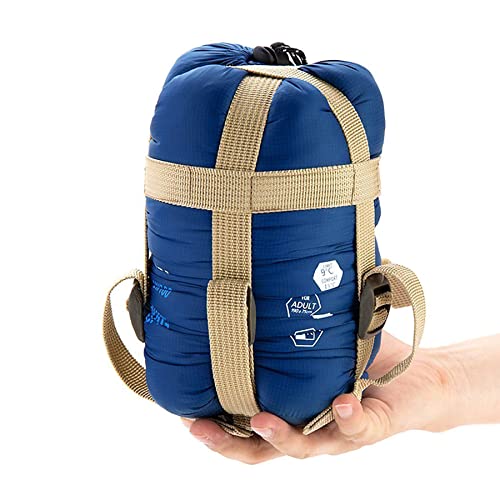
Best for lightweight backpacking in mild cold or summer camping. This bag is waterproof and weatherproof, designed to compress into a compact size with a lightweight envelope. It’s sized at 83 inches long and 30 inches wide, suitable for most adults or two children, and weighs lightly for easy transport. It’s tailored for travel-ready warmth in less extreme conditions.
Who it’s best for: hikers and backpackers prioritizing low weight and quick packing. Why selected: excellent portability and weather protection at a budget-friendly price. Caution: not a substitute for true cold-weather insulation in subzero environments.
Buying Guide
What temperature rating do I need?
Choose a bag whose rating matches the coldest temperatures you expect. Extreme-denali missions typically require ratings well below freezing (e.g., -10°F to -30°F). For milder trips, 10°F to 20°F can be adequate.
What construction matters?
Look for layered insulation (two-layer offset designs help prevent cold spots) and a robust shell (nylon ripstop is common) for durability in rugged environments. A hood and draft tubes around zippers add warmth retention.
How much bulk and weight are acceptable?
Trade-offs exist between warmth and packability. mummy shapes save space and heat more efficiently, while rectangular or oversized bags offer comfort and roominess at the cost of bulk.
What features improve comfort?
Inner linings that feel soft, moisture management, and a secure hood with drawstring are practical comfort features. Zipper efficiency and anti-snag designs help prolonged use on multi-night trips.
Price vs. performance
Premium insulation and durable shells increase price but improve warmth and longevity. Budget options often provide adequate winter performance for light use but may underperform in extreme cold or rugged weather.
FAQ
- What sleeping bag is best for Denali-like cold? Bags rated to -20°F to -30°F with layered insulation and a durable shell are well-suited for extreme cold and wind exposure.
- Are oversized bags worth it for cold camping? They offer extra warmth and space but require more pack space and heavier carry; choose when comfort and mobility inside the bag matter more than packing efficiency.
- Should I prioritize a hooded design? Yes, for nights with strong drafts or wind, a hood helps retain heat around the head and neck area.
- Is a 3-season bag acceptable for Denali conditions? Not ideal; for Denali-like expeditions, prioritize winter-rated bags with subzero performance.
- What is the advantage of a two-layer offset construction? It reduces cold spots by staggering insulation, improving overall warmth in cold environments.
- Do waterproof outer shells matter? Yes, in wet, snowy, or humid conditions, a weatherproof shell helps maintain warmth and dryness.