Answering the core buyer need: these sleeping bags are designed to keep you warm in cold nights, ranging from chilly spring camps to late autumn adventures. The top picks target mixed budgets and body types, from compact hikers to taller sleepers. Each option emphasizes warmth, moisture resistance, and compact packing for easy travel. The following selections are best for campers who prioritize low-temperature performance, space efficiency, and reliable insulation in unpredictable weather.
| Product | Best For | Key Benefit |
|---|---|---|
| SOULOUT 3-4 Season | Casual to mid-range campers, adults and kids | Water-resistant shell with soft interior and all-season insulation |
| Coleman Heritage Big & Tall 10°F | Tall adults and cold-weather trips | Heavy insulation with no-snag zipper for reliability |
| Rioyalo 0 Degree | Big and tall sleepers, cold-weather travel | Ultra-warm design with compact carry and machine washable |
| Atarashi 3-4 Season | Outdoor enthusiasts seeking fit and weather protection | Waterproof/windproof shell and draft protection |
| TETON Celsius 0 Degree | All-weather use, family-friendly warmth | Soft lining, draft tubes, easy packing |
SOULOUT 3-4 Season Sleeping Bag

The SOULOUT bag is a versatile option for both adults and kids. It combines a water-resistant outer shell with a soft interior for skin-friendly comfort. Its thick insulation is designed for 3- to 4-season use, making it suitable for spring, fall, and cooler summer nights. Best for campers who want a lightweight option that still retains warmth when weather turns damp. Caution: fabric may show wear with repeated heavy moisture exposure.
Coleman Heritage Big & Tall 10°F
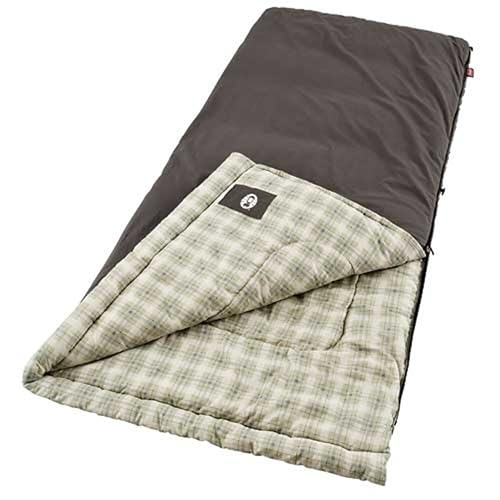
This tall sizing sleeping bag is built for adults up to 6’7″ and cold nights down to 10°F. It uses Holofill 808 insulation to retain warmth, and features a no-snag zipper and FiberLock to keep insulation in place. Best for tall campers who need extra length and robust warmth. Better for dry, cold nights; caution: bulkier and heavier than compact or 3-season options.
Rioyalo 0 Degree Winter Sleeping Bag

Designed for big and tall sleepers, this bag claims a 5°F comfort limit with a 0°F extreme rating, providing warmth through extreme conditions. It uses a 450GSM micro fiber fill and a 350+ GSM shell, packaged with a compression sack for portability. Best for winter expeditions or high-litness encampments where space is less critical than warmth. Caution: temperature ratings are guidance; individual comfort varies.
Atarashi 3-4 Season Sleeping Bag

Atarashi focuses on a semi-rectangular cut with a generous elbow/knee space and a half-circle hood. It uses 400GSM insulation and a 290T nylon shell with a DWR finish to resist moisture. Best for campers who want a roomy feel without sacrificing warmth, and who value integrated storage like a stash pocket. Caution: bulkier than mummy-style bags, which can affect packability for ultralight hikers.
TETON Celsius 0 Degree

The TETON Celsius offers a soft poly-flannel lining and a half-circle hood to trap warmth. It emphasizes a combination of draft tubes and double-layer construction to minimize cold spots. Best for all-weather use and families who want a reliable, roomy bag with straightforward packing. Limitation: heavier than standard 3-season bags, which may be less ideal for weight-focused hikers.
Buying Guide: Key Considerations For Cold-Weather Sleeping Bags
- Temperature rating and comfort zone: Look for bags with lower limit temperatures near or below your coldest expected nights. Remember that personal comfort varies, so use ratings as a reference rather than a guaranteed guarantee.
- Insulation type and fill: Down insulation provides warmth with less bulk but can lose insulating value when wet. Synthetic fills retain warmth when damp and are easier to care for; consider your typical camping climate and maintenance capacity.
- Shell material and water resistance: A durable, water-repellent outer shell helps protect against dew and light rain. For wet environments, prioritize fabric with a reliable DWR treatment or a water-resistant shell.
- Fit and size: A semi-rectangular or mummy cut affects warmth and mobility. Tall or big-and-tall sleepers should check length and width specs to avoid restricted movement and heat loss.
- Weight and packability: If you hike deep into backcountry, lighter and more compressible options benefit overall carrying comfort. Include a compression sack or dedicated carry bag in your assessment.
- Ease of care: Machine-washable options simplify maintenance, especially for families or frequent travelers. Be sure to follow washing instructions to preserve insulation and fabric.
- Additional comfort features: Draft collars, full-length draft tubes, hood adjustments, and stash pockets can improve warmth retention and convenience during cold nights.
Frequently Asked Questions
- What is the best temperature rating for casual winter camping? A rating around 20°F to 32°F is suitable for many spring, fall, and mild winter nights, but choose lower ratings if you expect harsher temps or wind.
- Should I choose down or synthetic insulation? Down offers superior warmth-to-weight and compressibility; synthetic performs better when wet and is easier to care for.
- How important is a water-resistant shell? Very important in damp climates to prevent fabric saturation and heat loss; it helps preserve insulation efficiency.
- What sizing should big-and-tall sleepers look for? Prioritize extra length and width for comfort and warmth; ensure there is enough space to move without creating drafts.
- Can I wash sleeping bags at home? Many bags are machine washable; follow manufacturer instructions to avoid damaging insulation or fabric.
- What is a good carry option for a cold-weather bag? A compact compression sack or a dedicated carry system helps reduce bulk and simplifies transport.