Looking for a sleeping bag with built-in foot ventilation? These options emphasize airflow at the foot box, helping regulate temperature on milder nights or in warmer weather. They’re ideal for campers who tend to overheat at the feet or who want adjustable warmth without overheating the rest of the body. The following picks include a mix of two-person and single-user designs, balancing space, warmth, and ventilation. Each section notes who it’s best for and why it stands out, plus a brief caution where relevant. A quick buying table at the end of the intro helps compare core specs at a glance.
| Product | Best For | Ventilation Note | Key Benefit |
|---|---|---|---|
| Kelty Tru.Comfort Doublewide 2P 20° | Couples/Shared comfort seekers | Two built-in foot vents with removable top layer option | Two-person space with independent comfort control |
| Coleman Big Bay 0/20/40°F | Cold-to-mild temperatures, bigger sleepers | Foot ventilation via zip/opening | Roomy, adaptable temperature range |
| Sierra Designs Cloud Zip 20° Down | Backpacking with lighter pack weight | Full zip with self-sealing foot area options (not traditional foot vent) | Lightweight, high-loft warmth |
| GEERTOP 2 Person with Dual Comfort Layer | Couples with differing warmth needs | Dual-zone design with two thermal blankets; no dedicated foot vent | Two comfort zones for shared sleeping |
| KingCamp XL 100% Cotton Flannel Lined | Casual camping; extra room | No dedicated foot vent; open-ended design | Extra room and warm cotton lining |
Kelty Tru.Comfort Doublewide 2P 20 Degree Sleeping Bag

Best for couples who want independent climate control. The two built-in blankets and two-way zip foot vents allow each sleeper to adjust warmth around the feet. Cloud Loft synthetic insulation delivers warmth in three seasons, with a roomy shoulder area and overall length designed to accommodate side-to-side movement. The removable top layer provides flexibility for warmer nights. The bag is wider than a queen-sized bed, offering 64 inches of shared shoulder space and 84 inches in length. This setup is ideal for couples or families who value shared space without sacrificing personal control over foot heat.
Who it’s best for: couples who want separate comfort zones and a removable top layer for temperature flexibility. Why selected: strongest combination of dual blankets, foot-vent options, and spacious interior for shared use. Caution: heavier than single sleepers and may require more packing space.
Coleman Big Bay 0/20/40°F Sleeping Bag

Designed for versatility across cool-to-cold conditions, this adult mummy-style bag features Coleman thermally efficient insulation for heat retention. The foot vent (J-zipper) lets you air out the footbox on warmer nights, helping prevent overheating in the tent’s sleeping area. A compressible stuff sack makes packing straightforward. This bag suits solo campers who want a flexible temperature range and an easy-to-use venting option, especially if sleeping in a shared tent where foot heat can be an issue.
Who it’s best for: solo campers seeking a broad temperature range with a dedicated foot-vent option. Why selected: clear foot-vent feature and reliable insulation. Caution: mummy design can feel restrictive for those who prefer more room at the feet.
Sierra Designs Cloud Zip 20 Degree Down
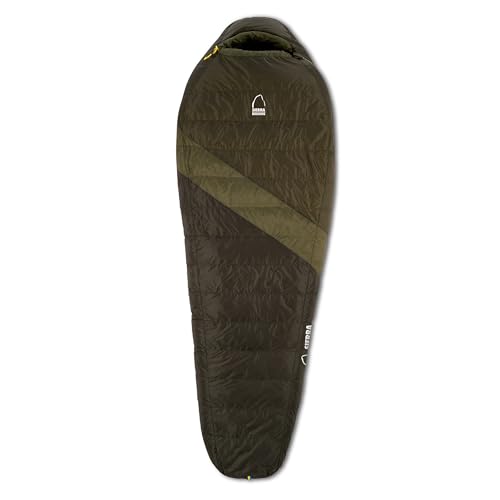
Ultralight and compact, this bag uses 800-fill power DriDown for warmth with a modern cloud-comfort feel. The Cloud Zip design provides a traditional mummy silhouette with a full zip and a self-sealing foot area, helping minimize heat loss around the feet while allowing some airflow through the zip. It’s a strong pick for backpackers who want a reliable, packable bag that maintains warmth during three-season trips. Note that it does not feature a dedicated foot vent, but the zip design allows flexible temperature management at the foot area.
Who it’s best for: backpackers prioritizing weight and warmth without a separate foot vent. Why selected: high loft warmth and compact packability. Caution: not a true foot-vent bag; airflow is achieved via zipper management rather than a dedicated vent.
GEERTOP 2 Person Sleeping Bag With Dual Comfort Layer

Designed for couples who want to manage warmth separately, this bag offers dual-zone comfort with two extra thermal blankets. The setup supports switching between a snug warmth layer and a more breathable blanket, which is helpful for differing temperature preferences in a single night. It does not include a dedicated foot vent, so airflow is achieved through layer management rather than a built-in vent. This model is best when two sleepers want independent warmth without sacrificing shared space.
Who it’s best for: couples with different warmth needs who still want close proximity. Why selected: dual comfort layers and the option to customize warmth for each sleeper. Caution: lacks a dedicated foot vent; airflow is manual via layering choices.
Coleman Big Basin 15°F Big & Tall Sleeping Bag

With a big-and-tall design for taller campers, this sleeping bag emphasizes heat retention in cold conditions. The ZipPlow zipper helps prevent snags and ensures smooth opening and closing. While it does not advertise a dedicated foot vent, the bag is built to maintain warmth throughout extended cold nights, making it a solid choice for tall individuals who camp in cooler environments. Choose this if you prioritize warmth protection in low temperatures and easier zipper operation.
Who it’s best for: tall campers seeking robust warmth and snag-free zippers. Why selected: strong insulation for cold nights and easy zipper design. Caution: no explicit foot vent feature mentioned; warmth is achieved by整体 insulation.
Buying Guide: Foot Vent Sleeping Bags And What To Check
Foot vent design helps control temperature at the lower extremities, which can reduce overall sweating and increase comfort during three-season camping. When selecting a sleeping bag with foot vents, consider these factors:
- Vent location and type: Look for dedicated foot vents (zippered or two-way zips) vs. adjustability via removable liners or blankets.
- Temperature rating: Ensure the rating matches your typical season and campsite climate. Higher altitude or windy nights may require more warmth.
- Size and fit: For couples or tall campers, verify shoulder width and total length to avoid cramped feet or restricted movement.
- Insulation type: Synthetic vs. down affects warmth, weight, and dry performance. Down is light but can lose loft when damp; synthetic dries faster and resists moisture.
- Weight and packability: Backpackers should prioritize lighter designs with efficient packing.
- Durability and materials: Look for durable shells and comfortable linings that won’t irritate the skin during long nights.
Frequently Asked Questions
- Do all sleeping bags with foot vents work in cold weather? Some offer foot vents designed for warmer nights, but many are optimized for three-season use. Check the temperature rating and vent design before buying.
- Are two-person sleeping bags better for couples? They save space and promote shared warmth, but may limit individual temperature control. Look for models with independent ventilation or removable layers if possible.
- What’s the advantage of a full zip vs. foot vents? Full zips provide flexible entry and temperature management, but can add weight. Foot vents target specific warmth control at the feet.
- Can foot vents affect insulation reliability? If used improperly, venting can allow heat loss. Use vents when needed and close them when extra warmth is required.
- Is down insulation better than synthetic for warmth? Down offers higher warmth-to-weight but can be less forgiving in damp conditions; synthetic retains heat better when wet and dries faster.
- How should I care for a sleeping bag with foot vents? Clean per manufacturer instructions and store uncompressed to maintain loft. Keep vents free of debris to ensure smooth operation.
Overall, the best sleeping bags with foot vents combine adjustable airflow with sufficient insulation to match your camping style. The Kelty Tru.Comfort Doublewide stands out for couples needing dual ventilation and space, while the Coleman Big Bay and Big Basin provide solid cold-weather performance with practical venting or easy zippers. For ultralight backpacking, Sierra Designs Cloud Zip offers high warmth with a minimal weight footprint, though it trades a dedicated foot vent for efficient sealing and full-length zip flexibility. GEERTOP and KingCamp options emphasize dual comfort or extra space, appealing to campers who value shared warmth or roominess but may not rely on explicit foot-vent features. When choosing, prioritize your typical camping temperatures, moisture conditions, and whether you sleep hotter at the feet to determine the ideal balance of venting and insulation.