If you’re camping in near-freezing to cold conditions, the right sleeping bag can be the difference between a restful night and a chilly, restless one. This guide highlights five top options rated around 10°F to 30°F that suit adults, big-and-tall sleepers, and outdoor enthusiasts who need extra room. Each pick is explained with who it’s best for, why it was selected, and a practical limitation to consider.
| Product | Temperature Rating | Size / Fit |
|---|---|---|
| MEREZA 0 Degree Winter Sleeping Bag | 10°F – 30°F (comfort ~30°F) | 33.5″ x 90.5″; fits up to 7 feet |
| ZOOOBELIVES 10 Degree Down Sleeping Bag | Comfort 32°F | Lower 10°F | Extreme 0°F | Mummy design; roomy fit |
| rioyalo 0 Degree Winter Sleeping Bag | 5°F – 32°F range | 11.8″ x 74.8″; 6’10” max height |
| ShinHye 0 Degree Sleeping Bag | Comfort 30°F | Limit 14°F | Extreme 0°F | 90″ x 35″; XXL big-and-tall option |
| Coleman Heritage Big & Tall 10°F | 10°F rating | 40″ x 84″; fits up to 6’5″ |
All five picks are designed to maximize warmth and comfort in cold-weather settings. The table helps you compare core specs at a glance, so you can pick a bag that matches your height, insulation needs, and packing constraints.
MEREZA 0 Degree Winter Sleeping Bag

Best for: campers who want extra room and a versatile 4-season option. This rectangular sleeping bag supports sleepers up to 7 feet with a spacious 33.5 by 90.5 inches footprint. A separated bottom zipper allows ventilation of the foot section for temperature control, or full opening as a blanket. The bag uses a waterproof and windproof 210T shell with a soft 240T lining, and is filled with thick hollow cotton for breathability and warmth. Caution: the weight is around 5.7 pounds, which may be heavier than ultra-compact bags for minimalist trips.
ZOOOBELIVES 10 Degree Down Sleeping Bag
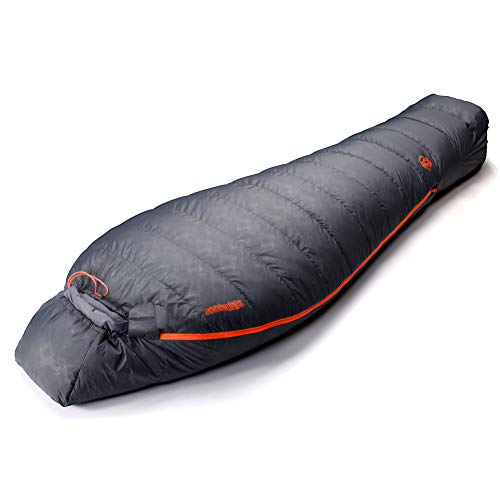
Best for: campers who want a compact, high-will-warmth-to-weight ratio. It features 550+ fill power down, an insulated draft tube and a 3D foot box to minimize heat loss. The bag includes an adjustable hood and draft collar, along with a durable 20D ripstop shell. Caution: down warmth depends on a dry environment; moisture can reduce loft and warmth, so consider a dry, layered setup or a sleeping pad for added insulation.
rioyalo 0 Degree Winter Sleeping Bag

Best for: big-and-tall users who need extra length and space. This bag is noted for being ultra-spacious with a 7.2-foot length and wide 2.6-foot width. It uses a premium 450GSM micro-fiber filling and a water-resistant shell. A caution: the external size means you may need a larger pack or vehicle space, and machine washing requires careful handling to maintain loft.
ShinHye 0 Degree Sleeping Bag

Best for: big-and-tall campers who prefer a roomy, flannel-lined interior with hood and dual zippers for easy ventilation. The 90-by-35 inch dimension accommodates taller sleepers, and the internal pressure-neck design reduces heat escape. Caution: the bag weighs about 7.5 pounds, which can be heavier for backpacking trips or fast-moving itineraries.
Coleman Heritage Big & Tall 10°F

Best for: campers up to 6’5″ who want a particularly warm option with a no-snag zipper and easy machine-washing. This 4-season bag emphasizes thermal retention in cold conditions and includes a Thermolock draft tube to minimize heat loss. Caution: if you are taller than 6’5″, this bag may feel shorter and less accommodating.
Buying Guide — Key Considerations When Choosing a 10 Degree Sleeping Bag
- Temperature rating versus comfort: A 10°F to 32°F rating helps you estimate warmth, but personal comfort varies with humidity, wind, and layering.
- Shape and space: Rectangular bags offer roominess; mummy bags save weight. Big-and-tall designs suit taller sleepers but may be bulkier to pack.
- Insulation type: Down provides warmth-to-weight efficiency but can be sensitive to moisture; synthetic insulations are often bulkier but perform better when damp.
- Shell and lining materials: Water-resistant shells protect against dew and moisture; soft linings improve skin comfort at night.
- Packability and weight: Consider your carry load for hikes or backpacking trips. Bags with compression sacks save space but may reduce loft if stored long-term.
- Zipper design and ventilation: Zippers with draft tubes or double sliders help regulate temperature without heat loss.
Frequently Asked Questions
- What does a “0 degree” sleeping bag mean for temperature ranges?
– It indicates the bag is designed to keep you warm in very cold conditions, potentially down to around 0°F with proper layering and a sleeping pad. - Is down insulation better than synthetic for cold weather?
– Down typically offers higher warmth-to-weight but can lose loft when wet; synthetic insulates better when damp and dries faster. - How should I choose between a rectangular and a mummy bag?
– Rectangular bags offer more space and comfort; mummy bags conserve weight and heat, better for tight packs and wind exposure. - Can these bags be used for conditions beyond 10°F?
– Yes, they can be used in milder conditions with appropriate layering; always follow manufacturer temperature guidance and test in safe environments first. - What should I pair with a cold-weather bag for extra warmth?
– A good insulated sleeping pad, a thermal base layer, and a hooded beanie can significantly improve warmth and reduce heat loss. - Are these bags machine-washable?
– Several models listed offer machine-washable options; always follow care instructions to preserve loft and insulation.