For versatile comfort across spring, summer, and fall, a well-chosen 3-season sleeping bag is essential. This guide highlights five reliable options suited for different sleepers and environments, from backpackers seeking lightweight gear to families needing extra room. Each product section explains who it’s best for and why it stands out, plus a practical caveat to consider before you buy. Below is a quick summary table to compare the picks at a glance.
| Product | Best For | Seasonality | Notable Benefit |
|---|---|---|---|
| Atarashi 3-4 Season Sleeping Bag | Adults and taller sleepers | 3-4 seasons | Warmth with draft collar and hood |
| VENTURE 4TH 3-Season XXL | Tall users and budget-conscious hikers | 3 seasons | XXL size and lifetime replacement guarantee |
| SOULOUT 3-4 Season | Casual campers and travelers | 3-4 seasons | Water-resistant shell and roomy interior |
| HTMEYBG 3 Seasons Sleeping Bag | Beginner backpackers | 3 seasons | Low pack weight with multi-use design |
| SWTMERRY 3 Seasons | All-around outdoor explorers | 3 seasons | Double-filled weather resistance |
Atarashi 3-4 Season Sleeping Bag for Adults

The Atarashi sleeping bag is designed for adults up to about 5’11” with a roomy 33″ by 87″ silhouette. It uses 12oz/yd² polyester insulation and 400GSM fill, delivering warmth across 32-77°F (0-25°C). The 290T nylon shell has a DWR finish, offering water and wind resistance for damp campground mornings. A half-circle hood, full-length draft tube, and a draft collar help regulate temperature and minimize heat loss. Best for: taller campers who want a generous cut and reliable warmth in variable conditions. Caution: weight is ~4.2 lb, which may be heavier for ultralight hikers.
VENTURE 4TH 3-Season XXL Sleeping Bag
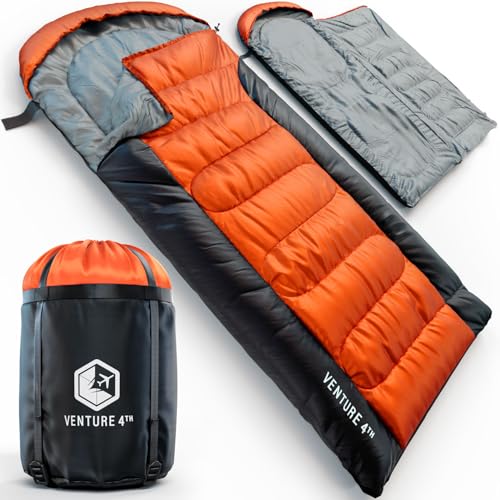
This XXL sleeping bag measures 90″ x 39″ to accommodate tall sleepers who need extra shoulder and hip room. It is designed for comfort in 30-70°F temperatures, with a breathable construction that helps prevent overheating. The sleeping bag includes a two-way zipper to tailor airflow. Best for: tall campers who want a spacious fit and stable sleep temperature. Caution: long size may take more space in a compact pack.
SOULOUT 3-4 Season Sleeping Bag

The Soulout bag uses a water-resistant outer shell and a soft interior for skin-friendly comfort. It features thick insulation for all-season warmth and is suitable for spring, fall, and cooler summer nights. Best for: casual campers who prioritize moisture resistance and a softer interior. Caution: exact temperature ranges vary by individual metabolism, so consider layering for extra warmth in chilly nights.
HTMEYBG Sleeping Bag 3 Seasons

The HTMEYBG bag uses a 3-season design with a 50℉-68℉ comfort range and a 41℉-77℉ limit range. It can be opened fully to serve as a blanket for picnics, and it includes a waterproof and breathable nylon outer shell with a soft interior lining. Best for: beginners seeking a versatile bag that performs in a range of conditions. Caution: weight and bulk may be higher than compact ultralight options.
SWTMERRY Sleeping Bag 3 Seasons
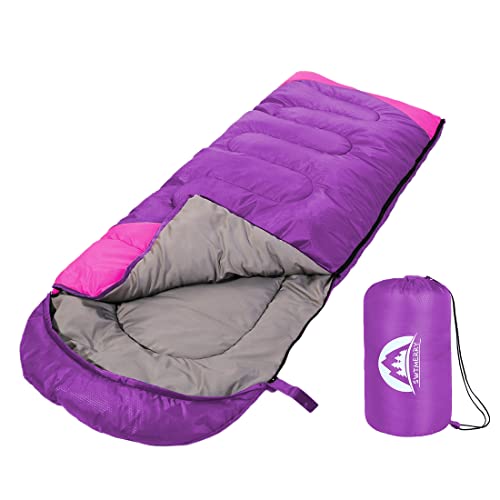
SWTMERRY offers a three-season design with double-filled insulation for enhanced warmth and weather resistance. It’s designed for both summer nights and cooler shoulder seasons, making it a versatile choice for backpacks and camping trips. Best for: adventurers who need reliable warmth without excessive weight. Caution: some users may prefer a more compact packable option for ultralight backpacking.
Buying Guide
What to consider when choosing a 3-season sleeping bag
- Temperature rating and comfort range: Look for a bag rated for at least 30-70°F (−1 to 21°C) to cover spring, summer, and fall nights. Your own warmth preferences and sleep habits matter.
- Shell and interior materials: Water-resistant shells help with dew and light rain. A soft lining adds comfort for skin contact and longer sleep.
- Insulation type and weight: Synthetic insulation handles moisture better and dries quickly, while down offers warmth-to-weight efficiency but can be less forgiving in damp conditions.
- Fit and length: Ensure the bag accommodates your height with adequate shoulder, hip, and foot room. XXL or wide cuts are useful for tall or broader sleepers.
- Shape and versatility: Semi-rectangular or rectangular designs offer space for movement; shapes that allow full opening can double as a blanket for warm days.
- Weight and packed size: If you hike or backpack, consider a bag’s packed dimensions and weight to balance comfort with portability.
- Additional features: Draft tubes, hoods, draft collars, stash pockets, and zippers that open fully can improve temperature regulation and convenience.
How to pick the right bag for your activities
- Backpacking and long treks: Favor lighter weight and compact packs, with reliable wind and water resistance.
- Car camping or family trips: Prioritize extra room, comfortable cloud-like lining, and durability over ultra-light weight.
- Cold nights in shoulder seasons: Choose bags with higher fill power or insulation to maintain warmth with a reliable hood and draft control.
Care and maintenance tips
- Dry insulation properly after moisture exposure; store loosely to preserve loft.
- Use a compression sack for transport but avoid compressing long-term to prevent insulation damage.
- Follow manufacturer washing instructions to maintain fabric integrity and water repellency.
FAQ
- What does 3-season mean? It indicates the bag is suitable for spring, summer, and fall conditions, typically with a comfort range around 50-68°F for many users.
- Is synthetic insulation better in wet conditions? Yes, synthetic retains warmth when damp and dries faster than down.
- Should I choose a rectangular or mummy shape? Rectangular or semi-rectangular shapes provide more room and comfort for side sleepers; mummy shapes are lighter and warmer but less roomy.
- Can a 3-season bag replace a winter bag? Not for sustained cold or sub-freezing nights; a dedicated cold-weather bag is still needed for harsh winter conditions.
- What size should I get if I’m tall? Look for XXL or extra-long options to avoid restricted mobility and cold feet.
- How important is a hood? A hood with a drawstring helps retain heat around your head and can significantly improve warmth on cold nights.