When choosing a sleeping bag for cold conditions, look for high fill power, robust insulation, and a design that minimizes drafts. This guide highlights five cold-weather options that balance warmth, roominess, and value for American campers. Best for hardcore winter campers: Coleman Heritage Big & Tall; best for extreme cold tolerance: HiZYNICE; best all-round warmth: FARLAND; best for 30°F comfort: Coleman Brazos; best versatile 3-4 season: TANSTRIDER.
Buyer type at a glance:
– Cold-weather adventurers needing extra room: Coleman Heritage Big & Tall
– Extreme cold tolerance with a tall build: HiZYNICE
– Balanced warmth for winter trips and shoulder seasons: FARLAND
– Budget-friendly cool-weather trips with reliable warmth: Coleman Brazos
– Flexible 3-4 season use for varied climates: TANSTRIDER
Summary table of chosen products
| Product | Best For | Key Feature | Limitations |
|---|---|---|---|
| Coleman Heritage Big & Tall 10°F | Adults up to 6’7″ | 5 lb Holofill 808 insulation | XL size, 4-season design |
| HiZYNICE Sleeping Bags | Tall sleepers seeking extreme cold protection | 0°F extreme temp rating, 90″ long | 90″ length; zip access complexity |
| FARLAND Sleeping Bag | Cold-weather hikers and campers | 400g/㎡ micro plush filling | Best at 14°F limit |
| Coleman Brazos 20/30°F | Casual winter campers | Thermolock draft tube | Lower temp limit around 30°F |
| TANSTRIDER Sleeping Bags | 3-4 season versatility | Compressible, 86.6 x 31.5 in | Draft protection, water resistant shell |
Coleman Heritage Big & Tall 10°F Flannel Sleeping Bag
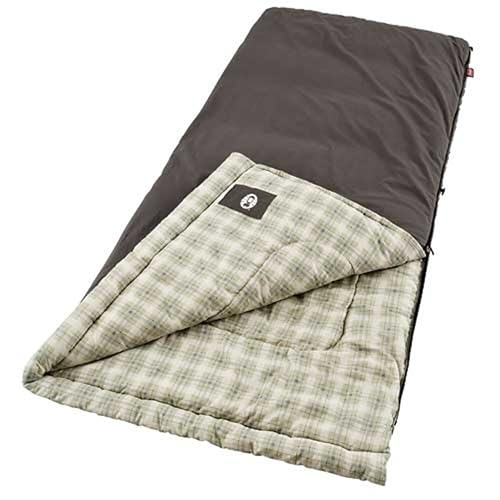
This sleeping bag is designed for adults up to 6’5″ with a warm 10°F rating and a roomy 40″x84″ footprint. The 5 pounds of Holofill 808 insulation help retain body heat in subfreezing conditions. It features a no-snag zipper and FiberLock to prevent insulation shifting, which supports comfort on longer camping trips. Best for tall sleepers who want extra warmth without sacrificing legroom. Caution: heavier insulation can reduce packability for hikers prioritizing ultralight gear.
HiZYNICE Sleeping Bags for Adults Cold Weather

HiZYNICE offers a tall, 90″ long bag with a 0°F extreme rating and a 15°F comfort limit, making it suitable for very cold nights. The 100% cotton flannel lining provides a soft feel, and anti-snag zippers allow flexible venting. The design fits campers up to 6’7″ and suits side sleepers who want a roomy feel. Best for extreme cold sleepers who still want easy access. Limitation: cotton lining can absorb moisture more readily than synthetic fabrics in damp conditions.
FARLAND Sleeping Bag For Adults

The FARLAND bag emphasizes a fleece-lined interior and a windproof, waterproof shell. Its 86.6″ x 32.68″ dimensions cater to most adults, with comfort ranges roughly around 32°F to 50°F and a lower limit near 14°F. This makes it a solid option for winter camping and indoor/outdoor trips alike. Best for campers who want a soft, blanket-like feel with robust protection from wind and light moisture. Caution: heavy fleece and insulation may add to bulk for minimalist travelers.
Coleman Brazos 20/30°F Sleeping Bag

The Brazos model targets campers who sleep in temperatures down to around 30°F and up to 6’0″ in height. It features a Thermolock draft tube along the zipper to minimize heat loss and is machine washable for easy maintenance. Best for budget-conscious campers who still require dependable warmth. Limitation: not as effective in near-freezing extremes as higher-rated bags, and the height fit may be shorter than tall users.
TANSTRIDER Sleeping Bags For Adults Cold Weather

The TANSTRIDER bag is designed for 3-4 season use with a roomy 86.6 by 31.5 inches footprint and a lightweight 4 lb build. Its water-resistant shell helps protect against light moisture, while the top drawstring hood tightens for head warmth. Best for travelers needing a versatile bag for changing climates; choose this if you want a flexible, multi-season option. Caution: comfort temperatures may vary; check the stated range to ensure suitability for your climate.
Buying Guide: Key Considerations For Cold-Weather Sleep Systems
- Temperature rating: Pay attention to extreme rating vs. comfort rating. Cold-weather use typically benefits from a bag with an extreme rating near or below expected low temps.
- Insulation type and weight: Synthetic insulation resists moisture and dries quickly; down offers warmth-to-weight advantages but may require careful care.
- Size and fit: Taller sleepers should look for bags that accommodate length and width. A bag that’s too tight can sap warmth and comfort.
- Shell and lining: Windproof, water-resistant shells plus warm interior linings prevent heat loss and keep you dry.
- Weight and packability: For backpackers, balance warmth with weight and bulk. Consider compression sacks and carry capacity.
- Design features: Draft tubes, anti-snag zippers, hood adjustments, and draft collars can meaningfully improve warmth retention.
- Intended use: Four-season bags suit winter camps, while three-season bags may suffice for late fall or early spring conditions.
Frequently Asked Questions
- What temperature rating should I choose for winter camping?
– Choose a bag with an extreme rating at or below the coldest temperatures you expect, plus a warm comfort rating for typical nights. - Is a taller sleeping bag necessary for tall individuals?
– Yes. A longer bag provides sufficient foot room and reduces pressure points, improving warmth and comfort. - Should I prioritize down or synthetic insulation?
– Down offers better warmth-to-weight but loses insulating value when wet; synthetic retains warmth with moisture and dries faster. - Do I need a separate ground pad?
– Yes. A pad adds insulation from the ground and helps reduce heat loss; many cold-weather bags perform best with a compatible pad. - How important is the shell material for cold weather?
– A windproof, water-resistant shell protects against draft and moisture, which is essential in freezing conditions. - Can I use a three-season bag in winter?
– It depends on the climate and weather; in harsh conditions, a four-season or extreme-rated bag is safer for warmth.