Finding the right sleeping mat for tent camping hinges on comfort, packability, and setup speed. This guide highlights five top options suited to different campers—from solo trekkers to two-person car campers. Each selection is evaluated for support, durability, and ease of use, helping you pick the best fit for your outdoor nights.
Quick comparison at a glance:
| Product | Best For | Key Benefit | Limitations |
|---|---|---|---|
| FUN PAC Camping Sleeping Pad | Lightweight backpackers | Built-in pillow; fast inflate | Compact size may feel firmer for side sleepers |
| Wakeman Foam Sleeping Pad | Budget-friendly comfort | Solid foam insulation | Heavier and bulkier |
| FNARMW 5″ Thick Pad | Cold-weather or rough ground | Extra-thick cushioning | Heavier to carry |
| BriziAerie Ultra Lightweight | Indoor/outdoor versatility | 9 cm thickness; built-in pump | May be pricier |
| Pretyw 4″ Thick Double Pad | Two-person camping | Two-person space; fast pump | Bulkier when packed |
FUN PAC Camping Sleeping Pad

The FUN PAC sleeping pad is a self-inflating, ultralight mat with a built-in pillow. Sized up to 78 by 27 inches and 8 inches thick, it keeps sleepers off uneven ground and rocks. The egg-shaped air cells support the neck and back, promoting a natural alignment whether you sleep on your back or side. The built-in pump inflates in 30–60 seconds, and deflation takes about one second. Two-layer valve design minimizes air leaks, and its compact form makes it ideal for hiking and backpacking. Best for solo hikers who want quick setup and a pillow-in-one solution; avoid if you prefer a very soft, sink-in feel.
Who it’s best for: Solo campers prioritizing fast setup and compact gear, with a preference for integrated pillow support.
Selected for: Lightweight backpackers who want a balanced blend of comfort, portability, and rapid inflation. A minor limitation is that some side sleepers might still notice firmer support, depending on inflation level.
Wakeman Foam Sleeping Pad
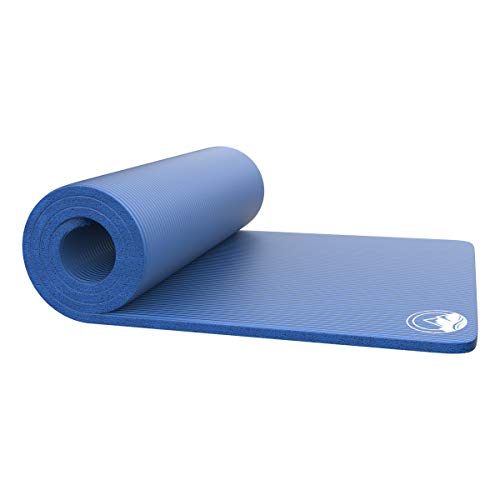
The Wakeman foam sleeping pad is a 1.25-inch-thick foam pad designed for stability and warmth. At 72 inches long, it fits most cots and provides a reliable surface for bigger sleepers. It weighs about 3 pounds and rolls to a compact size, with a carrying strap for easy transport. The waterproof, non-slip surface helps reduce ground moisture exposure while preserving warmth. Best for budget-conscious campers who value simple, durable foam; choose a different option if you need a lighter weight or more contouring support.
Who it’s best for: Campers seeking a straightforward, affordable foam option with dependable insulation and a simple carry solution.
Selected for: Those who value non-slip footing and waterproofing over high-tech inflation. A potential limitation is its heavier feel and bulk compared with self-inflating or air mats.
FNARMW 5″ Extra Thick Camping Pad

The FNARMW sleeping pad offers 5 inches of thickness for hotel-like comfort outdoors. It measures 79 by 28 inches and includes a built-in pillow with a foot-pump for fast inflation in about 60 seconds. Its quick-release valve deflates in a second, aiding rapid packing. Made with heavy-duty 50D nylon and TPU coating, it supports up to 800 pounds, making it suitable for car camping and rough ground. Best for campers needing substantial cushion and rugged durability; consider a lighter option if backpacking is the goal. Note that higher thickness can reduce packability.
Who it’s best for: Car campers or family trips where extra cushioning and durability are priorities, or dual-use as a cot alternative.
Selected for: Strong contour and support for back sleepers or heavier users. A caveat is its higher weight and bulk when packed.
Sleeping Pad Camping by BriziAerie

The BriziAerie pad is an ultra-light option featuring a 9 cm thickness for deeper sleep. It uses a built-in foot pump for inflation in 30–60 seconds and deflation in one second. The kit uses premium 40D nylon with TPU for durability and water resistance, along with a double-layer compression system to improve load handling. Best for those who want indoor-like comfort outdoors and value quick setup; it may be pricier than basic foam pads. Avoid if you need maximal packability in ultralight backpacking.
Who it’s best for: Campers seeking a thicker, cushier feel with a built-in pump and dependable durability for varied terrains.
Selected for: Comfort-focused users who want a versatile mat for both indoor-style rest and outdoor use. A potential limitation is higher weight and cost relative to foam options.
Pretyw Double Sleeping Pad

The Pretyw double sleeping pad inflates to 4 inches and measures 78 by 54 inches, making it suitable for two people. It includes a built-in pillow and a foot pump for quick setup within a few minutes. Constructed from ultra-thick 40D nylon with a multi-layer TPU design, it emphasizes durability and waterproof performance. Best for couples or two-person camping trips; choose this if space and shared warmth are priorities. A limitation is its larger packed size compared with solo mats.
Who it’s best for: Two-person campers who want a spacious sleeping area and fast inflation without extra equipment.
Selected for: The two-person camping niche where shared comfort and quick deployment matter. A caution is the increased bulk for packing and transport.
Buying Guide: Key Considerations for Sleeping Mats
How thick should a tent sleeping mat be? Thickness ranges from about 1–5 inches for solo use to 4–5 inches for enhanced comfort on hard ground. Thicker mats provide more cushion but are heavier and bulkier to pack. If you sleep on your side, a thicker pad or more contouring support may help maintain spinal alignment.
What is the best inflation method? Self-inflating pads strike a balance between setup speed and portability, while built-in foot pumps simplify inflation for quick readiness. Foam pads require no inflation but are heavier and bulkier. Consider your trip type: ultralight backpacking favors self-inflating or foam with compact packing.
What materials affect durability and warmth? Nylon with TPU coatings offers water resistance and ruggedness, while foam provides steady insulation even if punctured. Memory foam adds plush comfort but can be heavier. Choose materials based on terrain, weather, and the need for insulation from cold ground.
Does packability matter for your trip style? Solo hikers usually prioritize compact, light mats. For car campers and couples, larger pads with built-in pillows and dual-inflation options can save space and add comfort in the tent interior.
FAQ
- Are self-inflating pads better than foam mats? Self-inflating pads balance weight, comfort, and setup speed; foam mats are the simplest and most durable but heavier and bulkier.
- Is a built-in pump worth it? If you value quick setup, built-in pumps reduce effort and time, especially in cold or damp conditions.
- Should I choose a two-person pad for tents? Two-person pads are ideal for couples or shared space, but they require more packing room and weight.
- How important is thickness for back sleepers? Back sleepers often benefit from thicker or well-contoured pads to relieve pressure points and maintain spinal alignment.
- Can a pad replace a proper sleeping bag? A pad is essential for insulation and comfort, but it should be paired with an appropriate sleeping bag for warmth and moisture control.
- What terrain should influence my choice? Rough ground or cold ground benefits from thicker, insulating pads, while smooth ground can be comfortable with thinner options.