Choosing a compact, odor-free composting toilet for a van or tiny home depends on how you use the space, your power and plumbing access, and how you manage waste. This guide highlights five top options that balance size, odor control, and ease of use for tight builds. Best for continuous off-grid living? Pick electric agitation and a urine-diverting design. Best for no-power setups? A portable, waterless model shines. Each entry explains who it’s best for, why it was selected, and a practical limitation to consider. The table below helps you compare at a glance.
| Product | Best For | Key Benefit |
|---|---|---|
| OGO Origin Composting Toilet | Van life with a tight footprint | 12V electric agitator for effortless mixing; urine-diverting, no black tank |
| NOMAD by OGO Portable Toilet | No-electric, off-grid adventures | No power needed; lightweight and easily portable |
| TRELINO Evo S Gray | Compact spaces with odor control | 1.2 gal urine and 1.6 gal solid waste capacities; odorless design |
| Nature’s Head Self Contained | DIY-friendly, long-term van RVer | Self-contained with easy installation and strong odor control |
| Separett Villa Urine-Separating | High-capacity, off-grid setups | Urine-separating, waterless operation for extended use |
Note: For each product, consider how you power the unit, how often you can empty or service it, and whether you prefer a urine-diverting system to minimize odor and tank handling. The selections below focus on small footprints, reliable odor control, and simple maintenance for vehicles, tiny homes, and boats.
OGO Origin Composting Toilet
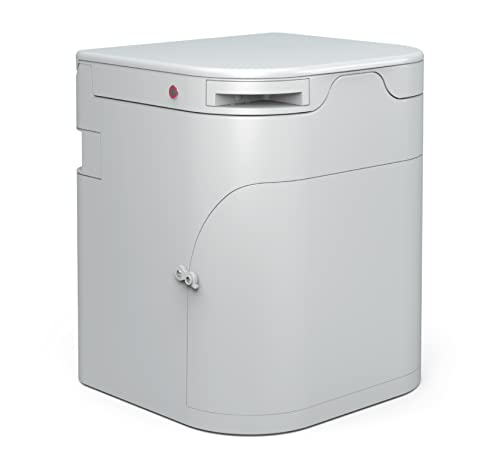
The OGO Origin is designed for the tightest van builds and small boats. Its 15″ x 16″ footprint fits corners many other units can’t reach, offering more legroom and a modern appliance look in a compact package. A push-button electric agitator provides quick mixing with a 12V motor, eliminating manual cranking and reducing odor chances. The urine-diverting design separates liquids into a separate 2.4-gallon bottle, keeping solids in the rear bin for dry waste and minimal odor between emptying sessions.
Best for: Vans with limited bathroom depth and owners who value a true toilet feel without the bulk of standard RV models. It’s also suitable for tiny homes or boats where space is at a premium. A caution: the unit relies on a 12V power source for agitation, so plan wiring and battery capacity accordingly.
NOMAD by OGO Portable Compost Toilet

The NOMAD is built for campers who need a simple, no-electric solution. Its design emphasizes portability and a compact footprint that fits truck beds, tents, rooftop-style setups, and small vans. The odor-free urine-diverting system prevents tank odors without chemicals, black tanks, or septic connections. Without a power source, it’s ideal for off-grid trips where simplicity and light weight matter the most. A limitation to consider: you must manage waste manually, which may not suit all users.
Best for: Adventurers who prioritize a lightweight, no-power option and easy storage between trips. Choose this if you want reliable odor control without electrical dependencies.
TRELINO Evo S Gray

The Evo S Gray from TRELINO balances compact design with practical capacity. It uses a separation and drying function to minimize odors and allows independent emptying of the urine and solid waste containers. The urine container holds 1.2 gallons while the solid container holds 1.6 gallons, providing space for multiple uses before emptying. This model is well-suited for vans and small boats where a quiet, odorless experience is essential. Caution: ensure you have a comfortable access route to both containers for emptying and cleaning.
Best for: Van dwellers who want a compact yet capable unit with clear container separation for odor control. Better for those who prefer a straightforward, non-electric approach while still maintaining good comfort levels.
Nature’s Head Self Contained Composting Toilet
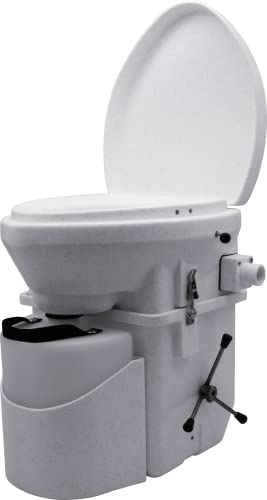
The Nature’s Head unit is a classic choice for DIY-leaning van conversions. It’s self-contained, making installation straightforward for many non-plumbed setups in compact spaces. The design emphasizes odor control and reliability, with a focus on long-term use and simple maintenance. While installation can vary by vehicle, this model is favored by many who want a robust, long-term composting solution in a small footprint. A caution: some users find the initial setup challenging due to space planning and venting considerations.
Best for: Builders and campers who want a dependable, field-proven composting toilet with strong odor control and broad compatibility with DIY van builds. Choose this if you value a proven solution with established support and parts availability.
Separett Villa Urine-Separating

The Separett Villa uses urine separation to minimize tank odors and water usage, making it a solid option for off-grid applications. It is designed for extended use between emptying cycles and does not require a water connection, which suits many van and tiny home scenarios. Its high-capacity feel comes from a design that accommodates longer trips between maintenance. A caveat: you’ll need to ensure you can manage the waste streams (urine and solids) according to local disposal guidelines and that you have appropriate ventilation planning for odor control.
Best for: Off-grid or remote setups where waterless operation and minimal plumbing are priorities. Choose this if you want a sophisticated urine-separating system that reduces frequent maintenance and tank handling.
Buying Guide: Key Considerations For Your Small Composting Toilet
- Power needs: Do you want electric agitation or a fully non-electric model? In tight van builds, a 12V system can be easily integrated, but off-grid trips may benefit from non-electric options.
- Odor control: Is urine separation important to you? Urine-diverting designs reduce odors and simplify waste handling, especially on long trips.
- Capacity and waste management: Check urine and solid waste container sizes. Larger capacities reduce frequent emptying but may increase footprint.
- Ease of installation: Self-contained units are easier to install in vans, but your vehicle’s layout and venting requirements should be planned in advance.
- Maintenance needs: Consider how easy it is to clean, empty, and service each model. Some have manual mixers; others rely on electric agitation.
- Portability vs. permanence: Portable options offer flexibility, while fixed units provide a more traditional “toilet-like” experience in a dedicated space.
- Ventilation and placement: Odor control is improved with proper venting and location planning within your van or tiny home.
FAQ
- What is a urine-diverting toilet? It separates liquids from solids to reduce odors and simplify waste handling.
- Do all composting toilets require electricity? No. Some models are fully manual, while others include a 12V agitator for ease of use.
- How often can you go between emptying cycles? This depends on the container sizes and usage. Larger capacities reduce frequency but may require more space.
- Can a composting toilet replace a black tank? In many off-grid setups, yes, with proper design and venting, but always verify local regulations and your vehicle’s capabilities.
- What maintenance is involved? Regular emptying of liquids and solids, cleaning, and occasional mixing of waste are typical tasks, varying by model.