Answering the need for compact, warm, and easy-to-carry sleep solutions, this guide highlights five small-down sleeping bags that pack tight without sacrificing comfort. Ideal for minimalist backpackers, weekend hikers, van-lifers, and travelers who value space as much as warmth, these options balance weight, packability, and temperature rating. Below you’ll find concise, comparison-friendly details, including who each bag is best for and why it stands out.
Product overview
- Best for ultralight backpacking and solo trips: ZOOOBELIVES Ultralight Backpacking 32-50F Down Sleeping Bag
- Best for budget-conscious hikers who need warmth: ShinHye Ultralight Down Sleeping Bag
- Best for all-season versatility in a mummy shape: Teton Trailhead 20 Degree Sleeping Bag
- Best for compact sizing with reliable warmth: QEZER Down Mummy Sleeping Bag
- Best for sustainable materials and Colorado design: Kelty Cosmic 20 Down Mummy Sleeping Bag
- Best for ultralight, cloud-like feel in 3-season use: Naturehike Ultralight RDS Down Bag
Quick buying table
| Product | Fill | Approx Weight | Best For | Notes |
|---|---|---|---|---|
| ZOOOBELIVES Alplive T400 | 650 Fill Down | 1.7 lb | Backpacking & Summer camping | Rectangular shape; expand to double bag |
| ShinHye YR500 | Premium Duck Down | lightweight | 3-season hiking | Waterproof fabric; two-way zips |
| Teton Trailhead 20 | Microfiber insulation, 550 Fill | lightweight | Backpacking & camping | Draft tube; roomy footbox |
| QEZER 600 Fill | 600 Down | compact | Camping & hiking | Warm 54–41°F range; compact |
| Kelty Cosmic 20 | 550 Fill | compact | Backpacking & camping | Sustainable fabrics; PFAS-free DWR |
| Naturehike 650 Fill | 650 Down | ultralight | 3-season backpacking | Multiple sizes; cloud-like wrap |
ZOOOBELIVES Ultralight Alplive T400 Sleeping Bag
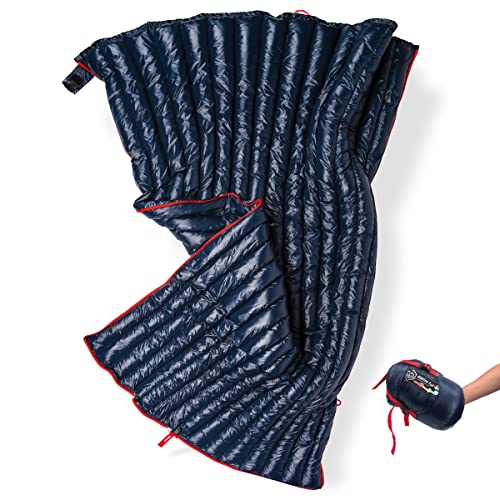
The ZOOOBELIVES Alplive T400 offers a compact 32-50°F comfort rating with a 1.7 lb weight. It is designed for ultralight backpacking, packing down to an 11″ x 6.7″ sack, making it a top choice for hikers who must minimize bulk. The rectangular shape provides space to move, and it can be zipped with another Alplive 400T bag to form a double sleeping bag. The bag’s down insulation aims to provide warmth while maintaining compressibility. Best for solo summer trips or travelers who value space inside a pack, it may be less ideal in colder conditions without layering.
Who it’s best for: Ultralight backpackers, minimalist travelers, and campers who prioritize packability and flexibility.
Why selected: Exceptional compressibility and compatibility with a second bag, offering versatility for solo or shared use in milder conditions.
Caution/limitation: The rectangular design may feel less snug than mummy bags in very cold nights; ensure adequate layering if temperatures drop below the rated range.
ShinHye Ultralight YR500 Down Sleeping Bag

The ShinHye YR500 is a lightweight, 40–59°F sleeping bag with 20D waterproof nylon on the exterior and 650 fill power down. It features two-way YKK zips and a neck draft collar to reduce heat loss, with bottom zipper access for temperature control. The fabric aims to balance softness, durability, and moisture resistance, making it suitable for variable spring to fall conditions. Better for budget-conscious travelers who still want reliable warmth, moisture resistance, and packing efficiency.
Who it’s best for: Backpackers seeking a lightweight, budget-friendly bag with decent weather protection.
Why selected: Good warmth-to-weight ratio and practical features like two-way zips and adjustable neck draft for comfort on longer trips.
Caution/limitation: The waterproofing and durability depend on care; avoid prolonged exposure to harsh conditions beyond its 40–59°F comfort window.
Teton Trailhead 20 Degree Sleeping Bag

The Teton Trailhead uses innovative microfiber insulation for loft and compressibility with a 20°F rating. It includes a generous footbox, a zipper draft tube, and a soft liner for comfort. The bag ships with a stuff sack to simplify storage. It is designed to balance warmth, weight, and packing efficiency for hikers who may encounter cooler nights or variable conditions. Choose this if you want dependable warmth for shoulder-season trips without adding excessive bulk.
Who it’s best for: Backpackers who need a reliable 20°F capable bag without carrying heavy gear.
Why selected: Strong combination of warmth, compressibility, and thoughtful features that support compact travel.
Caution/limitation: Not the lightest option; take care to pack efficiently to preserve its loft and warmth on longer trips.
QEZER Down Mummy Sleeping Bag
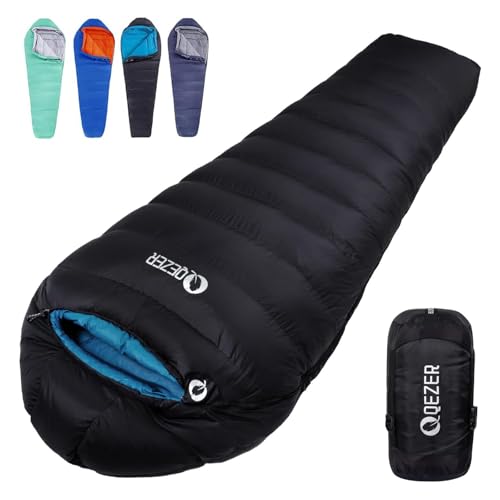
The QEZER bag is a mummy-style sleeping bag offering 600 fill power down, targeted at 54°F to 28°F warmth. It emphasizes compactness and portability for camping, hiking, and backpacking. The 600 fill power down provides good warmth for its weight class, and the mummy shape minimizes draft and heat loss. Best for travelers who want a straighter, performance-focused silhouette in cooler nights, with a more compact form factor than some wider designs.
Who it’s best for: Hikers and campers who prefer a compact mummy bag with solid warmth for 3-season use.
Why selected: Clear warmth range and a compact profile that suits lightweight travel and down-to-temperature efficiency.
Caution/limitation: The warmth rating is listed as 54–28°F; verify expected conditions to avoid undershooting in very low nights without extra layers.
Kelty Cosmic 20 Down Mummy Sleeping Bag

The Kelty Cosmic 20 mummies combine 550 fill power down with recycled fabrics and PFAS-free DWR. This model emphasizes sustainability as part of its design, with traceable down and a reputation for comfort around the campsite. It suits campers who want a reliable, ethically sourced sleeping bag with a conscience. It is a practical choice for those who value eco-friendly materials without sacrificing warmth or compressibility.
Who it’s best for: Eco-conscious backpackers seeking a dependable 20°F bag in a compact silhouette.
Why selected: Combines comfort, sustainability, and a strong brand reputation in the outdoor community.
Caution/limitation: The use of recycled fabrics might feel different in texture compared with non-recycled shells; check fabric feel if you have a preference for ultra-soft shells.
Naturehike Ultralight RDS Down Sleeping Bag

The Naturehike bag emphasizes ultralight construction with 650 fill power down and a compact footprint. It offers multiple size options with a 3-season use profile and a note on downs RDS certification. The design focuses on a cloud-like wrap and independent down channel construction to prevent down migration, improving warmth consistency. Best for travelers who place high value on ultralight packing and a snug, cloud-like feel.
Who it’s best for: Serious hikers and travelers who want one of the lightest options with strong insulation at a 3-season range.
Why selected: Excellent warmth-to-weight ratio and RDS-certified down for accountability in sourcing.
Caution/limitation: Size choices can affect overall packability; ensure you pick the right size for your frame to avoid excess bulk.
Buying Guide
What should I consider when choosing a small down sleeping bag?
Key factors include weight, compressibility, temperature rating, and shell material. Look for bags that compress to a small diameter, fit your torso length, and provide a comfort temperature suitable for your planned trips. If you expect damp nights, prioritize water-resistant outer fabrics and down that handles moisture well.
Which shape is best for compact travel?
A mummy bag reduces air gaps and maximizes warmth for its weight. A rectangular or semi-rectangular style can offer more space if you move a lot in your sleep, but may be bulkier. Consider a bag that can be paired with another bag for versatility if you travel with a partner.
What about sustainability and ethics?
Look for down that is responsibly sourced (RDS or similar certifications) and fabrics with PFAS-free DWR. Sustainable materials reduce environmental impact while still delivering performance on chilly nights.
How should I size a sleeping bag?
Choose a size that fits your height with minimal extra space. A poorly sized bag can waste warmth and packing space. If you are between sizes, larger options offer more comfort but may be bulkier to pack.
How important is the temperature rating?
Ratings provide guidance, but individual comfort varies. Consider your typical sleep temperature, layering options, and the expected environment. In shoulder seasons, a bag rated 20–40°F may still be comfortable with a fleece liner or liner socks.
FAQ
- What is the lightest small down sleeping bag among these? The ZOOOBELIVES Alplive T400 is among the lightest options listed, designed for ultralight backpacking and packability.
- Which bag is best for three-season travel? The Naturehike and ShinHye options provide flexible warmth for 3-season use and lighter packing strategies.
- Are these bags suitable for shared camping? Some bags, like the ZOOOBELIVES, can be used with a second bag to form a double sleeping bag, offering options for sharing in mild conditions.
- Do these bags use ethically sourced down? Several options advertise ethically sourced down (RDS or similar), such as the Kelty Cosmic line and Naturehike products, depending on model specifics.
- Which bag should I choose for damp or wet environments? Look for water-resistant shells and down that performs well when damp; ShinHye and Kelty models emphasize moisture management and durable shells.