Answering the search for compact, lightweight sleep options, these small light sleeping bags are ideal for hikers, campers, and travelers who value packability without sacrificing warmth. Each option listed suits different needs—solo travelers seeking warmth, ultra-light backpackers prioritizing weight, and travelers who want multipurpose gear. Below is a quick buying guide and a concise comparison of five suitable choices.
| Product | Weight | Temperature Range | Best For | Key Benefit |
|---|---|---|---|---|
| ECOOPRO Warm Weather Sleeping Bag | 1.7 lbs | 55–60 ℉ | Backpacking, solo campers | Compact, waterproof, durable |
| Ultralight Sleeping Bag (TANSTRIDER) | 1.5 lbs | 50–70 ℉ | Hikers seeking ultralight gear | Two-way zipper for modular use |
| ECOOPRO Portable Sleeping Bag | 1.7 lbs | 55–60 ℉ | Backpacking, travelers | Very compact and weatherproof |
| JAICOM Sleeping Bag Liner | 1.2 lbs | Summer use (varies with liner) | Hotel stays, hostels, travel light | Machine washable, quick-dry liner |
| Frelaxy Ultralight Sleeping Bag Liner | 196–310 g (varies by size) | General travel use | Travel sheets, hotel stays | Lighter, compact, breathable |
Notes: All items are described with the provided features. The table focuses on core factors like weight, temperature range, and primary use to help buyers compare quickly.
ECOOPRO Warm Weather Sleeping Bag
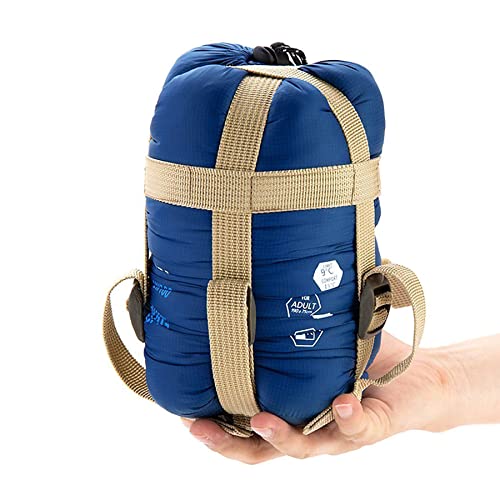
The ECOOPRO Warm Weather Sleeping Bag combines waterproof, durable outer nylon with a breathable polyester lining. It is designed to keep internal temperatures around 55–60 ℉, providing a comfortable night in mild conditions. The envelope design is easy to roll, and it compresses to about 11 inches high, weighing 1.7 pounds, making it suitable for backpacking trips with limited space.
Best for: Solo backpackers or campers who need a weatherproof, compact sleeping bag with a simple compression setup. This model is a solid choice for those who prioritize a reliable wet-weather shell and straightforward packing.
Caution: For colder nights, this bag may not provide enough warmth unless layered with additional insulation.
Ultralight Sleeping Bag (TANSTRIDER)

This ultralight design weighs about 1.5 pounds and measures 75 inches by 30 inches, targeting hikers who want minimal weight without sacrificing space. It handles a temperature range of roughly 50–70 ℉, with a nylon exterior and breathable lining. A notable feature is the 2-in-1 design, allowing two bags to connect for shared use or to open as a blanket.
Best for: Hikers who need a versatile, space-saving bag that can also function as a light blanket on warm nights. It suits travelers who frequently adjust sleeping arrangements to share space or vary sleeping configurations.
Caution: The 2-in-1 design may add complexity for users who prefer a single-purpose bag.
ECOOPRO Portable Sleeping Bag
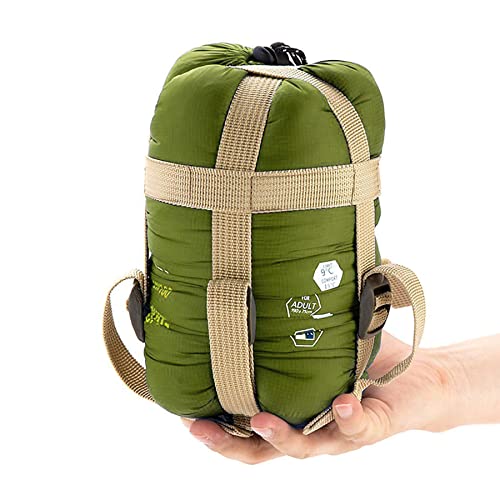
This ECOOPRO model emphasizes waterproof and weatherproof performance with a similar 83-inch by 30-inch footprint and a packing weight around 1.7 pounds. The design centers on user comfort with a breathable lining and a durable outer shell, optimized for camping, backpacking, and hiking. It compresses to a compact size for easy transport.
Best for: Campers who need a reliable, compact sleeping bag that remains comfortable in wet conditions and during longer treks. It’s a dependable choice for those who prioritize weather resistance and simple packing.
Caution: The bag is designed for mild to moderate conditions; extreme cold or long-term exposure to damp environments may require additional insulation.
JAICOM Sleeping Bag Liner

The JAICOM liner offers a compact, travel-friendly option at 86.6 x 35.4 inches with a light pack size, weighing about 1.2 pounds. Made from breathable, skin-friendly fibers, it’s machine washable and quick-drying. The liner includes a back pillow compartment for added hygiene and comfort and can fully open to create a larger sheet if needed.
Best for: Hotel stays, hostels, and travelers who want a hygienic, easily washable sleep surface without carrying a full sleeping bag. It’s also ideal for those who value quick-drying and compact storage.
Caution: Liner use alone provides limited warmth; pair with a sleeping bag for colder conditions.
Frelaxy Ultralight Sleeping Bag Liner
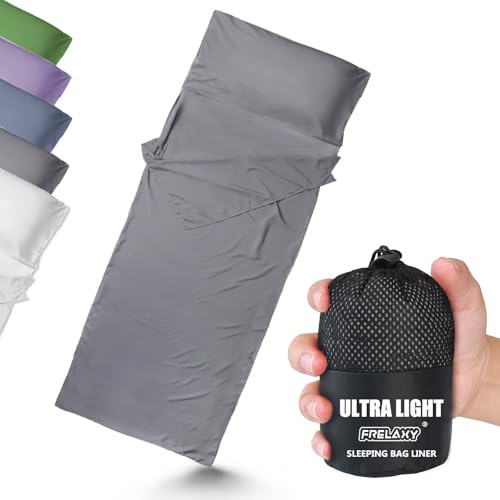
The Frelaxy ultralight liner emphasizes lighter weight and compactness, with variants around 196g, 257g, or 310g. It is designed to feel close to home with breathable, silky-soft fabric and an integrated pillow sleeve. This liner is quick-drying and machine washable, making it well-suited for frequent travelers and backpackers who prioritize simplicity and hygiene.
Best for: Travelers who want a lightweight, versatile liner that fits easily into any pack and dries quickly after wash. Choose this if you value a plush feel and straightforward care.
Caution: As a liner, it does not replace a full sleeping bag in cold weather and should be paired with proper insulation when needed.
Buying Guide: Key Considerations For Small Light Sleeping Bags
- Weight vs warmth: For backpackers, lighter gear reduces fatigue, but assess if a bag’s temperature rating meets your typical hiking conditions. Consider layering options for variable nights.
- Material durability: Nylon shells resist weather and abrasion, while breathable linings improve comfort. Look for durable zippers and reliable closure mechanisms to enhance usability.
- Size and packing: A compact envelope or compression sack saves space. Ensure the bag fits your torso length and shoulder width for comfortable sleep.
- Water resistance: For damp camping sites, waterproof shells or liners help prevent moisture buildup. Verify waterproof ratings if you expect rain or humidity.
- Versatility: 2-in-1 designs or sleeping bag liners add flexibility, enabling use as a blanket or a travel sheet in warmer months.
- Care and maintenance: Machine-washable liners simplify cleaning. Drying time and material care influence how often you’ll use the product on trips.
- Use case variety: If you travel to hotels, hostels, or campsites, liners may reduce the need for an additional sleeping bag. For solo trekking, a compact sleeping bag often provides better warmth-to-weight ratio.
FAQ
- What makes a sleeping bag “lightweight” for backpacking?
Weight is typically the defining factor. Look for bags under 2 pounds (about 0.9–1.8 kg) with compact packing to minimize load on long hikes.
- Are sleeping bag liners sufficient for warm-weather camping?
Liners can add comfort and hygiene in warm conditions, but they usually do not replace a full sleeping bag in cooler weather.
- Should I choose a 2-in-1 design or a traditional bag?
2-in-1 designs offer flexibility for variable temperatures and sharing space, while traditional bags are simpler and may be lighter without the extra features.
- What is the advantage of a waterproof outer shell?
A waterproof shell helps keep moisture out, which is beneficial in damp environments or sudden rain during camping.
- How important is size compatibility with my sleeping pad?
Ensuring the sleeping bag fits your sleeping pad dimensions helps prevent cold drafts and improves comfort.
- Can I machine-wash sleeping bag liners?
Yes, most liners are designed to be machine washable and quick-drying, which supports easy maintenance during trips.