Small solid fuel stoves deliver reliable, compact cooking options for campers, hikers, and emergency kits. This guide highlights five versatile models, showing who each is best for and why. The top picks cover ultralight pockets, emergency backups, wind-resistant designs, and durable folding builds to suit different travel styles and environments.
Summary table of selected products:
- 2 Pack Solid Fuel Stove Portable Compact Mini: Best for ultra-light travelers and quick warm-ups.
- Coghlan’s Emergency Stove: Best for backcountry backpackers seeking a simple, no-liquid option.
- Kuvik Micro Titanium Solid Fuel Stove: Best for ultralight enthusiasts and disaster kits.
- Odoland 3500W Windproof Stove: Best for windy conditions and versatile fuel compatibility.
- Solid Fuel Tablet Pocket Stove (ZYMJBB): Best for pocket-size redundancy and budget-conscious explorers.
2 Pack Solid Fuel Stove Portable Mini Foldable Stove

Features include a collapsible design with solid fuel for cooking, and a palm-sized, lightweight build ideal for travel, hiking, camping. Best for: ultra-light travelers who need a compact, easy-to-carry option for light meals or water heating. Caution: Ensure stable surface and proper ventilation when cooking in shelters or tents to prevent accidental fuel exposure.
Coghlan’s Emergency Stove

Features: lightweight, no liquids or wicks, includes 24 fuel tablets. Best for: backpackers and preppers who want a simple, reliable emergency cooking option without liquids. Caution: Fuel tablets require careful handling and ventilation; store away from heat sources and children.
Kuvik Micro Titanium Solid Fuel Stove

Features highlight ultralight titanium construction (about 0.5 oz), folds to 1.2” thick, supports solid fuel tablets, hexamine, trioxane, and wax pellets. Best for: ultralight hikers, bug-out bags, and survival kits needing a pack-size stove with durable fuel options. Caution: Titanium builds are strong but delicate heat-integration can be sensitive to wind and pot stability; use with appropriately sized cookware.
Odoland 3500W Windproof Camp Stove
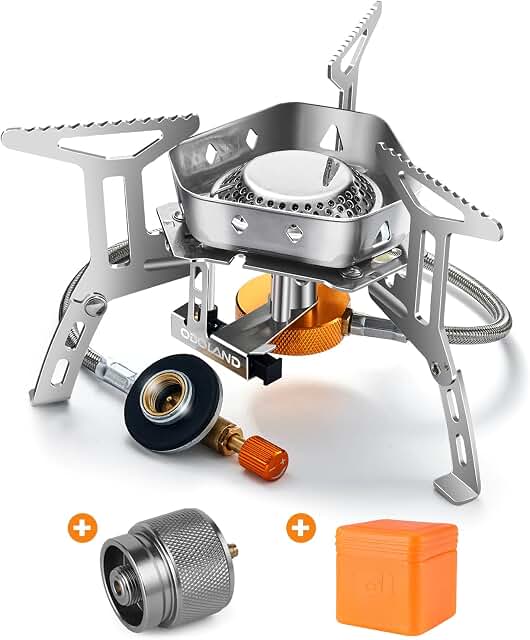
Features: windproof windshield, all-in-one alloy design with piezo ignition, two connector types for different gas canisters, power up to 3500W. Best for: those cooking in windy environments or needing quick, reliable heat with compatible canisters. Caution: Ensure fuel compatibility with the included connectors and confirm canister threading before use.
Solid Fuel Tablet Pocket Stove (ZYMJBB)

Features include ultra-compact folding design (about 98 x 75 x 20 mm), durable galvanized steel, strong load-bearing capacity around 7 kg. Best for: hikers and survivalists who want a pocket-sized, stable stove capable of handling basic pots. Caution: Small size requires careful handling with hot cookware and may limit larger pots or longer cooking tasks.
Buying Guide
What matters when choosing a small solid fuel stove?
- Weight and packability: If weight is your top priority, prioritize ultralight titanium or foldable designs.
- Fuel type compatibility: Consider whether solid tablets, hexamine, trioxane, or wax pellets are readily available in your area.
- Wind resistance and stability: Windshields and heavier bases help maintain efficiency in exposed sites.
- Durability vs. cost: Titanium options offer strength-to-weight advantages but may come at a higher price; galvanized steel provides durability at a budget-friendly level.
- Cookware compatibility: Check for load-bearing capacity and pot size that your backpacking kit can safely support.
What are common use cases for these stoves?
Backpacking and ultralight travel often favors pocket or mini stoves for boiling water and simple meals. Emergency kits benefit from simple, reliable designs that do not rely on liquids. Windy environments require windproof designs, while durability matters for long trips and mixed terrain.
Manufacturing and safety considerations
Follow product instructions for fuel handling and ventilation. Store fuels securely away from heat sources and children. Always use on level ground and keep a safe distance from tents and furnishings during operation.
How to compare products quickly?
Look at weight, fuel type compatibility, wind resistance, and load-bearing capacity. A table of these specs helps with side-by-side decisions and is especially useful when planning multi-day trips.
FAQ
- Q: Can these stoves be used indoors? A: Only in ventilated spaces; avoid enclosed areas to reduce risk of fumes and fire.
- Q: What fuel types are most common? A: Solid fuel tablets, hexamine, trioxane, and wax pellets are typical options.
- Q: Are these stoves suitable for large pots? A: Most pocket stoves support small to medium pots; always verify the load-bearing capacity.
- Q: How should I store solid fuel tablets? A: Store in a cool, dry place, away from direct sunlight and heat sources.
- Q: Which stove is best for emergencies? A: Coghlan’s Emergency Stove is designed for simple, reliable use without liquids.
- Q: Do titanium stoves really save weight? A: Yes, titanium construction provides high strength-to-weight ratios for lighter packs.