When choosing a small wood stove for camping, look for lightweight, durable construction, reliable heat output, and simple setup. These five options are among the best for backpackers, hikers, and campers who want to cook meals or boil water without relying on gas canisters. Each product below is suited to different camping styles, from ultralight treks to car camping with a backcountry cooking setup.
| Product | Best For | Key Benefit | Notes |
|---|---|---|---|
| GVUHR Portable Wood Burning Stove | Backpacking and ultralight trips | Compact cast-iron design with solid heat distribution | Disassembles for backpacking; small size 8.9″ x 8.9″ x 8.7″ |
| G4Free Camping Stove | Trail days and quick setups | Folds flat for pocket-friendly portability | Sturdy stainless steel; openings for wood; good ventilation |
| Hovico Lightweight Wood Stove | Rugged backpacking and multi-day hikes | Hardened stainless steel; unlimited fuel from natural sources | Durable and fuel-flexible; includes after-sales support |
| Kuvik Titanium Wood Stove | Ultralight backpacking | Very light titanium with collapse-to-0.2″ thickness | Includes carrying case; uses natural fuels |
| Ohuhu Camping Stove | Budget-friendly, general camping | Very light and easy to assemble; wide fuel compatibility | Stainless steel; includes detachable plate |
GVUHR Portable Wood Burning Stove
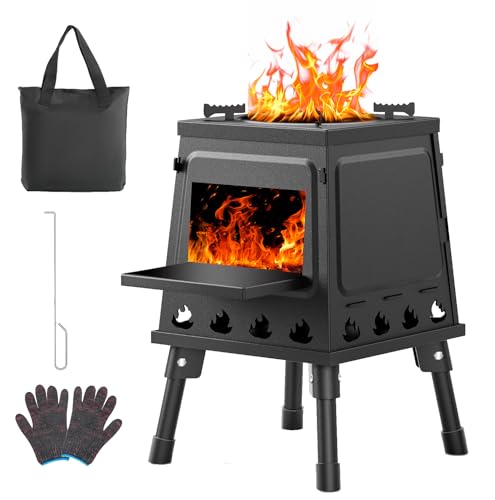
Best for ultralight backpackers who want a compact cast-iron stove that distributes heat evenly. The GVUHR stove is designed to be disassembled and carried in a matching backpack, making it suitable for multi-day trips where weight matters. Its four anti-slip top supports, windproof walls, and a large central combustion chamber optimize firepower. Caution: surface handling is hot during use; allow cooling before packing.
G4Free Camping Stove
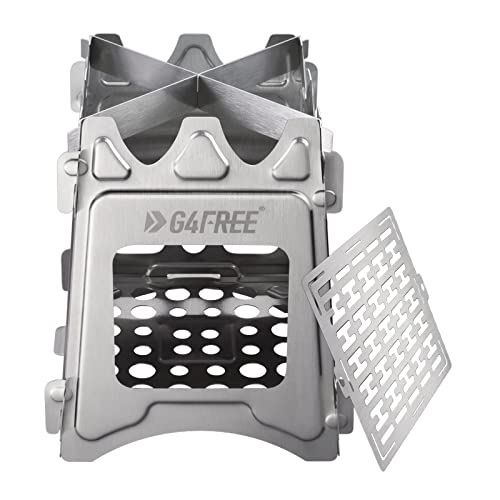
Better for hikers who value quick setup and a compact footprint. The G4Free stove folds flat in seconds and uses a stainless steel frame to provide stable support for pots. It features an opening for easy wood input and ventilation slots for efficient burning. Choose this if you want a super-packable stove that still delivers solid heat. Limitation: may require careful packing to avoid bending the foldable sections.
Hovico Lightweight Wood Stove

Best for rugged backpacking where fuel flexibility matters. Hovico’s stove uses hardened stainless steel and supports a limitless wood-fuel approach, enabling you to burn twigs, leaves, and branches found at the campsite. It’s designed for durability in challenging weather. A potential downside is the longer heat-up time when dry wood is scarce, compared to high-energy fuel sources.
Kuvik Titanium Wood Stove

Best for ultralight enthusiasts who want a stove that nearly vanishes in the pack. The Kuvik titanium stove collapses to a thickness of about 0.2 inches and weighs about 6.8 ounces. Setup is quick, and the stove can burn organic campsite materials. Limitation: titanium models can be pricier, and the minimalist design may limit pot compatibility for very large cookware.
Ohuhu Camping Stove
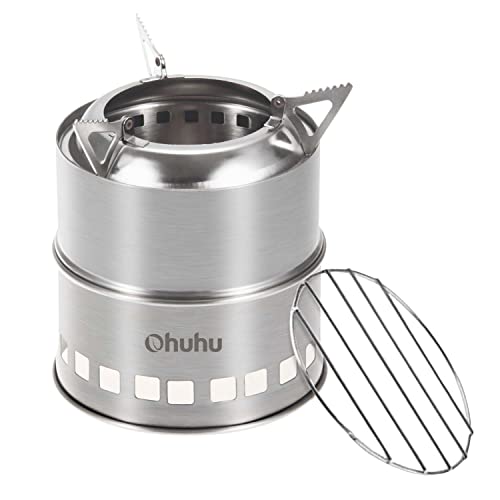
Best for budget-conscious campers who still want reliable performance. Ohuhu’s stainless steel stove weighs under 1 kg and assembles quickly with no tools. It supports various fuel types and includes a detachable stainless steel plate. Caution: some users may prefer a larger cooking area when cooking for groups, as the surface can feel compact for bigger pots.
Buying Guide
Key considerations when selecting a small camping wood stove include weight, fuel flexibility, durability, and packing efficiency. Ask these questions to compare options:
- Will you be backpacking or car camping? Ultralight options like Kuvik are ideal for packs, while Ohuhu serves broader purposes.
- What fuel sources will you rely on? Models that burn twigs, leaves, and branches save space but may require more gathering time.
- How much cooking space do you need? Larger pots benefit from stoves with higher heat output and stable supports, like GVUHR or Ohuhu.
- Is quick setup important? Folds-and-go designs like G4Free cater to fast assembling on the trail.
- Do you need durability in harsh conditions? Hardened stainless or titanium builds offer the best resistance to weather and impact.
Build, Weight, and Compatibility
Durability is influenced by material choices. Cast iron provides even heat but adds weight; stainless steel balances weight and stability; titanium offers ultralight strength but can be pricier. Consider pot sizes and cookware compatibility to avoid crowding on the cooking surface.
Fuel Strategy and Environmental Considerations
Wood-burning stoves reduce the need for gas, but fuel availability varies by location. If you hike in areas with limited dry wood, a stove that supports alternative fuels or has good air flow can improve efficiency and reduce wood gathering time. Always practice Leave No Trace and select locations that permit fires.
Setup and Maintenance
Look for modular designs that are easy to assemble and disassemble. Check for wind protection and ash management to maintain consistent flame. Carrying a small cleaning tool or brush helps maintain airflow and prolongs stove life in dusty environments.
Safety and Storage
Always place stoves on stable, nonflammable surfaces. Allow the device to cool before packing. Use protective gloves if handling hot components and keep fuel sources away from children and pets.
FAQ
- Q: Can I use these stoves for boiling water quickly? A: Yes, several models offer efficient burn design and wind protection to reach a rolling boil faster.
- Q: Are titanium stoves worth the extra cost? A: For ultralight backpackers, titanium saves weight and adds corrosion resistance, but price may be higher.
- Q: Do these stoves work with large pots? A: Some models have wider pot supports; check the stated dimensions and compatibility with your cookware.
- Q: How much fuel do I need for a typical meal? A: It depends on the stove and wood availability; plan for multiple small loads instead of one large load.
- Q: Are these safe for use inside tents or shelters? A: Most small stoves are designed for outdoor use; avoid confined spaces to reduce fire and smoke risk.
- Q: Do any come with wind shields? A: Several include windproof features or walls to improve efficiency in light to moderate winds.