When you need compact, ultra-light comfort for outdoor trips, these sleeping bags and accessories offer the best balance of warmth, weight, and packability. This guide highlights five options that are ideal for backpackers, hikers, and travelers who prioritize minimal bulk without sacrificing sleep quality. Each pick includes who it’s best for, what makes it stand out, and any notable trade-offs to consider.
| Product | Type | Best For | Why It Stands Out |
|---|---|---|---|
| ECOOPRO Warm Weather Sleeping Bag | Full sleeping bag | Backpackers needing waterproof, compact all-season use | Ultra-compact with compression sack; warmth retention 55–60℉ range |
| ECOOPRO Portable Sleeping Bag | Full sleeping bag | Travelers seeking rugged, lightweight protection | Waterproof, breathable lining; easy roll-up to 11″ height |
| Frelaxy Ultralight Sleeping Bag Liner | Liner / travel sheet | Light packers and hotel + hostel travelers | Very light, compact, quick-drying, with pillow sleeve |
| PTEROMY Sleeping Bags | Full sleeping bag | Three-season campers to 6–7 ft tall adults | Machine washable, water resistant, adjustable ventilation |
| Teton Trailhead 20 Degree Sleeping Bag | Full sleeping bag | Budget-conscious hikers needing reliable warmth | Lightweight, compact, good loft without excess bulk |
ECOOPRO Warm Weather Sleeping Bag
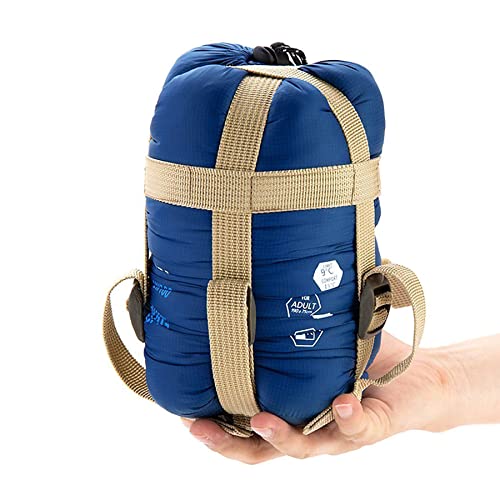
Best for: backpackers who want a compact, weatherproof sleeping bag that can handle light rain and variable temperatures. This bag is designed to stay dry and warm without adding bulk.
Why selected: It combines a waterproof nylon exterior with a breathable polyester lining and a generous 83″ length by 30″ width. The temperature range guidance targets late spring to cool summer nights, making it a versatile option for shoulder seasons. The included compression sack allows it to compress down to around 11″ and weighs roughly 1.7 pounds, which helps keep pack weight down.
Limitations: It targets a warmth range around 55–60℉, which may be insufficient for colder nights in higher elevations. The bulk may still be noticeable if you prefer ultralight ultracompact gear.
ECOOPRO Portable Sleeping Bag
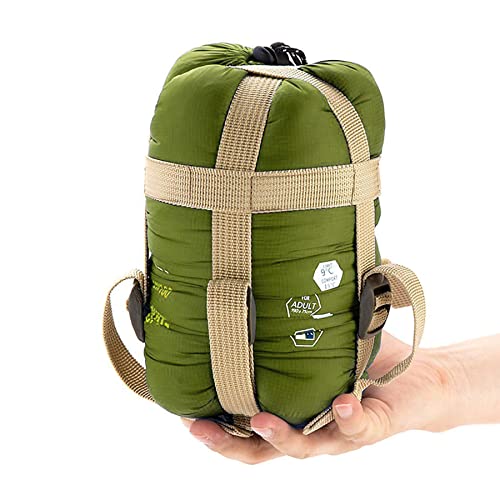
Best for: travelers and backpackers who need waterproof protection in a compact, lightweight form. This model prioritizes easy portability for on-the-go camping.
Why selected: Like the Warm Weather model, it uses a nylon outer and polyester lining with a pillow of warmth, but emphasizes a lighter roll-down ability and easy packing. The envelope design aids quick packing after a day on the trail. It remains suitable for late spring and summer camping where dew and light rain may occur.
Limitation: Temperature guidance remains around 55–60℉, so higher-altitude or cooler nights may require layering or a liner for extra warmth.
Frelaxy Ultralight Sleeping Bag Liner
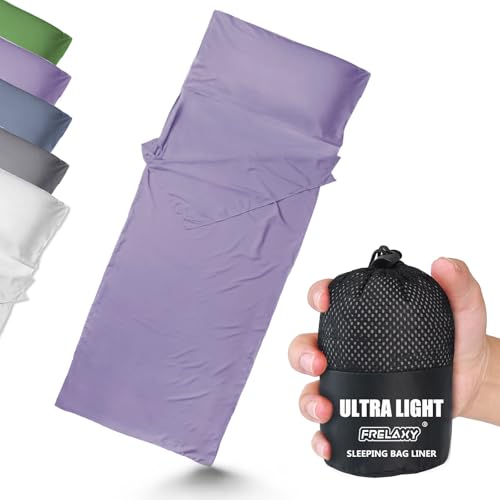
Best for: travelers who want extra cleanliness, warmth, and flexibility without adding bulk. This liner doubles as a stand-alone sleep sheet in warmer environments.
Why selected: It weighs very little (approximately 196–310 grams depending on size) and ships in a compact package. The fabric is breathable, quick-drying, and machine washable, which helps with hygienic sleeping in hostels or hotel rooms. The integrated pillow sleeve adds comfort for longer journeys.
Limitation: As a liner, it does not replace a full temperature-rated bag in cool nights or drafts; use it to boost comfort and hygiene rather than as the sole warmth source.
PTEROMY Sleeping Bags for Adults

Best for: campers who want a reliable, machine-washable option with strong durability for three-season activities and a comfortable size up to 6–7 feet tall.
Why selected: It provides a balanced blend of water resistance, warmth, and easy care. Hollowfiber insulation helps maintain loft after washing, and the inner lining offers softness against skin. An adjustable head/neck drawstring and a bottom zipper provide ventilation control for comfort on warmer nights or drier environments.
Limitation: While designed for three seasons, extremely cold nights in higher elevations may require additional insulation or layering for adequate warmth.
Teton Trailhead 20 Degree Sleeping Bag

Best for: hikers and backpackers seeking a lightweight, warm option for cool nights without excessive bulk.
Why selected: The Trailhead line emphasizes loft and compressibility with a focus on comfort in a compact form. Its design supports a roomy footbox and draft tube protection for better sleep through cooler nights. It includes a stuff sack to help streamline packing, which is essential on long trips where every ounce matters.
Limitation: The 20-degree rating means it is best used in cooler conditions with appropriate layering; in milder climates, it can feel over-insulated, adding unnecessary weight if temperatures stay warm.
Buying Guide: Key Considerations For The Smallest Lightest Sleeping Bags
How do you choose the right compact sleeping bag? Start by balancing warmth, weight, and packability for your typical trips. Consider the intended climate, altitude, and whether you’ll rely on a sleeping bag liner for extra warmth.
- Warmth rating vs. comfort: A warmer rating isn’t always heavier. Look for temperature guidance that matches your typical nights, plus the option to add a liner for flexibility.
- Weight and pack size: For backpacking, every ounce matters. Compare compressed dimensions and weight across models; some bags compress to very small heights, while others remain bulkier.
- Water resistance and durability: Waterproof or weatherproof exteriors help protect insulation and prolong life in damp or unpredictable weather.
- Liner compatibility: Liners can extend warmth and hygiene, especially in hostel or hotel nights. They offer flexibility when temperatures swing.
- Longevity and care: Machine washing is convenient for synthetic fillings; down-filled bags require different care and more attention to loft maintenance.
- Fit and height: Choose bags sized to accommodate your height with comfortable shoulder width. A bag that’s too short or tight leads to poor sleep quality.
- Versatility: If your trips blend hiking, camping, and hostel stays, consider a liner as a light appendage or a full bag with solid warmth.
Frequently Asked Questions
- What is the lightest sleeping bag for backpacking?
– The lightest options are typically compact sleeping bags and sleep liners designed for minimal weight, with weight often around 1–2 pounds for full bags and much lighter for liners. - Should I pick a 3-season or a summer bag?
– Choose 3-season for reliability across spring/fall and cool nights; summer bags are lighter and cooler but may underperform in chilly conditions. - Can a sleeping bag liner replace a regular bag?
– A liner can extend warmth and hygiene but usually does not replace a full bag in low temperatures; use it to add flexibility and reduce laundering frequency. - Are waterproof sleeping bags necessary?
– Waterproof exteriors help in wet conditions or damp environments, but most bags rely on synthetic fillings that dry faster and resist moisture even if the exterior isn’t fully waterproof. - How important is bag length?
– A bag should fit the user’s height with some extra room for movement; an overly long bag may add unnecessary bulk, while a too-short bag reduces comfort. - What is the best choice for minimalist backpackers?
– A compact sleeping bag with a separate liner can provide the highest flexibility, combining warmth, moisture protection, and reduced weight for travel-heavy itineraries.