Looking for sleeping bags ideal for hot to mild summer nights? This guide highlights summer-weight options that balance breathability, compactness, and weather resistance. Best for backpackers seeking low-weight gear, casual campers needing quick-dry comfort, or travelers entering varied nocturnal conditions. The top five picks are evaluated for warmth range, packing size, and weatherproof features to help you choose confidently.
| Product | Best For | Why It Stands Out |
|---|---|---|
| ECOOPRO Portable, Waterproof, Lightweight Sleeping Bag | Backpacking and hikers needing reliable weatherproofing | Waterproof outer shell and compact weight; fits most people; easy roll-up with compression sack |
| ECOOPRO Warm Weather Sleeping Bag | Casual campers and backpackers seeking a breathable option | Same waterproof design with breathable lining; compact for travel; suitable for 55–60°F environments |
| Naturehike Lightweight Compact Sleeping Bag | Travelers and ultralight backpackers | Ultralight and highly compact; roomy interior; good for varied summer nights |
| PTEROMY Sleeping Bags for Adults | All-season campers who want machine-washable versatility | Designed for 50–80°F comfort; machine washable; adjustable draft features |
| REDCAMP Ultra Lightweight Sleeping Bag | Lightweight backpackers and warm-weather campers | Very light with a two-way zipper for ventilation and easy pairing for doubles |
ECOOPRO Portable, Waterproof, Lightweight Sleeping Bag
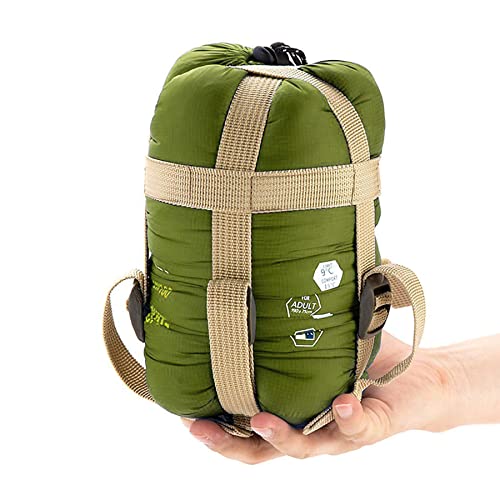
Best for: Backpackers needing weatherproof performance without extra weight. Why selected: Outer nylon is waterproof and durable; the lining is breathable, skin-friendly polyester, contributing to comfort in mild summers. It packs down to a compact size and weighs about 1.7 pounds, making it suitable for minimalist packs. Caution: As an envelope-style bag, it may not offer as much thermal retention in cooler nights compared with heavier insulation.
ECOOPRO Warm Weather Sleeping Bag
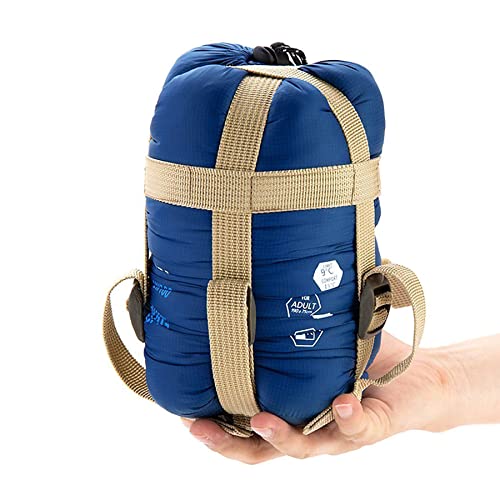
Best for: Campers who want a breathable, weatherproof bag for warm nights. Why selected: Similar construction to the other ECOOPROO model with waterproof, durable outer shell, and a 83″ x 30″ footprint for most adults. It compresses well for backpacking. Caution: Limited insulation makes it less ideal for nights dipping below 55°F.
Naturehike Lightweight Compact Sleeping Bag

Best for: Ultralight travelers who need compact packing. Why selected: Ultra-lightweight at about 1.68 lbs and a small pack size, yet roomy at 80.7″ x 33.5″. It uses imitation silk cotton fill for warmth without bulk. Caution: The lightweight fill provides less insulation in very cool nights; plan for mild summer use.
PTEROMY Sleeping Bags for Adults

Best for: Campers seeking machine washable versatility and reliable warmth. Why selected: 3-season comfort range (50–80°F) suits spring, summer, and fall. Features include a double S-shaped stitch and Hollowfiber filling that maintain warmth after washing. Caution: The shape is traditional and may feel snug for taller individuals; consider length vs. height before buying.
REDCAMP Ultra Lightweight Sleeping Bag
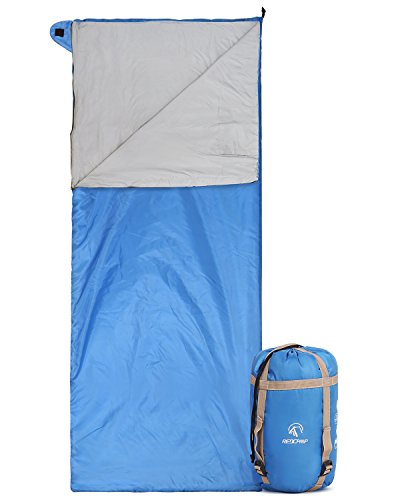
Best for: Budget-conscious hikers needing a compact, light option. Why selected: Ultralight at about 1.5 lbs with a 75″ x 32.5″ body size and a two-way zipper for versatility. Caution: Not ideal for very hot climates where airflow is critical; consider ventilation features for humid nights.
Buying Guide
What defines a summer-weight sleeping bag?
Summer-weight bags prioritize breathability, low bulk, and adequate warmth for typical warm nights. Look for synthetic insulation with moisture-wicking outer fabrics or sealed waterproof shells to handle dew or light rain. A bag that compresses well and stays lightweight is ideal for hikers and travelers.
How to compare insulation and shell materials?
Materials impact warmth, weight, and weather resistance. Nylon shells are durable and often waterproof, while polyester linings offer breathability. Synthetic fills retain warmth when damp and are easier to care for than down. Consider weatherproof features like waterproof coatings or laminated layers for wet conditions.
What packing tips maximize summer comfort?
Choose a bag that compresses to a small footprint. Pair with a compact compression sack and consider a travel pillow or liner for hygiene and comfort. If you expect variable temps, select a bag with draft protection or a hood to seal in warmth without adding bulk.
Who should choose these bags?
Backpackers prioritizing weight and pack space will benefit from ultralight designs. Casual campers and travelers value weatherproofing and ease of use. If you often camp in humidity or dewy environments, a waterproof exterior helps maintain dry warmth.
How to assess fit and size?
Most bags are designed for adults up to around 6 feet. Ensure the length accommodates your height, and check shoulder width for mobility. If you’re between sizes, a slightly larger model can improve sleep comfort but may add bulk.
Durability and care considerations
Synthetic-filled bags tolerate machine washing, while envelope-style designs favor quick drying and simple handling. Regularly dry bags completely to avoid mildew. Store uncompressed in a breathable sack to preserve loft over time.
FAQ
- What temperature range should I expect from summer-weight sleeping bags? Answer: Most are designed for 55–70°F nights, with some extending to 50–80°F depending on insulation and draft protection.
- Are waterproof sleeping bags worth it for summer use? Answer: Yes in wet climates or when dew and occasional rain are expected; waterproof shells help keep you dry and comfortable.
- Is it better to choose a compact bag or a bigger one? Answer: Choose a compact bag for lighter packs and travel, but ensure enough room to move and sleep comfortably.
- Can I wash synthetic sleeping bags at home? Answer: Yes, most synthetic bags are machine washable; follow manufacturer care instructions for best results.
- Should I consider a two-person bag for summer camping? Answer: If camping with a partner and space allows, a double bag can simplify sharing and ventilation, but note potential heat buildup.
- How should I store a sleeping bag when not in use? Answer: Store uncompressed in a breathable sack or loosely in a closet to preserve loft and extend life.