Looking for a reliable PFD with a built-in hydration system? This guide highlights top options that pair buoyancy with convenient hydration for stand‑up paddleboarding, kayaking, fishing, and boating. Each pick targets different needs, from streamlined designs for swimmers to belt packs ideal for all‑around water adventures. Below, you’ll find five options chosen for varied body types, activity styles, and portability.
Summary table of selected products:
| Product | Best For | Key Benefit |
|---|---|---|
| NRS Swig PFD Hydration Pack | All‑around water sports | Streamlined design with easy bladder access |
| Meenoutt Automatic Inflatable Belt Pack (Black) | Low‑profile comfort and unrestricted movement | Lightweight, breathable, easy on/off |
| Meenoutt Automatic Inflatable Belt Pack (Fluorescent Yellow) | High visibility safety on bright days | Bright color, flexible fit |
| BLUESTORM Cirro 16 Manual Inflatable Belt Pack (Nitro Red) | USCG‑approved protection with manual inflation | Compact, comfortable, reliable buoyancy |
| NRS Odyssey PFD (XL/XXL) | Custom fit for larger frames | Orbit Fit System with multiple pockets |
NRS Swig PFD Hydration Pack

The NRS Swig PFD integrates a hydration bladder with a streamlined design to reduce drag during swimming or upside‑down scenarios. It features a dual‑zip opening for quick bladder access and a sternum clip with adjustable sizing to fit different PFDs. Best for athletes who value low profile without sacrificing hydration access.
Who it’s best for: intermediate to advanced water sports enthusiasts who need quick access to fluids without bulky gear. Limitations: as with most beltable packs, ensure secure fastening when active to avoid shifting buoyancy.
Meenoutt Automatic Inflatable Belt Pack (Black)

This Meenoutt belt pack offers 110 Newtons of buoyancy with an adjustable belt for a customizable fit. It emphasizes a low‑profile design and breathable interior for comfort during prolonged wear. Best for paddlers seeking minimalist protection with reliable buoyancy on a budget. Limitations: does not include CO2 cylinder in the listing; activation details should be verified before use.
Meenoutt Automatic Inflatable Belt Pack (Fluorescent Yellow)

This bright‑colored variant shares the same 110 Newtons buoyancy and adjustable belt with breathable mesh interior. It’s a strong choice for visibility and mobility on sunny days. Best for: casual paddlers who want a visible, comfortable belt pack. Limitations: same CO2 cylinder detail as the black version should be confirmed prior to purchase.
BLUESTORM Cirro 16 Manual Inflatable Belt Pack (Nitro Red)

This USCG‑approved Type V PFD uses a manual inflation mechanism with a CO2 cylinder stored inside the belt pocket. It inflates quickly with a jerk cord and provides up to 16.5 pounds of buoyancy, with optional secondary oral inflation for up to 29 pounds. Best for paddlers who want a compact, high‑reliability option. Caution: relies on manual activation; ensure proper training before use.
NRS Odyssey PFD (XL/XXL)
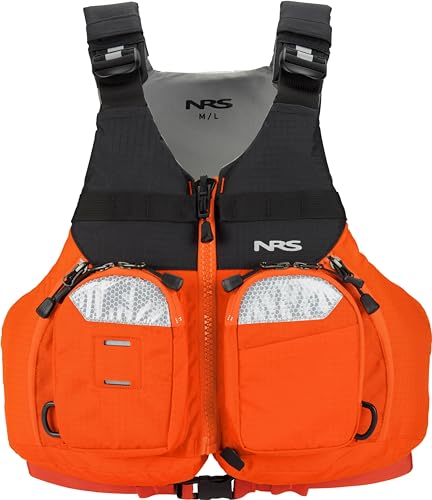
The Odyssey PFD features the Orbit Fit System, which layers lightweight foam into a pre‑curved shape for a flexible, comfortable fit. Graded sizing and multiple pockets deliver practical storage for radios, GPS, and essentials. Best for larger or differently shaped torsos seeking a tailored fit and extra storage. Limitation: heavier build may not suit ultra‑active swimmers seeking a ultra‑light option.
Buying Guide
What type of water activities require a PFD with hydration?
Hydration packs are particularly useful for stand‑up paddleboarding, kayaking, fishing, and long beach days where rehydration is essential. Consider whether you need a built‑in bladder or simply a PFD with accessible pockets for water bottles.
How important is fit and adjustability?
Fit systems like the Orbit Fit System or adjustable belts matter for comfort during extended wear. Look for models with adjustable shoulder straps, waist belts, and multiple sizes to accommodate different torso lengths and body types.
What buoyancy and inflation method should you choose?
Manual inflatable belts (Type V PFD) provide buoyancy after activation; automatic inflatable options offer quicker response in some scenarios. If you paddle in calm conditions, manual inflation may suffice. For fast‑moving water, consider auto‑inflation belts with easy activation.
Material, breathability, and durability considerations?
Lightweight fabrics with breathable mesh linings improve comfort in hot weather. Oxford fabrics resist tears, and inner mesh panels promote airflow. Consider how often you’ll wear the gear in summer versus shoulder seasons.
Storage and accessibility
Choose models with ample pockets and easy access to essentials. Dual‑entry pockets and zippered compartments improve accessibility for radios, phones, and small tools while paddling.
FAQ
- Do these PFDs include CO2 cylinders? Some models ship with CO2 cylinders stored inside their pockets; verify each product listing to confirm cylinder inclusion.
- Is a belt‑style PFD enough for rough waters? Belt packs provide buoyancy and mobility for calm to moderate conditions. For rougher waters, consider additional flotation or a full‑vest PFD with Secure attachment points.
- Can I wear these PFDs with a life jacket if I’m a beginner? Yes, many beginners can start with Type V belt packs or standard PFDs, but ensure proper fit and practice safe re‑entry techniques.
- How do I choose the right size? Look for sizing charts and adjustable belts. For larger frames, models like the NRS Odyssey address broader torsos with adjustable sizing.
- Are these PFDs suitable for kids? The listed options target adults; children require Child‑specific flotation devices with appropriate weight ratings.
- What maintenance is needed? Rinse with fresh water after exposure to salt or chlorine, dry completely, and inspect inflators and seams for wear before storage.